A Day Intramuros with Re-situ: Walking Paris, Understanding the City, Tasting What It Has to Say
Every visit begins with a walk.
Not a workout, not a race, simply a way of entering the city, letting it reveal itself gradually, detail after detail.
I never impose a rhythm. I adapt, I observe, I listen.
And Paris does the rest.
Walking Along the Seine: Understanding a City That Was Once a River
We often start by the water.
The Seine is an open book, and I show the traces of what it has done to Paris, especially the Great Flood of 1910, when the quays vanished under a meter of water and residents moved around the 7th arrondissement by boat.
I point out the high‑water marks carved into stone, the arches of the bridges, the raised embankments.
Nothing here is decorative.
Everything is memory.
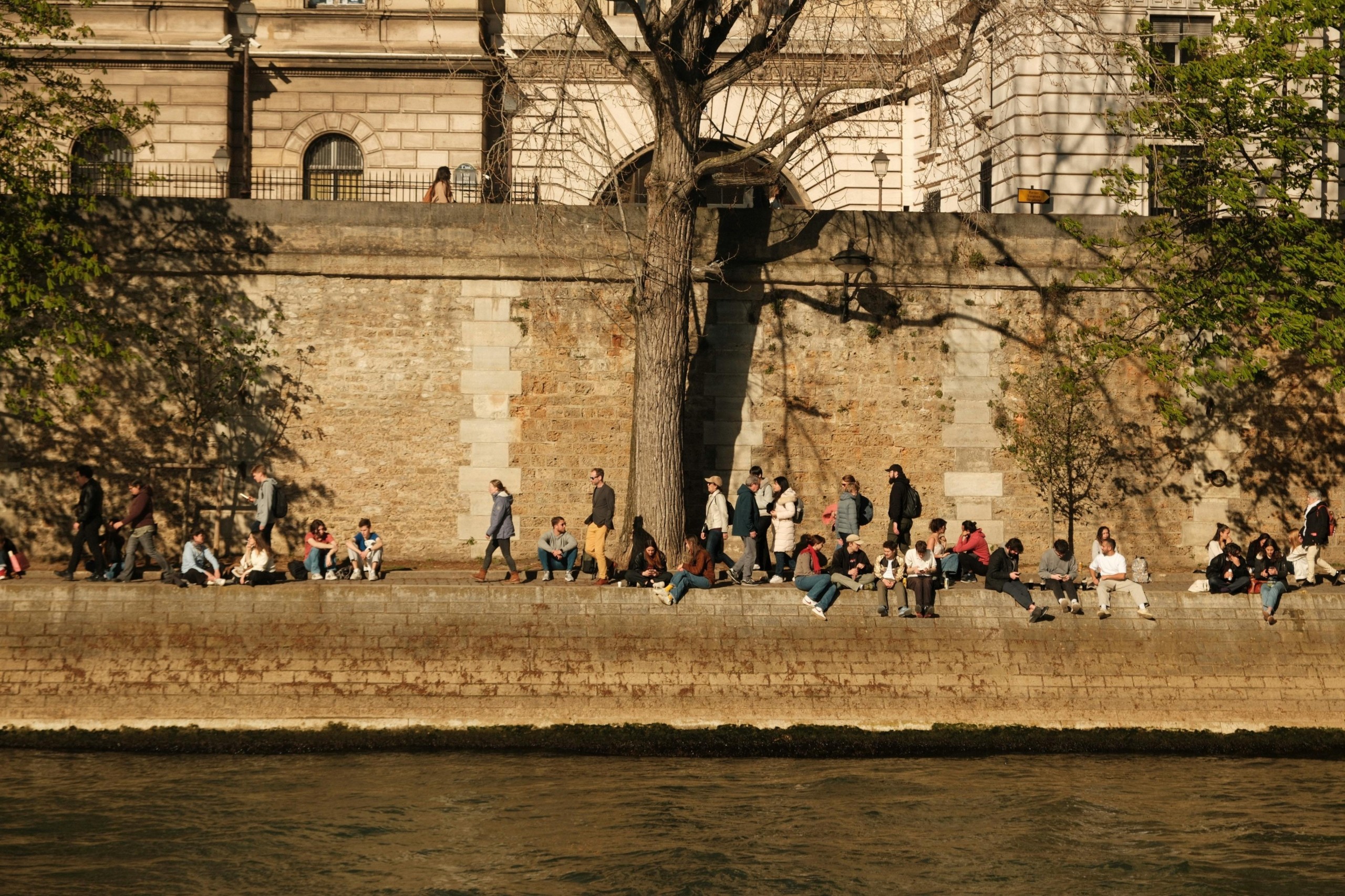
Crossing a Bridge: Walking Over Islands That No Longer Exist
Every bridge is a passage into a vanished Paris.
Crossing the Pont Neuf or the Pont Royal, I tell the story of the lost islands: Île Louviers, Île Maquerelle, Île aux Treilles…
Fragments of land swallowed by 17th‑century engineering, then reshaped again under Haussmann.
I show how the Seine was straightened, how islands were merged, attached, or filled in and how their outlines still survive in the geometry of the riverbanks.
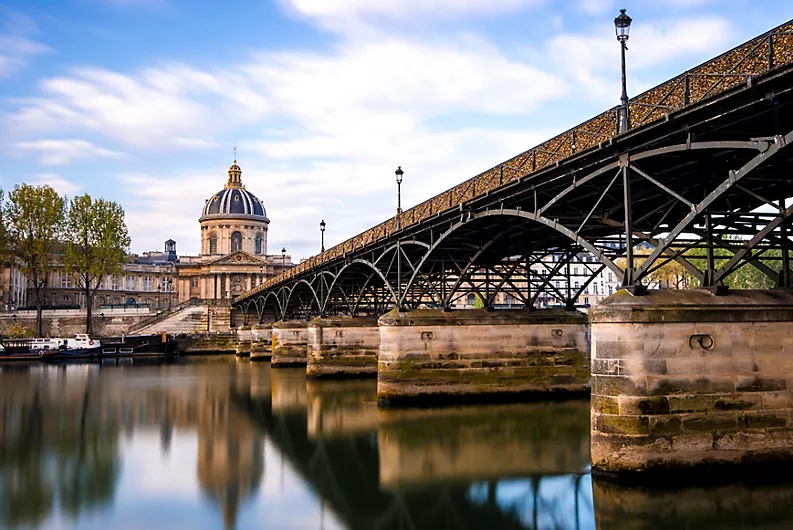
Left Bank: Walking on a Hollow Paris
On the Left Bank, I talk about what you cannot see:
the quarries, the voids, the galleries, the layers of limestone and gypsum that shaped the city.
Paris rests on a fragile underlayer, and that explains a lot: collapses, catacombs, gently undulating streets.
Walking here means walking above an underground Paris.
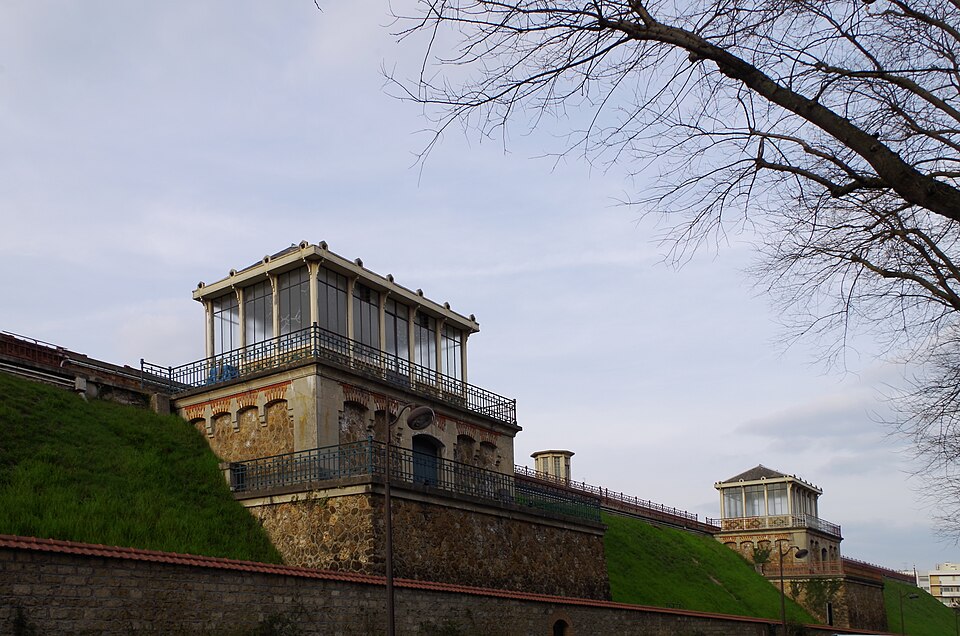
Lunch: A Dish, a Presentation, a Story
Lunch is never a break from the visit, it’s another way of reading the city.
I choose places where the cooking is precise, where the presentation tells as much as the flavor, where each plate reflects something about contemporary Paris.
We talk about what we’ve seen and what we’re about to see, and often the dish becomes a pretext:
a sauce that evokes a region, a minimalist plate that recalls an architectural gesture, a dessert that carries a French tradition.
A simple moment, but always meaningful.
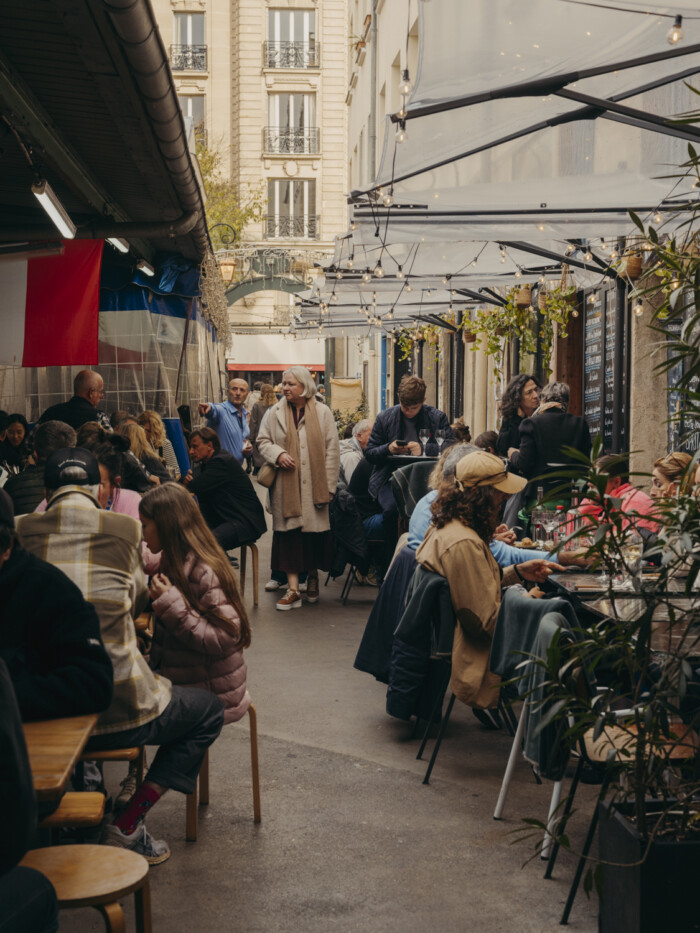
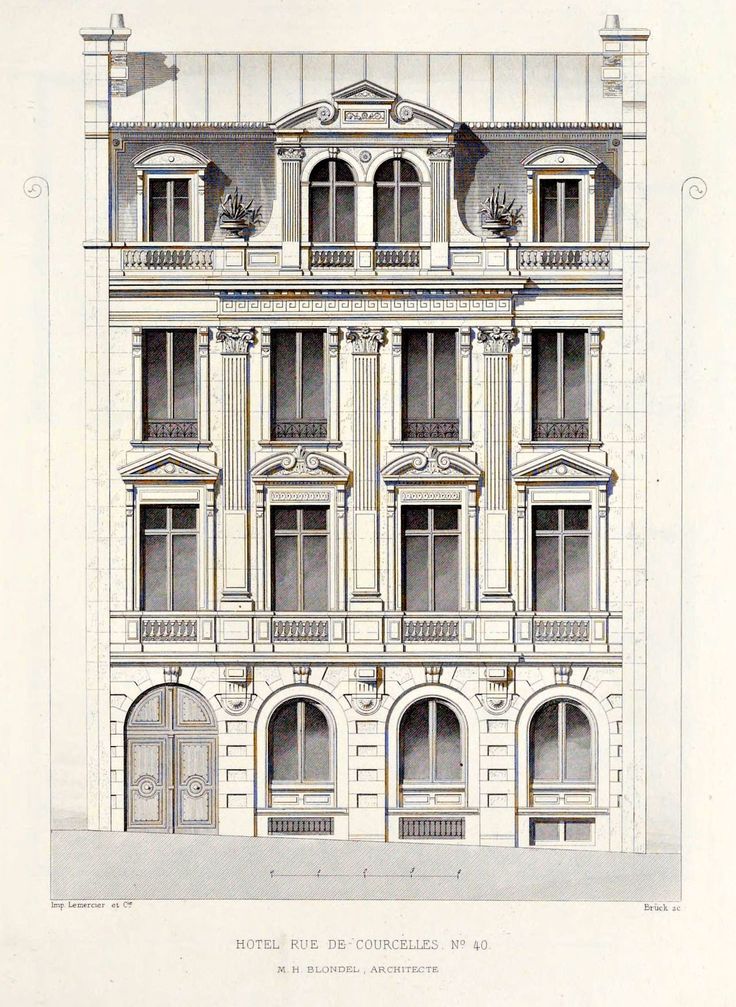
Haussmann: Reading the City Like a Blueprint
In the afternoon, we walk through the grand boulevards.
I show how Haussmann imposed a grammar on Paris:
- regulated building heights
- strict alignments
- stone façades
- continuous balconies
- zinc rooftops
I also point out the exceptions, the resistances, the buildings that survived the great urban cuts.
And behind every boulevard — the projects that never happened. A parallel Paris, drawn and quietly abandoned.
Paris is not a frozen backdrop, it is a constant negotiation between rules and reality.
A Museum, a Square, a Detail
Every visit is different.
Sometimes we step into a museum, sometimes we stay outside.
Sometimes I talk about the construction of the Louvre, sometimes about the history of a bridge, sometimes about the birth of a neighborhood.
Sometimes we stop in front of a façade and I show how it summarizes an entire century.
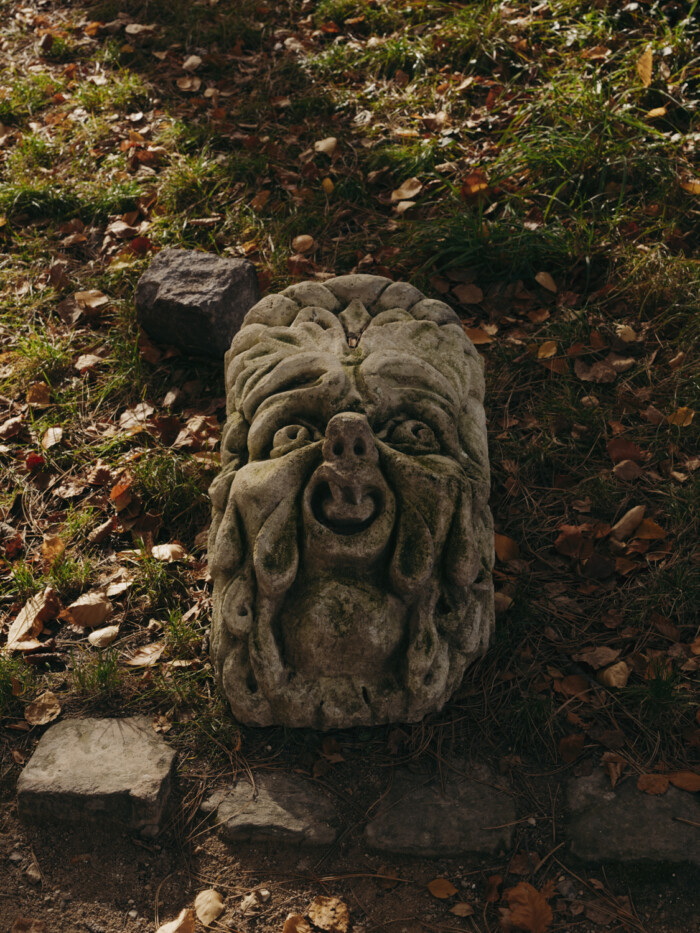
A church portal, a convent wall, a forgotten bell tower – each one marks the edge of a parish that predates the arrondissements themselves.
Back to the Seine: Closing the Loop
The day often ends where it began: by the river.
Because the Seine is the best summary of Paris.
Because it tells everything — the islands, the bridges, the floods, the transformations.
Even its most recent transformation. When the river became, for a few weeks in 2024, the stage for the Olympic Games.
Because it is the city’s guiding thread.
What This Day Really Reveals
A visit with Bespoke Paris by Re-situ is not a fixed itinerary.
It is a way of reading Paris, of connecting places, of understanding what hides behind façades, beneath the pavement, within the alignments.
A simple day.
A precise day.
A living day.
A day when Paris becomes legible.