Paris, a Revolutionary City : From 1789 to the Commune, and the Echoes of 1968
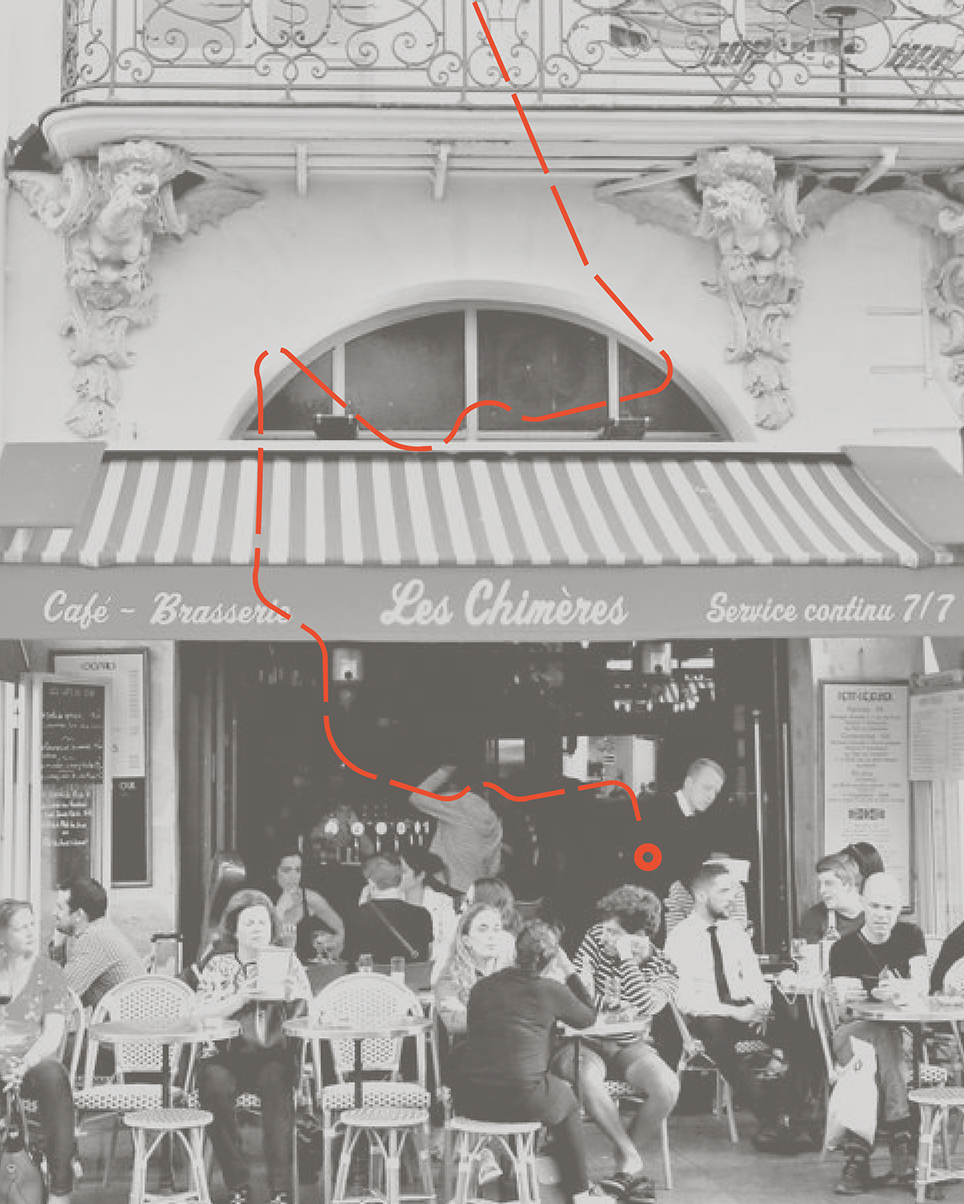
Paris has not only witnessed the great upheavals of French history ; it has been shaped by them.
Its streets, squares, and working‑class districts still bear the marks of the revolutions and uprisings that unfolded between 1789 and 1871, and even the social movements of the 20th century, with May 1968 standing as the most striking example.
To explore Paris through this lens is to understand how the city grew through conflict, reinvention, and the constant negotiation between power and the people.
1789 : The Revolution Begins in the Streets
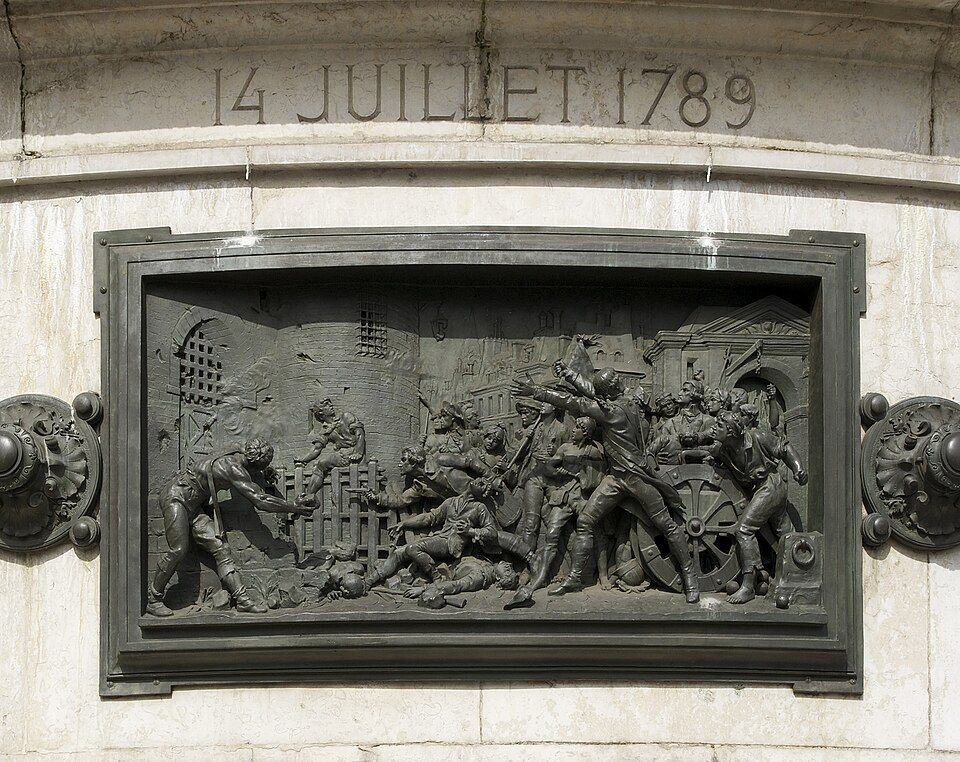
The French Revolution did not emerge from political salons but from the dense, working‑class neighborhoods of Paris.
Key sites still visible today
- Place de la Bastille : the fortress is gone, but its outline remains embedded in the pavement.
- Faubourg Saint‑Antoine : a traditional stronghold of artisans and cabinetmakers, always quick to mobilize.
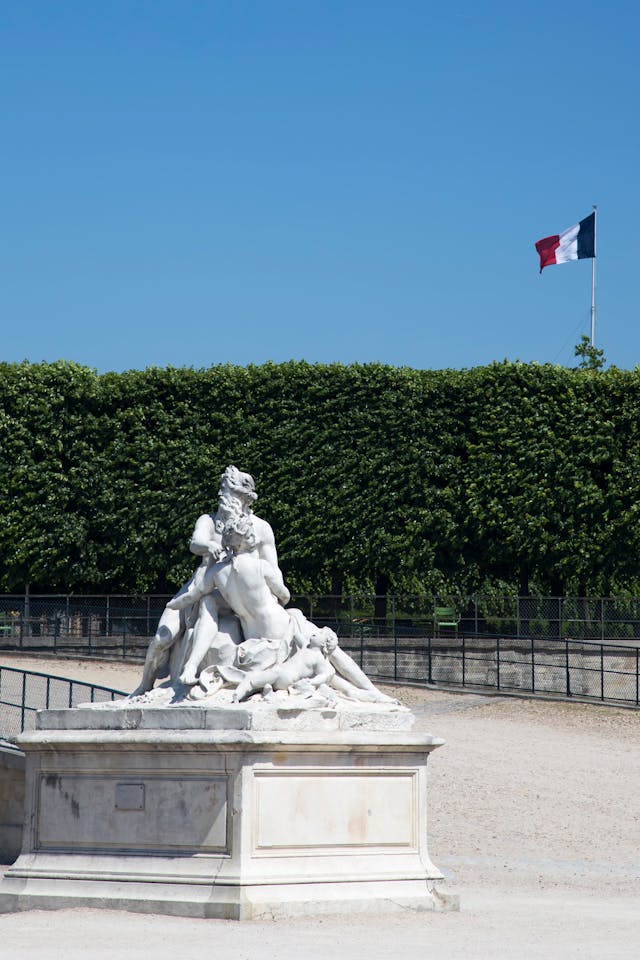
- The Tuileries : the palace where the monarchy fell on 10 August 1792.
Anecdote:
Stones from the demolished Bastille were used to build the Pont de la Concorde.
Crossing the bridge today means walking on the literal remains of the Ancien Régime.
1830 and 1848 : Paris, Capital of the Barricades
Between 1789 and 1871, Paris experienced five revolutions.
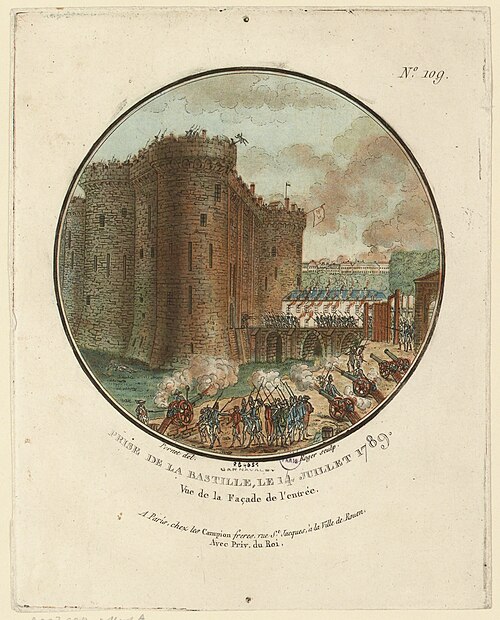
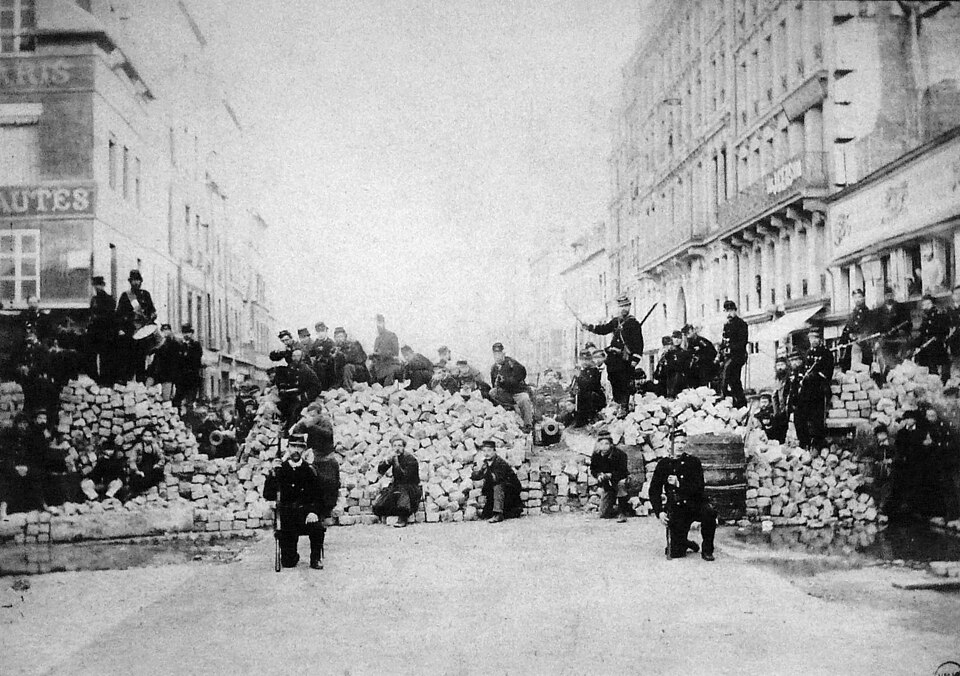
The uprisings of 1830 and 1848 were defined by the spectacular rise of barricades.
Neighborhoods that still carry the memory
- The Marais and the Temple district : narrow medieval streets ideal for barricades.
- Faubourg Saint‑Antoine : once again at the forefront.
- The Latin Quarter : students and workers fighting side by side.
Anecdote :
Some barricades in 1848 reached six meters high, built from paving stones, carts, furniture, even overturned pianos.
Haussmann : Rebuilding Paris to Prevent Revolutions
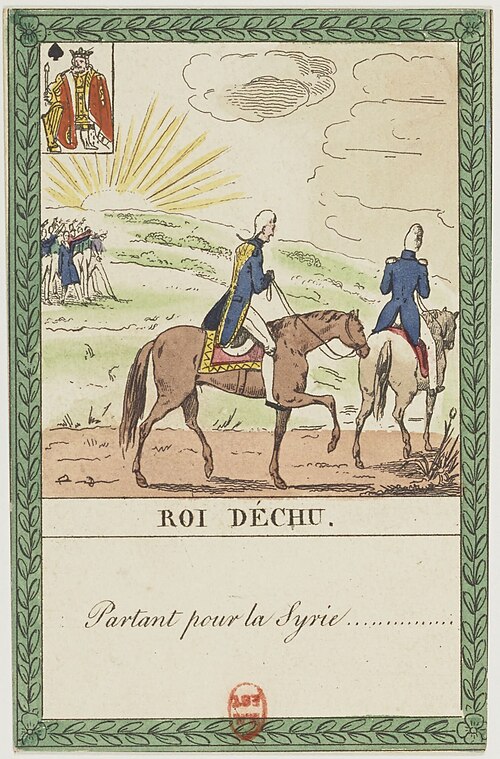
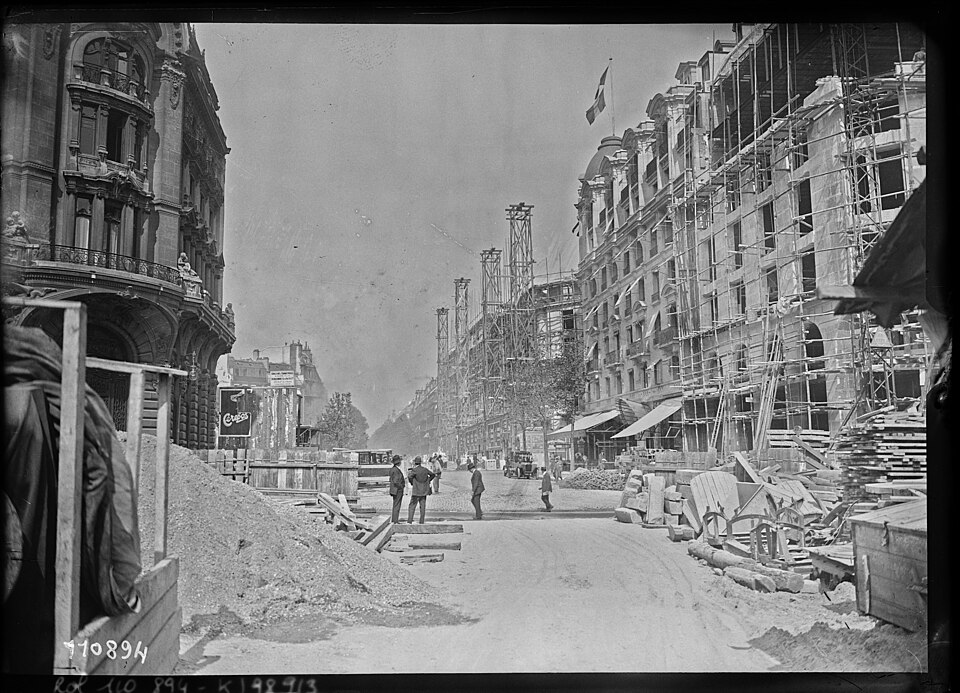
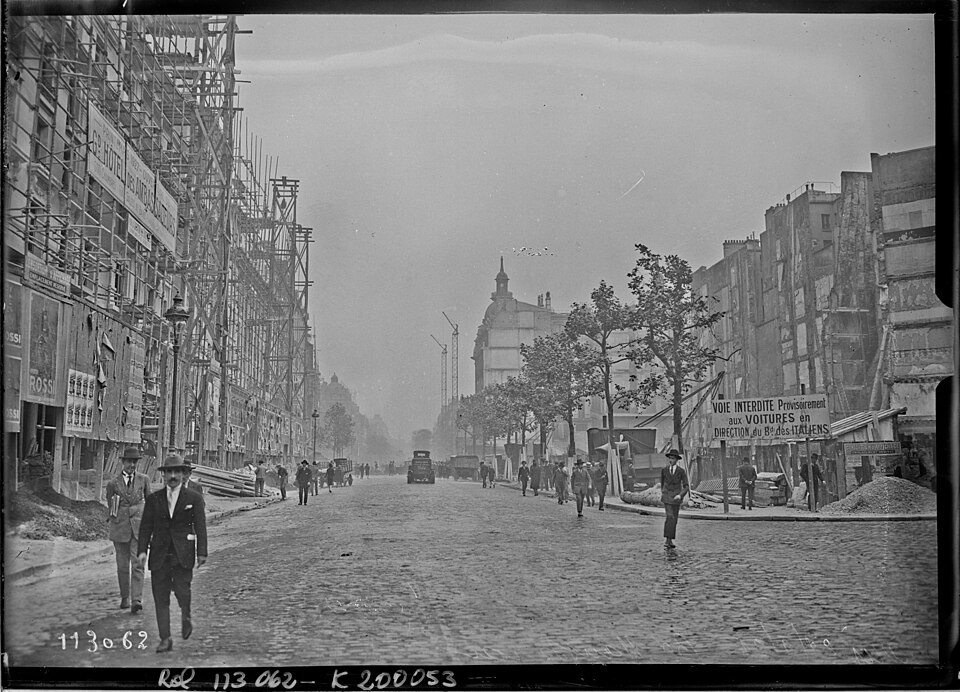
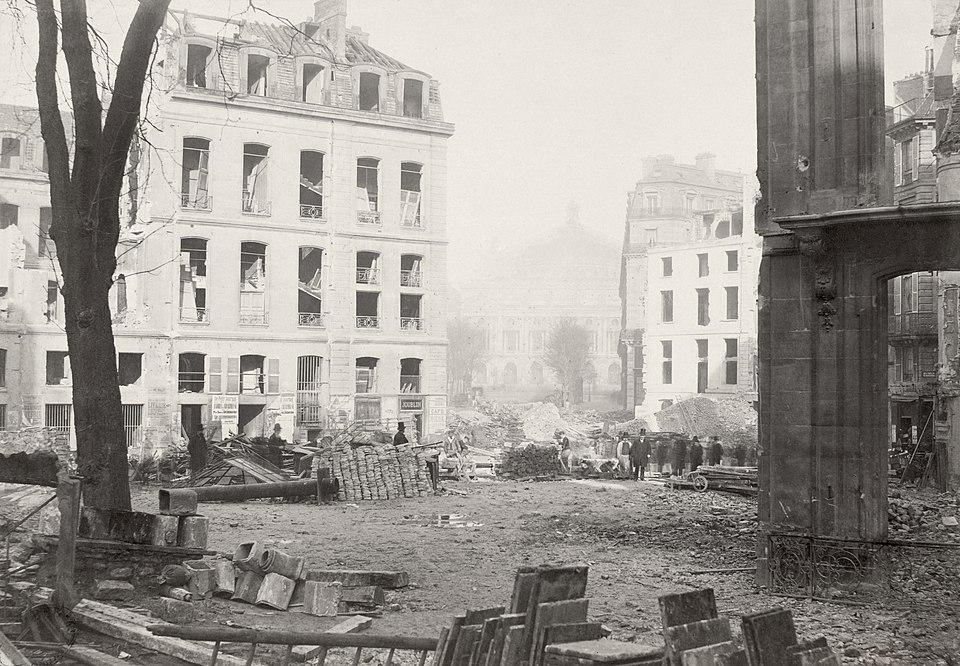
After 1848, Napoleon III and Baron Haussmann undertook a radical transformation of Paris.
The goal was not only hygienic or aesthetic — it was political.
Why the grand boulevards?
- to allow rapid troop movement,
- to prevent barricades,
- to create wide, controllable perspectives.
Visible traces today
- The straight axes of Rivoli, Sébastopol, and Magenta.
- The connections between major train stations and the city center.
- The disappearance of entire districts deemed “insalubrious” — but above all, too rebellious.
Anecdote :
The creation of Boulevard Saint‑Germain erased much of the old revolutionary Temple district, considered too difficult for authorities to control.
1871 : The Commune, the Last Parisian Revolution
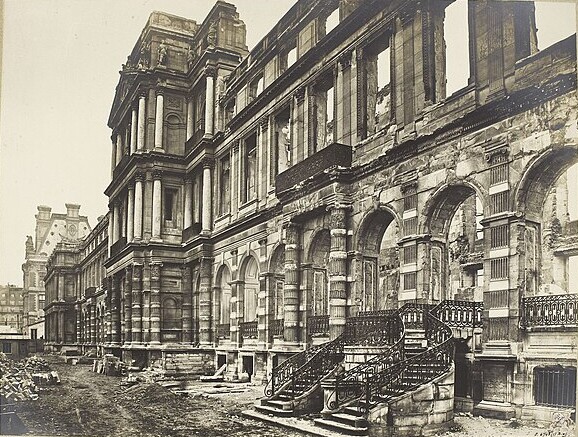
The Paris Commune remains one of the most dramatic — and visible — episodes in the city’s history.
Sites still marked by the events
- Hôtel de Ville : burned down, then rebuilt identically.
- The Tuileries Palace : destroyed and never rebuilt, leaving the vast open space between the Louvre and Concorde.
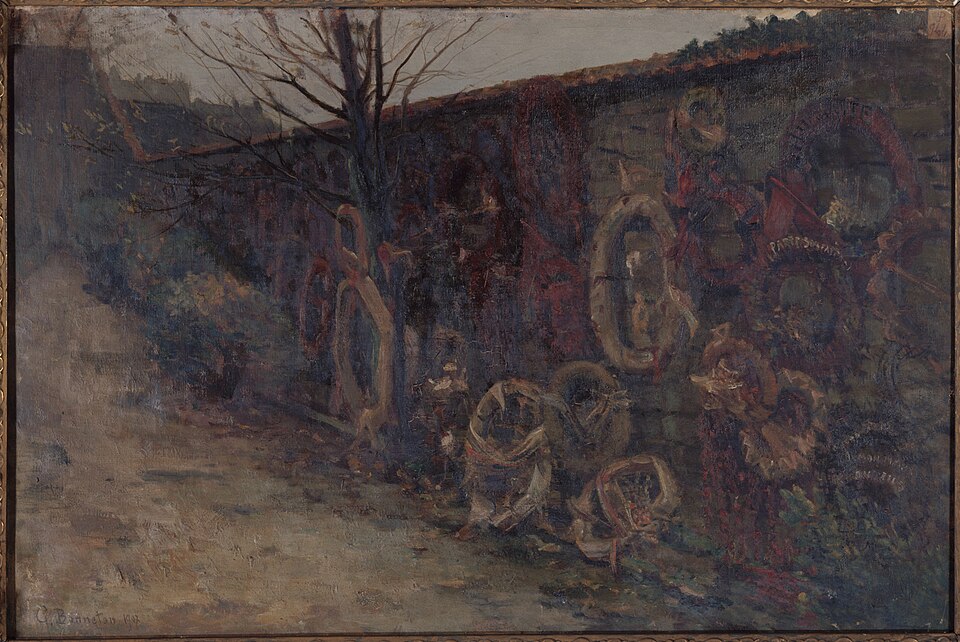
- Père‑Lachaise : the Communards’ Wall, where the last fighters were executed.
- Montmartre : where the uprising began on 18 March 1871.
Working‑class districts at the heart of the movement
- Belleville
- Ménilmontant
- La Villette
- Faubourg du Temple
These neighborhoods still retain a strong activist and associative identity.
Anecdote :
The Sacré‑Cœur, built after 1870, is often interpreted as a moral and political response to the Commune.
Its location on Montmartre, the birthplace of the uprising, is no coincidence.
1968 : Not a Revolution, but a Turning Point in Modern Paris
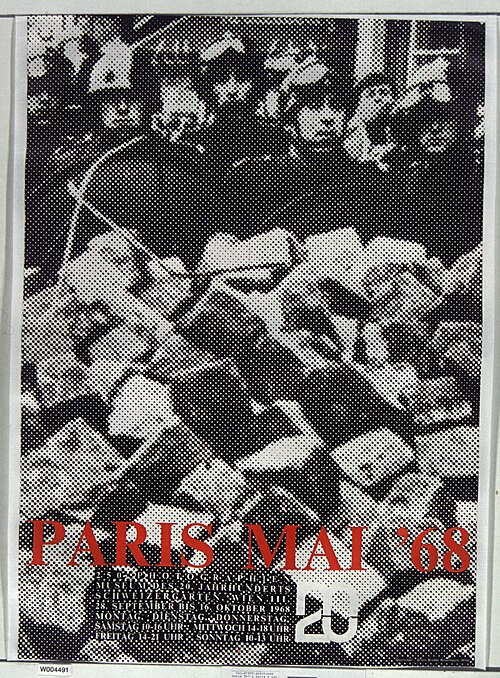
May 1968 was not a revolution in the classical sense, but it was a profound rupture in post‑war France.
Its epicenter was Paris, particularly the Latin Quarter, where students, intellectuals, and workers converged in a movement that reshaped the country’s cultural and political landscape.
Landmarks of May 68
- Boulevard Saint‑Michel : the site of repeated clashes between students and police.
- Rue Gay‑Lussac : the “Night of the Barricades” on 10 May.
- Place de la Sorbonne : symbolic heart of the movement.
- Odéon Theatre : occupied for weeks by students and artists.
Traces still visible today
- Commemorative plaques in the 5th arrondissement.
- The Latin Quarter’s narrow streets, whose topography shaped the confrontations.
- A political culture that remains deeply rooted in student life.
Anecdote :
The slogan “Sous les pavés, la plage !” (“Beneath the cobblestones, the beach!”) emerged when students tore up paving stones — revealing the sand underneath.
A metaphor that became a global symbol of 1960s counterculture.
How Revolutions Shaped Today’s Paris
Working‑class districts remain centers of activism
Belleville, Ménilmontant, and the eastern faubourgs retain a strong tradition of political engagement.
The grand boulevards are political scars
Their width and straightness were designed to prevent uprisings — and still reflect that intention.
Urban “voids” tell stories of destruction
- The vanished Tuileries
- Former convents
- Haussmann’s erased neighborhoods
Memory sites structure the modern city
- The Communards’ Wall
- Place de la République
- Place de la Bastille
- The Latin Quarter and its May 68 plaques
Did You Know ? The Hidden Traces of the Commune and May 68
- Bullet impacts from 1871 remain visible on columns at Père‑Lachaise and on parts of the Panthéon.
- Several metro stations reference the Commune : Louise Michel, Couronnes, Pyrénées.
- During May 68, students used courtyards, passages, and back alleys of the Latin Quarter to evade police.
- The paving stones torn up in 1968 were the same Haussmann‑era stones originally designed to prevent barricades — a historical irony.
Paris, a City That Must Be Read Through Its Revolutions
Paris is not only the birthplace of the French Revolution — it is a city shaped by uprisings.
Its streets, squares, and neighborhoods still carry the marks of these defining moments.
To understand Paris is to understand its revolutions, and the way they sculpted its urban form.
For those who want to go beyond the symbols — to read the visible and invisible traces, to understand how each district was transformed by two centuries of upheaval — I offer guided explorations that reveal Paris through a deeper, more informed lens.
With a precise, accessible, and historically grounded approach, I help you see the city as it truly is : layered, complex, and alive with memory.
When you’re ready to discover Paris as a revolutionary city, I’ll be delighted to guide you.