Paris, City of Light… and City Underground
Paris is famous for its boulevards, its Haussmann façades, its museums, its bridges.
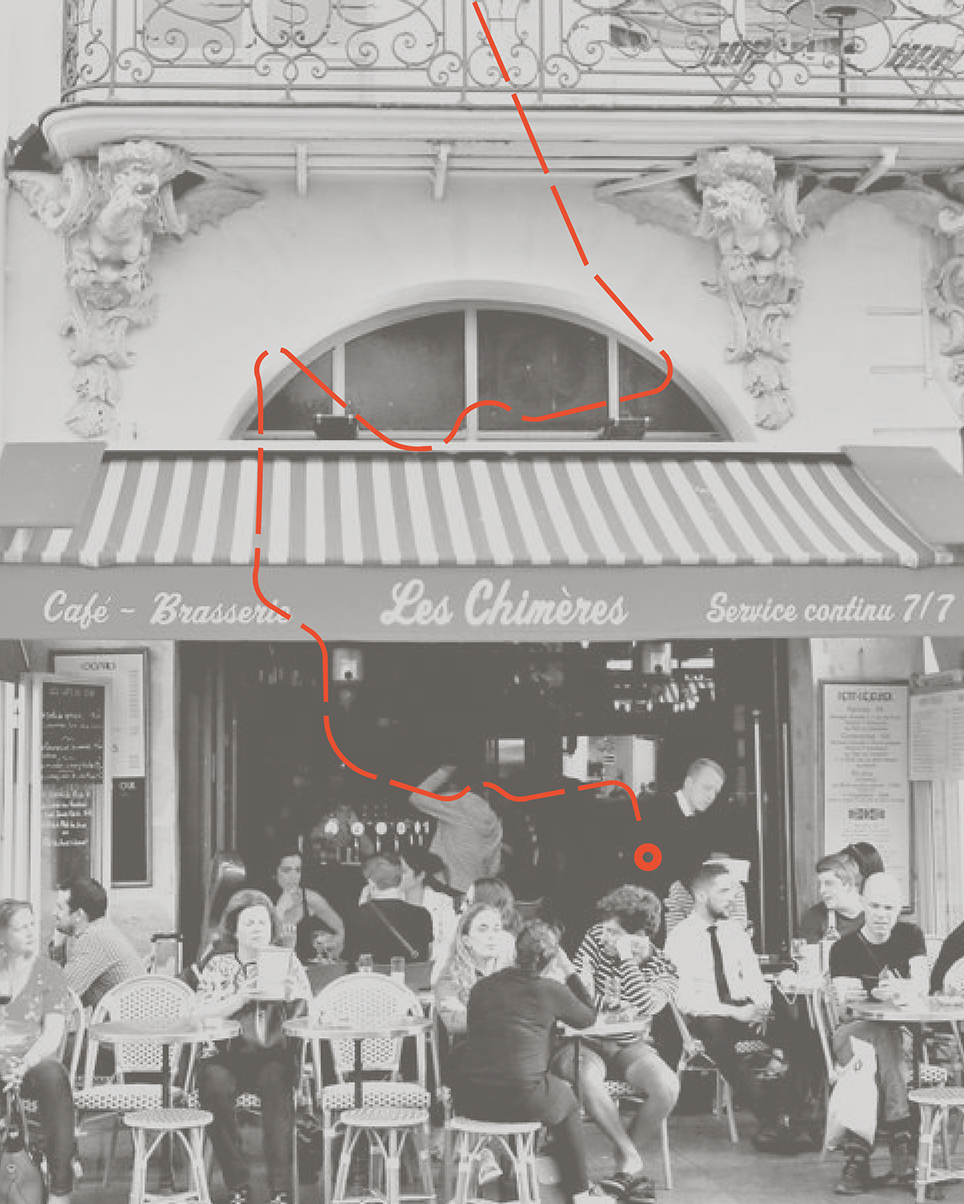
But beneath this luminous city stretches another Paris , invisible, silent, sprawling :
a network of galleries, quarries, voids, and underground chambers that has shaped the capital for nearly seventeen centuries.
A parallel world.
A fragile world.
A world long ignored , until the day it had to be understood in order to save the city.
A city built on its own stone
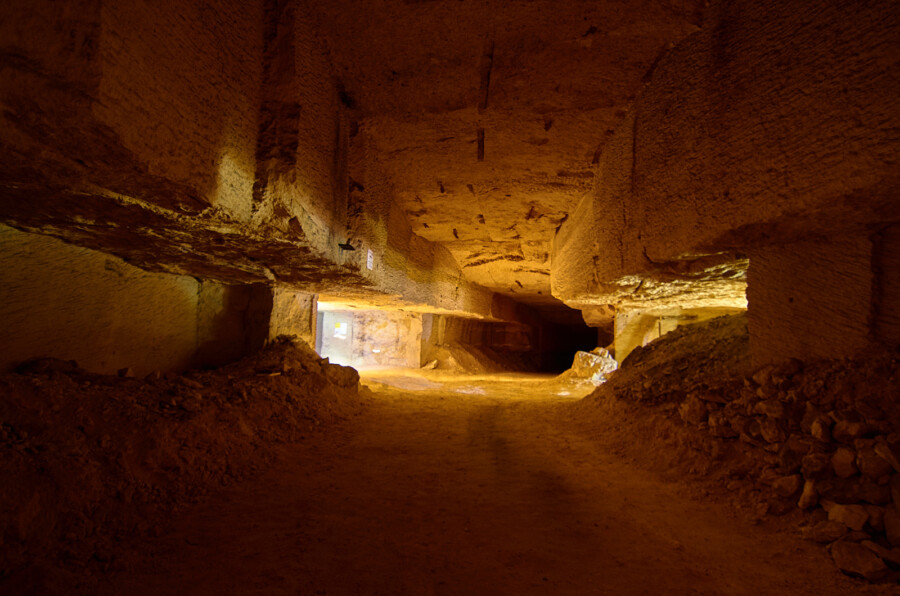
From Antiquity onward, and especially during the Middle Ages, Parisians extracted from the subsoil a limestone of exceptional quality :
the building stone that would give rise to Notre‑Dame, the Louvre, the Sorbonne, bridges, and countless townhouses.
For centuries, the digging continued unchecked.
The result : hundreds of kilometers of galleries, mainly beneath the Left Bank, sometimes only a few meters below the streets.
This underground heritage , today known as the ancient quarries of Paris , is both a resource and a risk.
1774 : when Paris discovers its own fragility
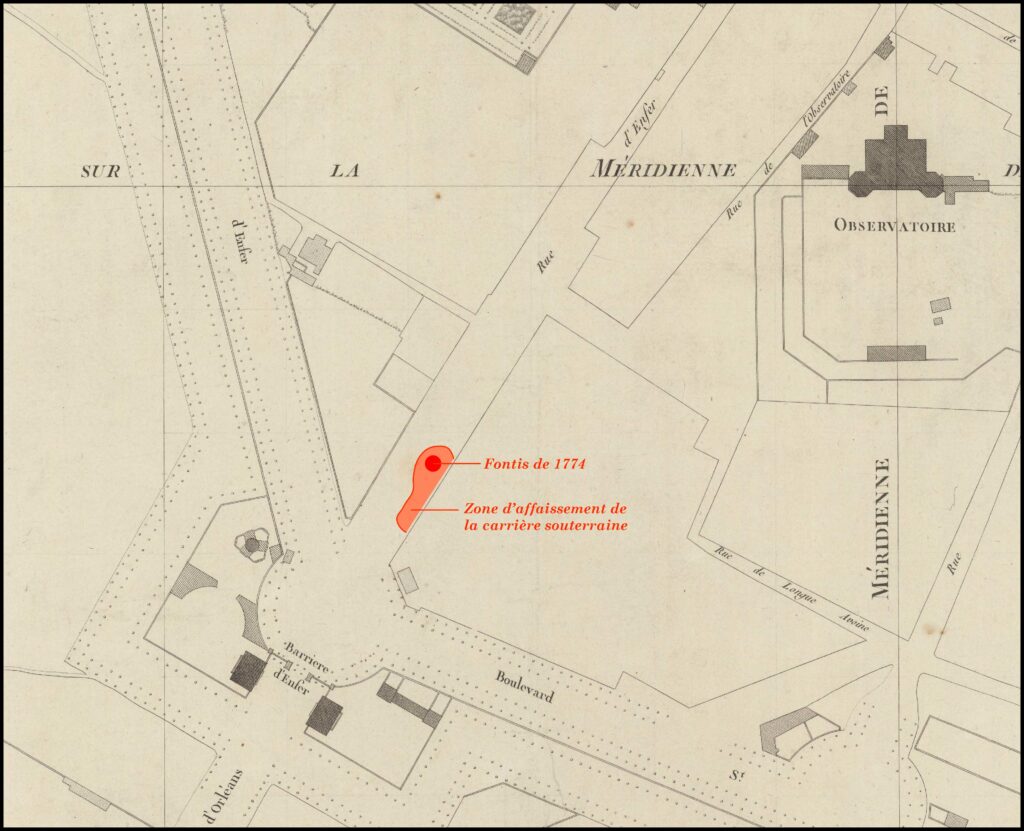
On 17 December 1774, disaster struck.
Rue d’Enfer , now boulevard Saint‑Michel , suddenly collapsed over several dozen meters.
Houses, passers‑by, horses, carts :
everything vanished into a gaping void.
Paris realized then that its subsoil was not a solid foundation, but an unstable labyrinth.
The collapse marked a turning point.
It became urgent to map, reinforce, and monitor this buried world.
Louis XVI creates the Inspection Générale des Carrières : a technical revolution
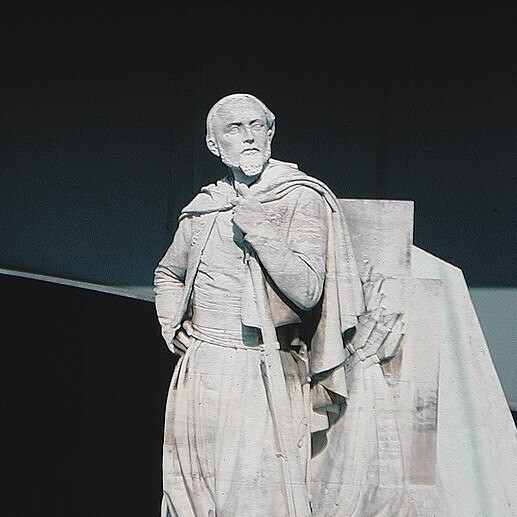
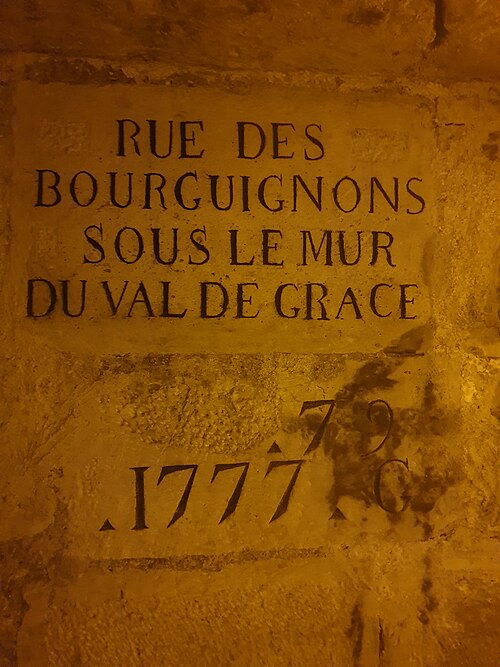
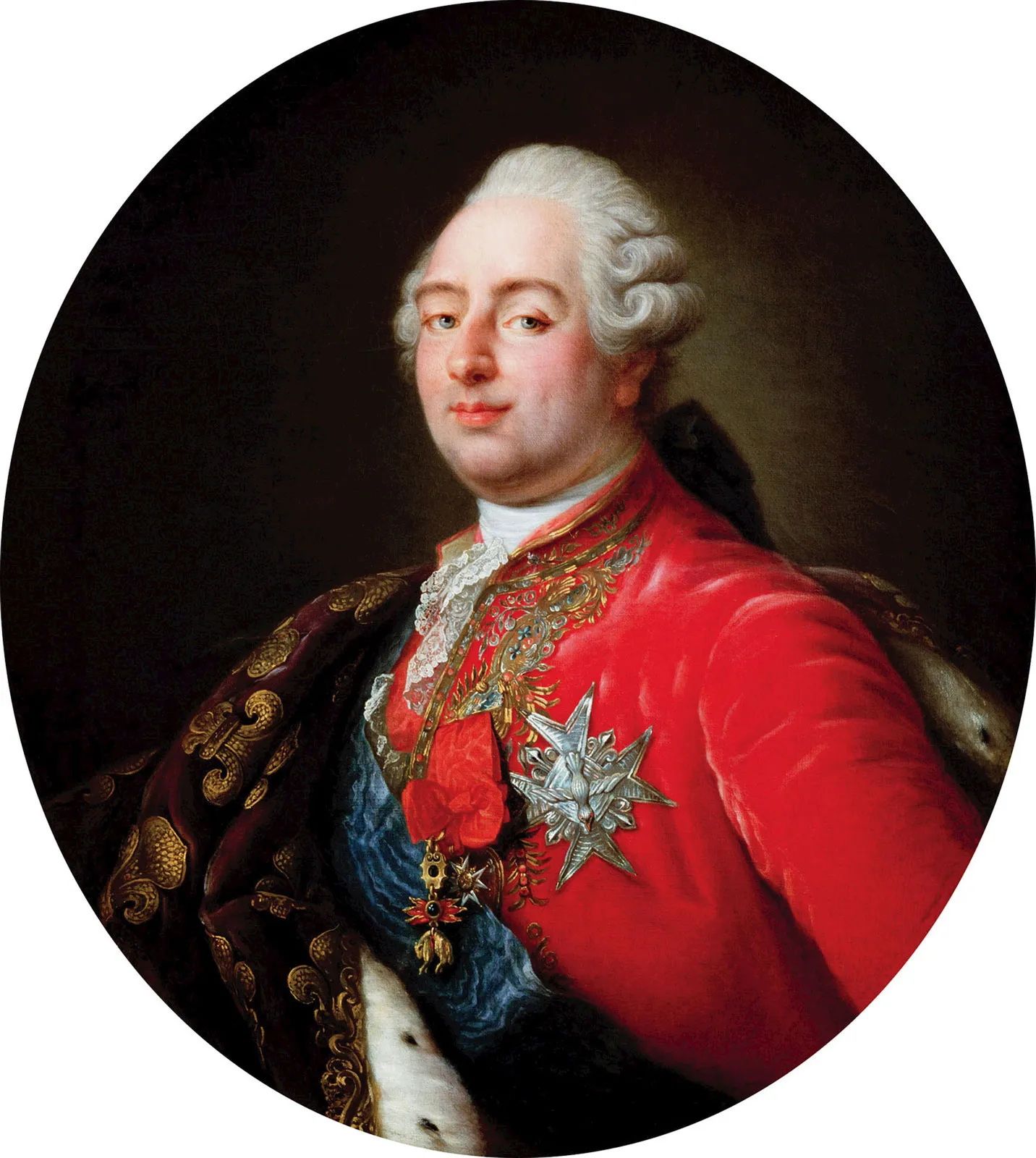
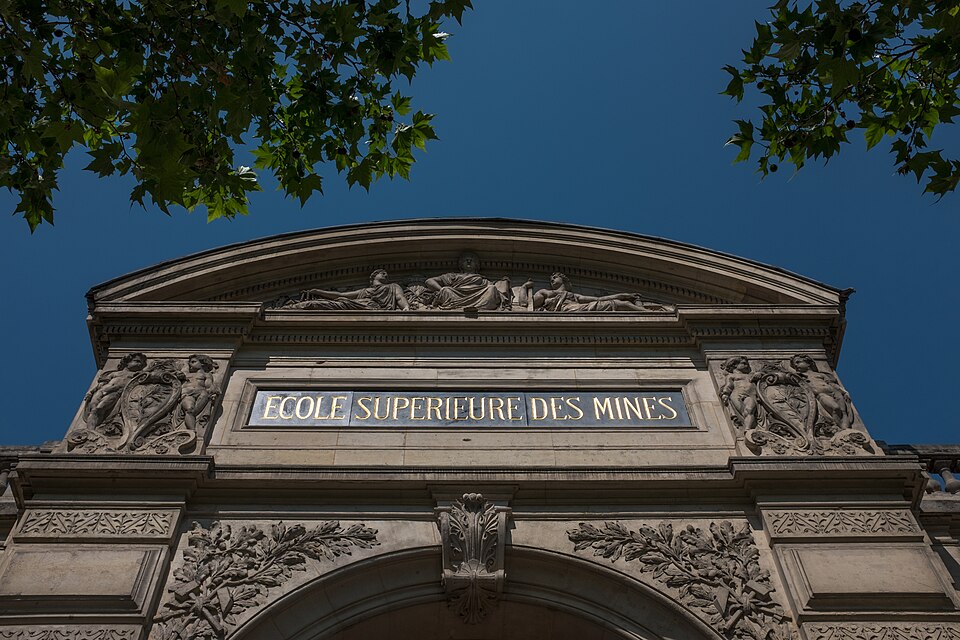
In 1777, Louis XVI founded the Inspection Générale des Carrières (IGC).
Its mission was clear, ambitious, visionary :
- map the entire quarry network
- reinforce fragile zones
- maintain continuous surveillance of the subsoil
- prevent collapses
- regulate construction at the surface
To do this, the State turned to a technical elite :
the Mining Engineers, trained in geology, soil mechanics, and risk management.
They became the invisible guardians of Paris.
Redrawing Paris… from below
These engineers descended into the galleries, sometimes by candlelight.
They walked, measured, sketched, classified.
Their remarkably precise maps formed the first complete cartography of the Parisian underground.
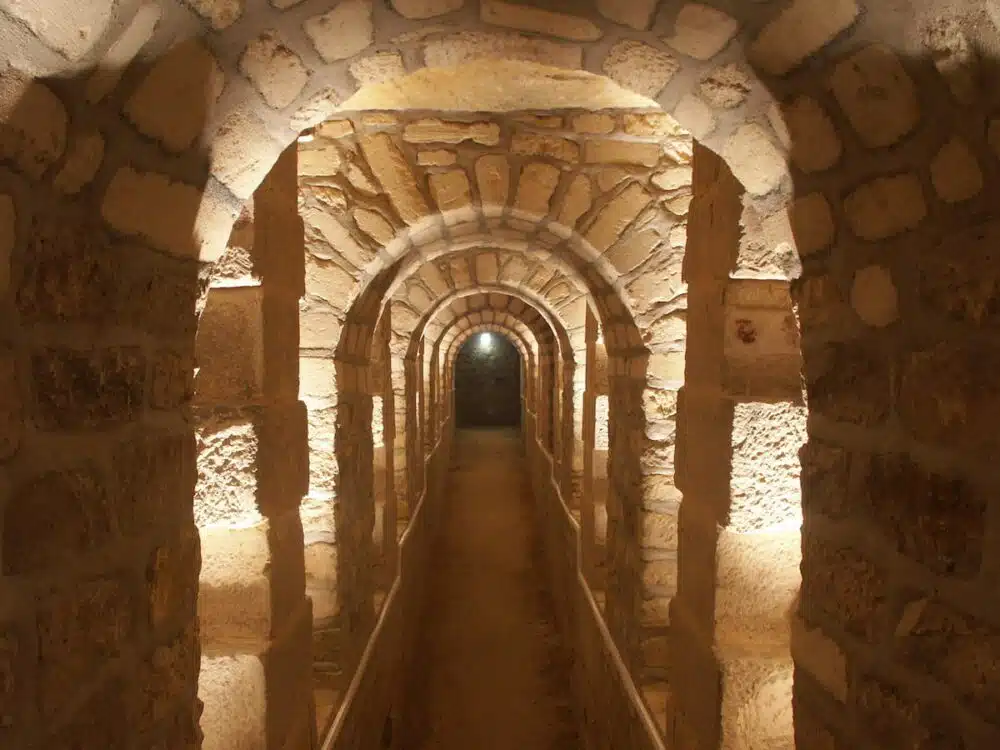
They developed new reinforcement techniques :
- masonry pillars
- consolidation vaults
- backfilling of empty chambers
- strengthening of gypsum‑prone zones
These structures still support entire neighborhoods today :
Montparnasse, Denfert‑Rochereau, Port‑Royal, Val‑de‑Grâce…
Haussmann could never have transformed Paris without them
In the 19th century, Paris modernized.
Boulevards, sewer networks, Haussmannian buildings, train stations, tunnels, all of it rested on a fragile subsoil.
Without the IGC, without its maps, without its reinforcements,
the great works of the Second Empire would have been impossible.
Modern Paris is built on stone…
but also thanks to those who watch over the stone.
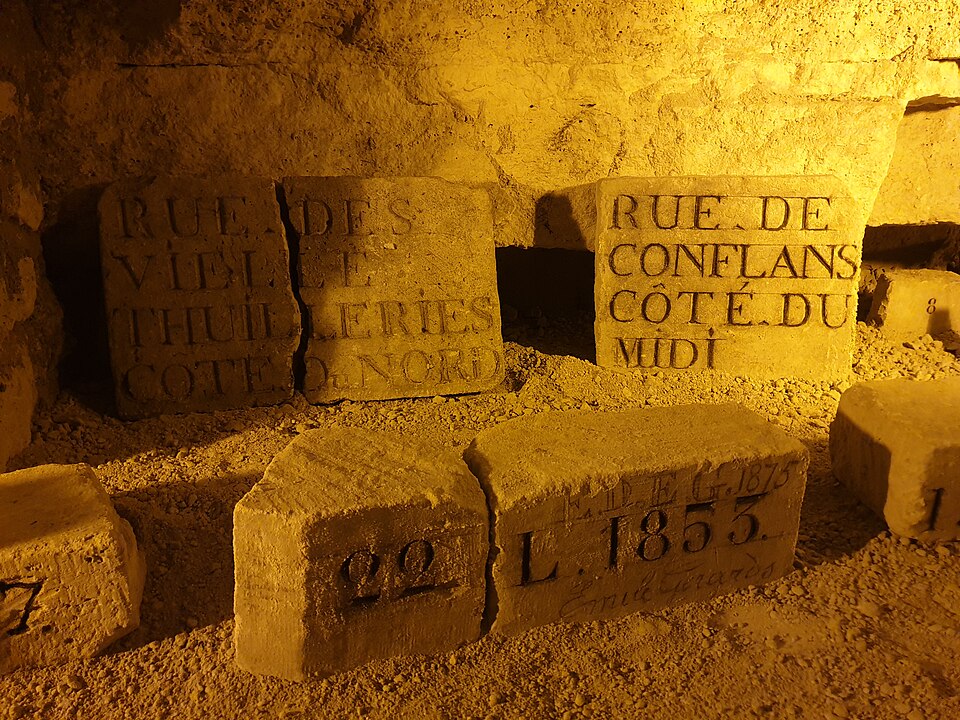
Today : a living, constantly monitored subsoil
The Inspection Générale des Carrières still exists.
Its missions have expanded :
- monitoring ancient quarries
- tracking gypsum dissolution zones
- preventing collapse risks
- providing expertise for major infrastructure projects (metro, RER, tunnels, towers, deep foundations)
- managing interactions between modern structures and ancient geology
Paris continues to evolve , always with an eye on what happens beneath its feet.
A forbidden world… that still fascinates
Despite prohibitions, despite the risks,
the Parisian underground continues to fuel the imagination.
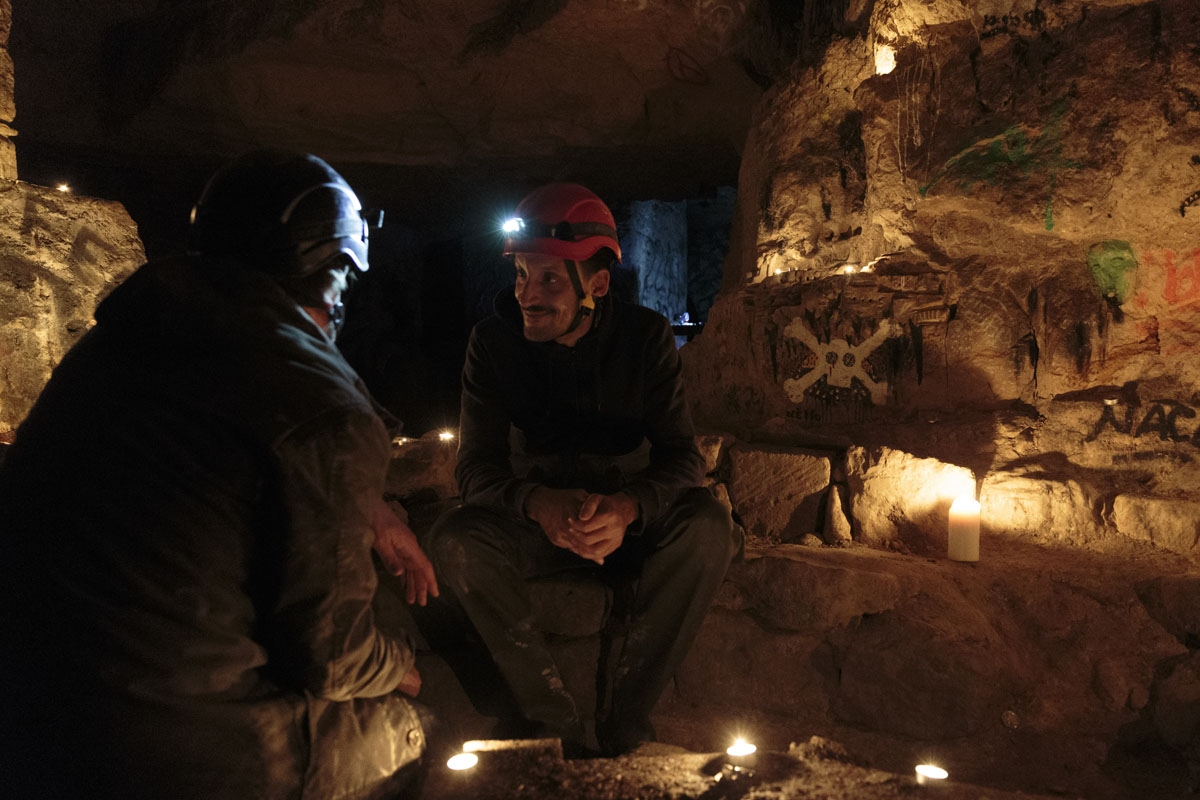
At dawn, one may still glimpse cataphiles quietly emerging from a manhole, dust‑covered, returning from a nocturnal expedition into this buried kingdom.
Because Paris is not just a city.
It is a superposition of cities , visible and invisible, luminous and subterranean.
And perhaps that is where its mystery lies.
If you want to explore this layered Paris — above ground and beneath it — Bespoke Paris offers private tours in Paris that reveal the city as it truly is.