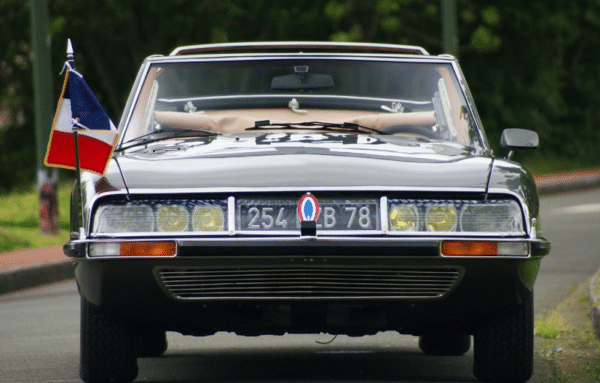

The Presidential car as a national symbol
A presidential vehicle has a practical purpose: it must transport the head of state safely and discreetly.
But it also performs a symbolic role. It appears during inaugurations, military parades, diplomatic visits and moments of national celebration. Its size, design, technology and degree of visibility all contribute to the public image of the presidency.
French presidents have generally used vehicles built by French manufacturers. This has turned the official car into a showcase for the country’s industrial expertise, from Citroën’s hydraulic suspension to Renault’s engineering and DS Automobiles’ attempt to redefine French luxury.
Charles de Gaulle and the Citroën DS
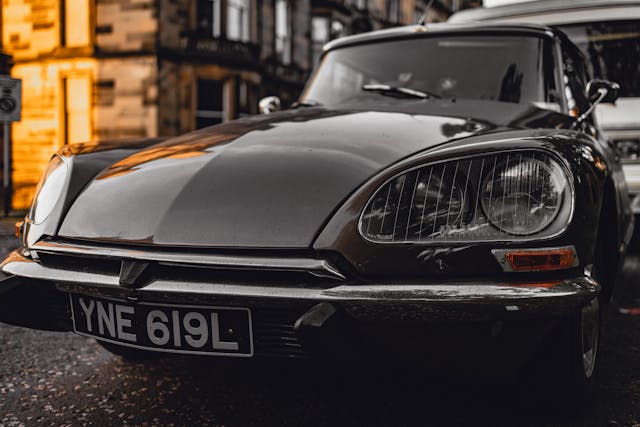
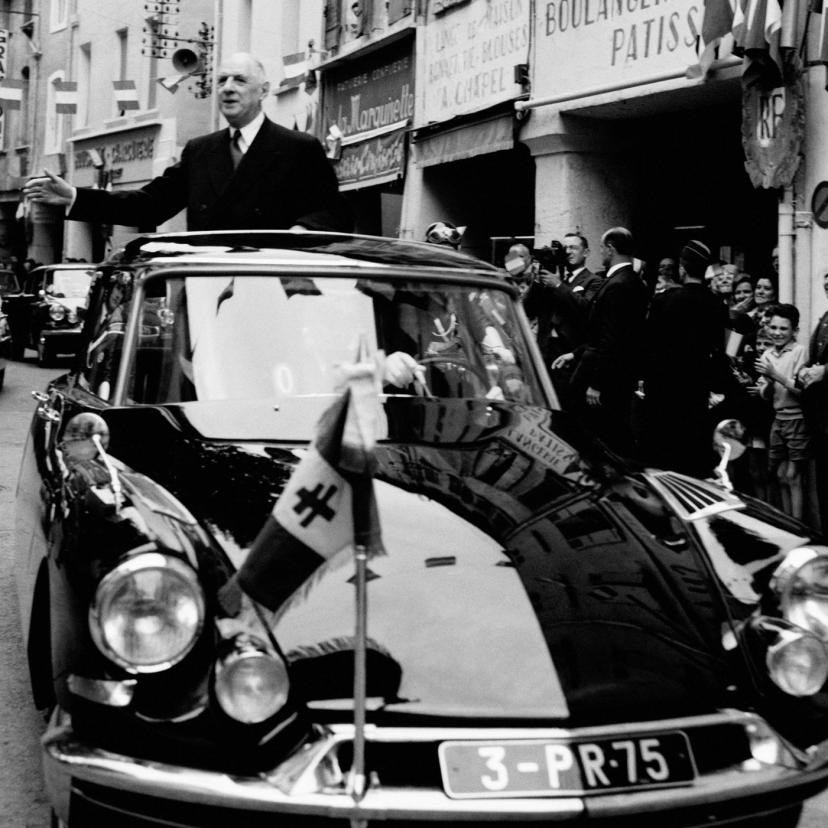
The Citroën DS became inseparable from the image of Charles de Gaulle.
Introduced in 1955, the DS was unlike almost any other car on the road. Its streamlined body, advanced suspension and unusual proportions made it look less like a conventional executive saloon than a vehicle from the future.
For de Gaulle, the DS embodied a particular vision of France: technologically ambitious, independent and confident in its own engineering.
The car also became part of presidential mythology after the assassination attempt at Petit-Clamart in August 1962. During the attack, the presidential DS was hit by gunfire and suffered punctured tyres, yet its suspension and handling helped the driver escape. The incident transformed the car from an impressive piece of engineering into a national symbol of resilience.
The DS was not simply carrying the president. It seemed to embody the ability of the French state to continue moving under pressure.
Georges Pompidou and the SM Présidentielle
Georges Pompidou brought a different sensibility to the Élysée Palace. A strong supporter of modern art and contemporary architecture, he was comfortable with bold forms and unconventional ideas.
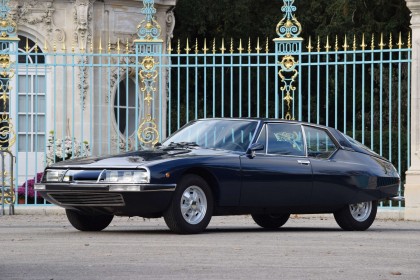
That spirit was reflected in the Citroën SM.
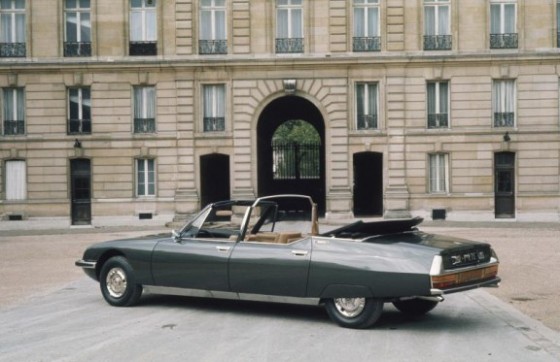
The presidential version was not an ordinary production car. Henri Chapron created special open-top versions for official ceremonies, transforming the elegant grand tourer into a dramatic ceremonial vehicle.
The SM combined a Maserati V6 engine, a sculptural body and an unmistakably French sense of spectacle. It was designed to be seen during parades and public events, where the open cabin allowed the president to remain visible to the crowd.
Where the DS suggested authority through technology, the SM expressed authority through design, theatre and modernity.
The CX and Safrane: discretion and continuity
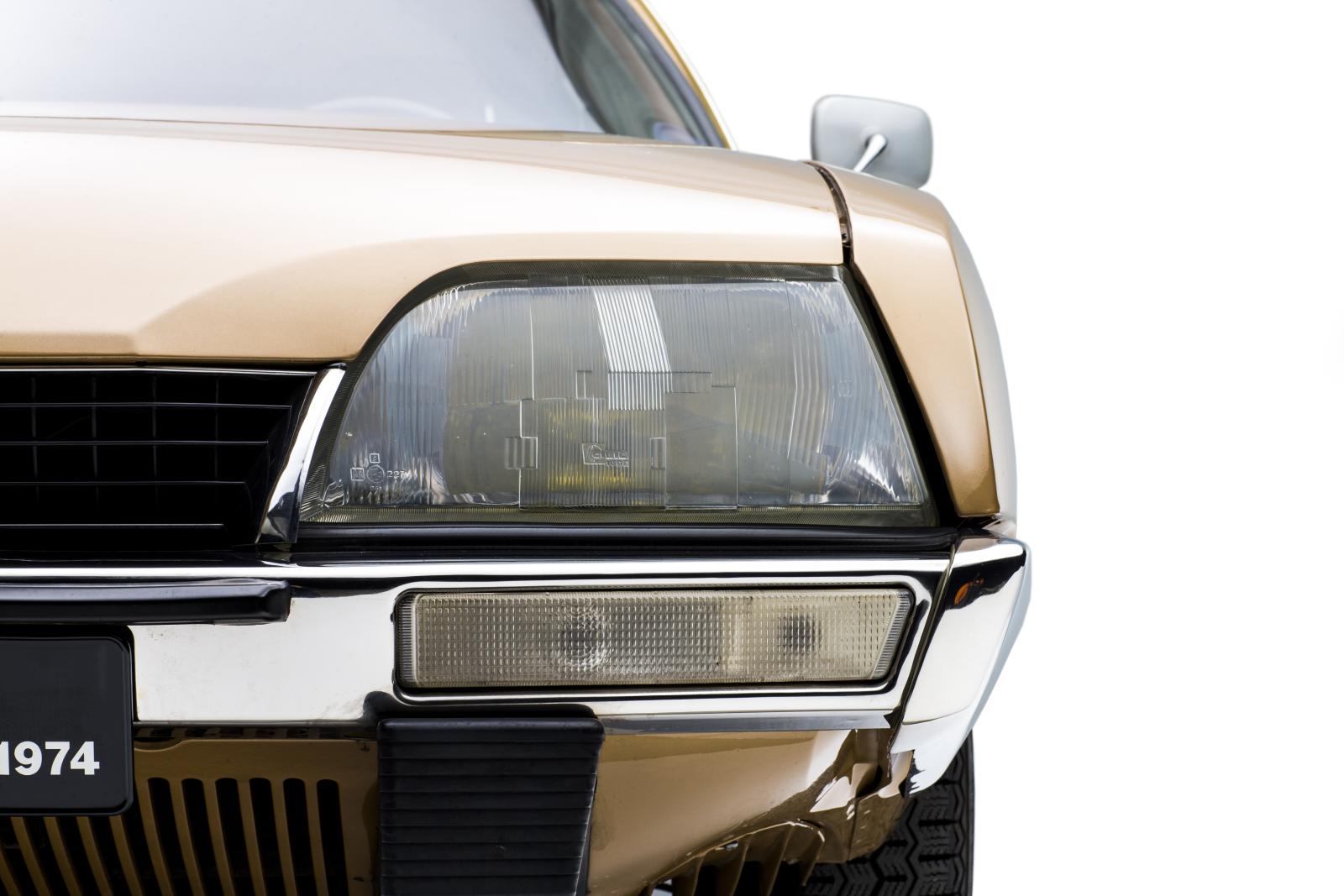
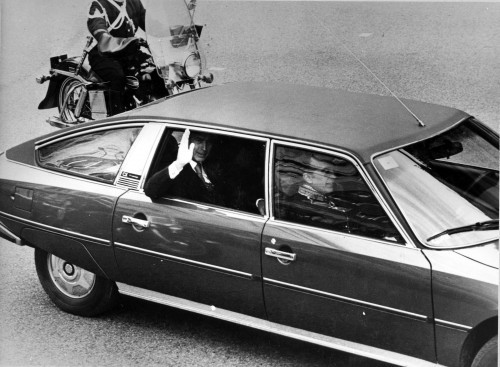
During the 1970s and 1980s, presidential transport became more discreet. The Citroën CX represented a different kind of official presence: spacious, technically sophisticated and less visually radical than the DS or SM.
The presidential car no longer needed to look futuristic. It needed to provide comfort, protection and a quiet sense of authority.
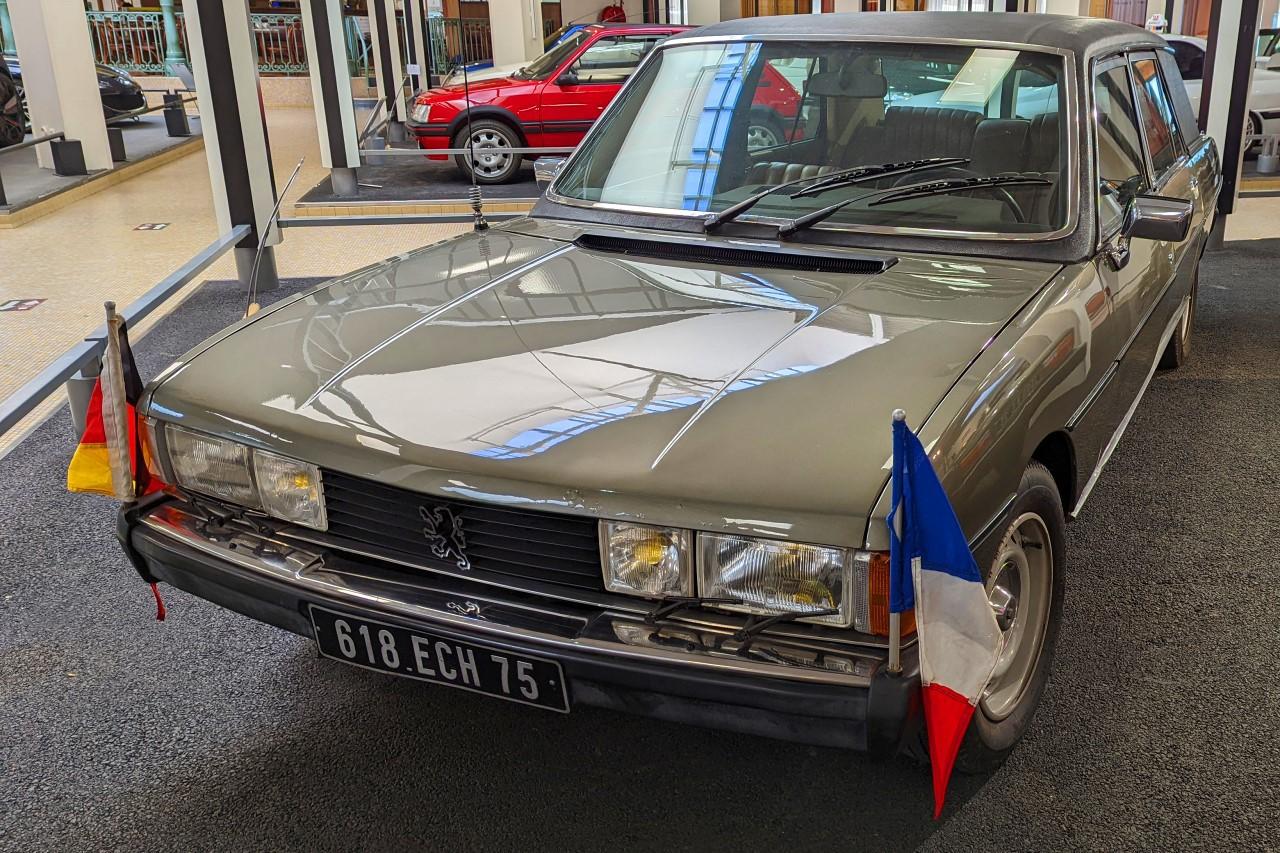
Renault later became increasingly important in the official fleet. In 1992, an extended-wheelbase Renault Safrane was introduced as the official car of Presidents François Mitterrand and Jacques Chirac. Its long rear cabin and restrained design suited a presidency that valued privacy and continuity over spectacle.
The Safrane was not designed to attract attention. Its message was subtler: French engineering could provide security and executive comfort without imitating the grand American limousine.
The Peugeot 607 Paladine and Nicolas Sarkozy
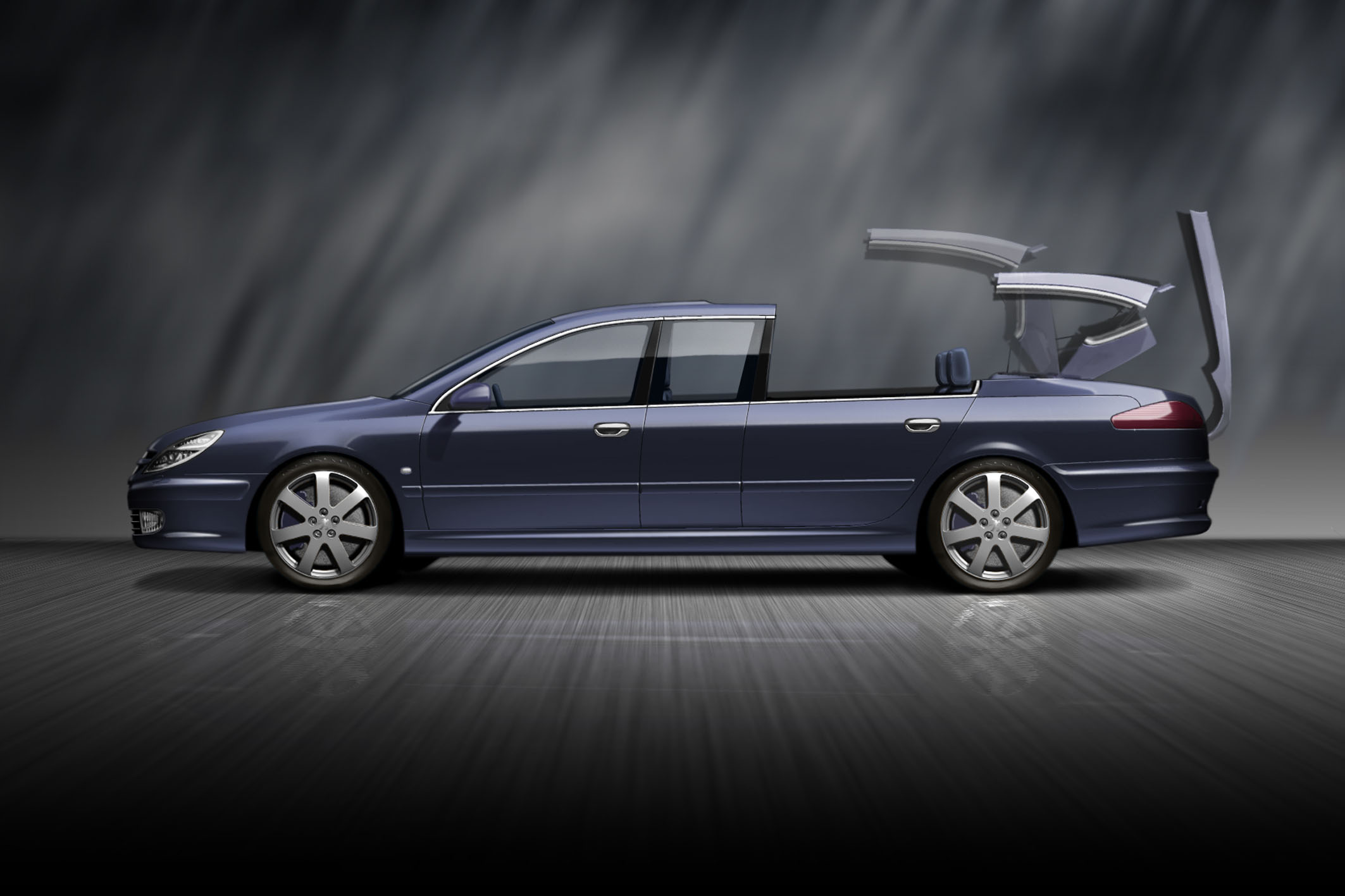
The Peugeot 607 Paladine brought ceremony back into the spotlight.
Originally developed as a concept car, the Paladine was a dramatic open-top limousine based on the Peugeot 607. It featured an extended body, a luxurious interior and a retractable roof.
At Nicolas Sarkozy’s request, the car was taken from the Peugeot collection and used during his inauguration parade on 16 May 2007.
The Paladine was not intended to become a normal presidential fleet vehicle. Its role was ceremonial. It was designed for a single public moment in which the new president could be seen travelling down the Champs-Élysées.
The car’s significance came from that tension between concept and official vehicle. It was both a piece of industrial design and a carefully staged political image.
François Hollande: hybrid symbolism and practical transport
François Hollande’s inauguration introduced another important development: the use of a hybrid presidential vehicle.
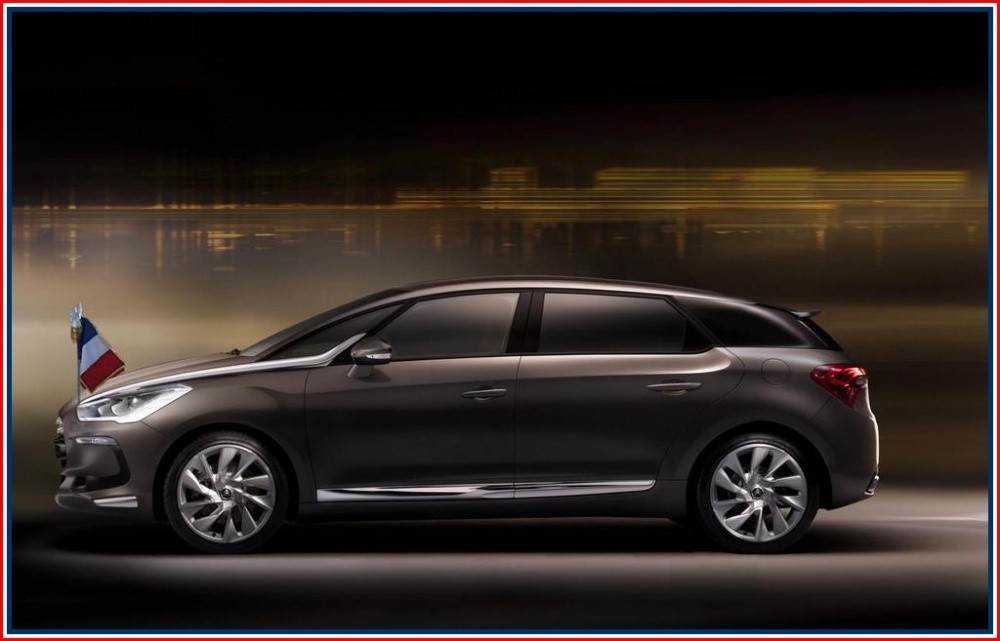
A special open-top version of the Citroën DS5 Hybrid4 was used for the inauguration ceremony in 2012. Its hybrid technology reflected a growing political interest in lower-emission vehicles and the future of French industry.
The DS5 was distinctive without being ostentatious. It looked like a modern French executive car rather than a traditional state limousine.
Hollande later chose a specially prepared Renault Espace V as his official vehicle. This was a more practical and discreet choice, with a spacious interior and a design closer to a modern family and executive vehicle than to a classic limousine.
Together, the DS5 and the Espace V showed two sides of contemporary presidential transport: ceremonial symbolism and everyday practicality.
Emmanuel Macron and the DS7 Crossback
Emmanuel Macron’s inauguration brought French luxury back into the centre of the presidential image.
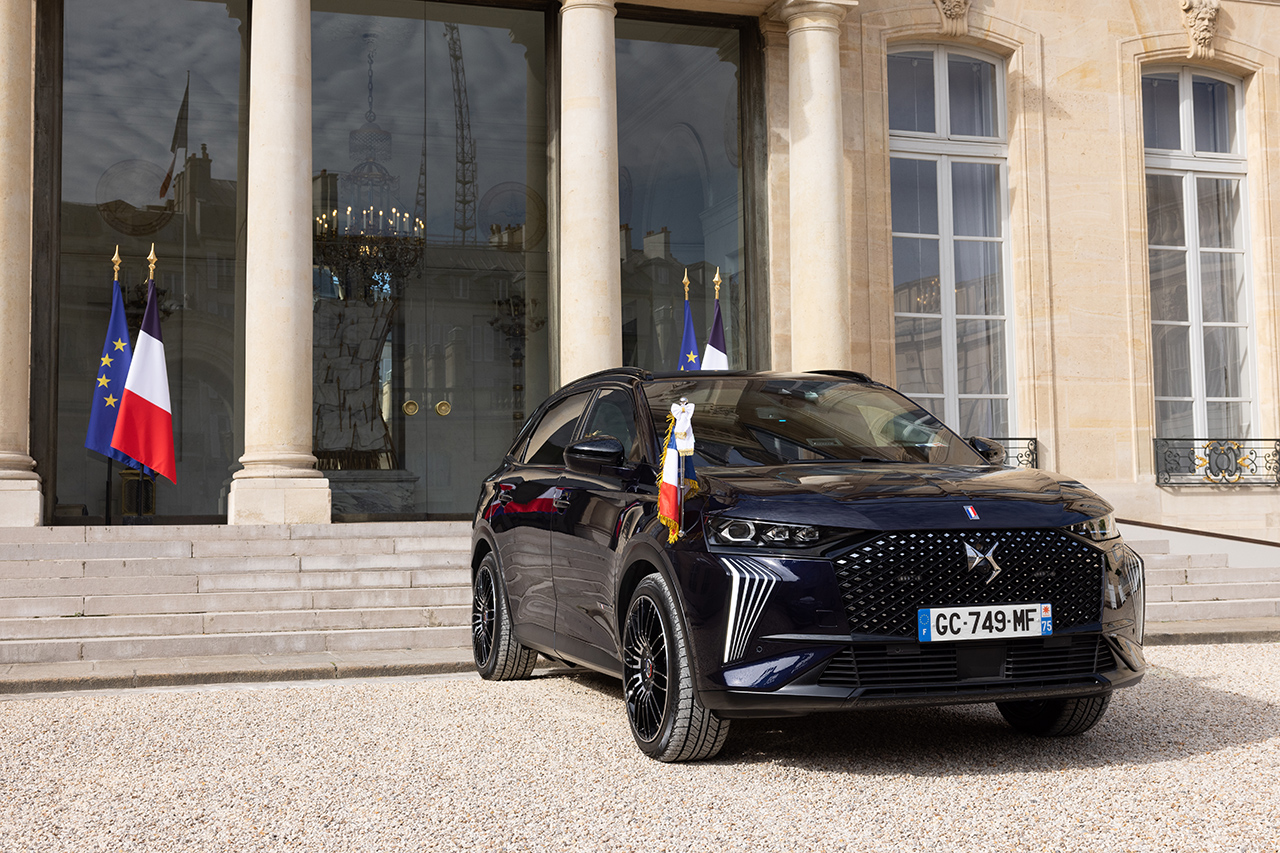
A specially prepared DS 7 CROSSBACK was chosen for the ceremony in 2017. The vehicle combined a contemporary SUV design with bespoke details created for presidential use.
Its appearance was significant for DS Automobiles, a relatively young French premium brand seeking to establish its own identity. The presidential ceremony gave the model an immediate association with French craftsmanship, technology and prestige.
The DS 7 was neither a nostalgic return to the grand limousines of the past nor a purely functional vehicle. It represented a new version of French luxury: more compact, more contemporary and closely connected to design.
What Presidential Cars Reveal About France
French presidential cars reveal several recurring themes.
A country proud of its engineering
From the DS’s hydraulic suspension to the hybrid technology of the DS5 and the bespoke engineering of the DS 7, these vehicles have often served as demonstrations of French technical ability.
Authority without excessive display
French official cars tend to balance ceremony with restraint. They must communicate power without appearing entirely detached from ordinary life.
Design as political language
The choice of a car is never purely practical. The DS, SM, Safrane, Paladine, DS5 and DS 7 each expressed a different relationship between the presidency, modernity and the public.
A moving history of French identity
Presidential cars reflect the changing image France wants to project: industrial, elegant, independent, innovative and culturally confident.
They are not just vehicles. They are mobile stages on which political identity is performed.
A Different Way to Read French Political Culture
To follow the history of French presidential cars is to move through the history of the Fifth Republic itself.
The DS represents de Gaulle’s technological confidence. The SM reflects Pompidou’s modernist imagination. The Safrane suggests discretion and continuity. The Paladine turns ceremony into spectacle. The DS5 introduces environmental symbolism, while the DS 7 presents a contemporary vision of French luxury.
For travellers interested in the relationship between design, politics and Paris, these cars offer another way to understand the city and the country around it.