
Perraudin Architecture Studio: Buildings that blend with their surroundings.
From 15 October 2026 · Cité de l’architecture et du patrimoine, 1 place du Trocadéro et du 11 Novembre, 75116 Paris
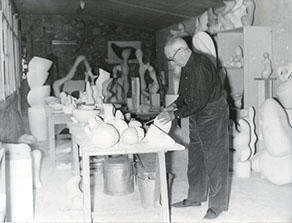
Led by Gilles and Jean-Manuel Perraudin, Atelier Architecture Perraudin won France prestigious Grand Prix national de l’architecture in 2024. The practice focuses on materials, local resources and the relationship between architecture and its surroundings. Rather than pursuing spectacle, the studio creates durable, usable spaces that are deeply connected to their setting and context.
The exhibition showcases eight projects across France, Romania and Senegal. Photographs, drawings and design documents show an architecture attentive to stone, earth and wood, as well as to local skills and ways of life. For Perraudin, rehabilitation is not simply about understanding what already exists. It begins with understanding a place well enough to extend its history, materials and uses through a new architecture.
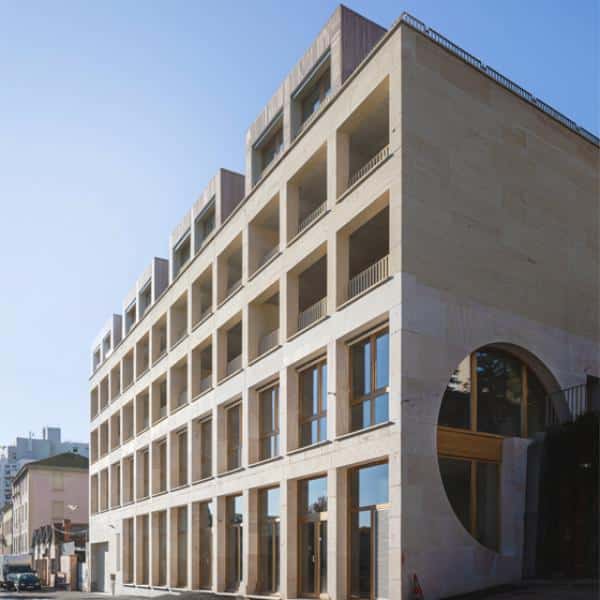
Image source: Cité de l’architecture et du patrimoine. Droits Réservés
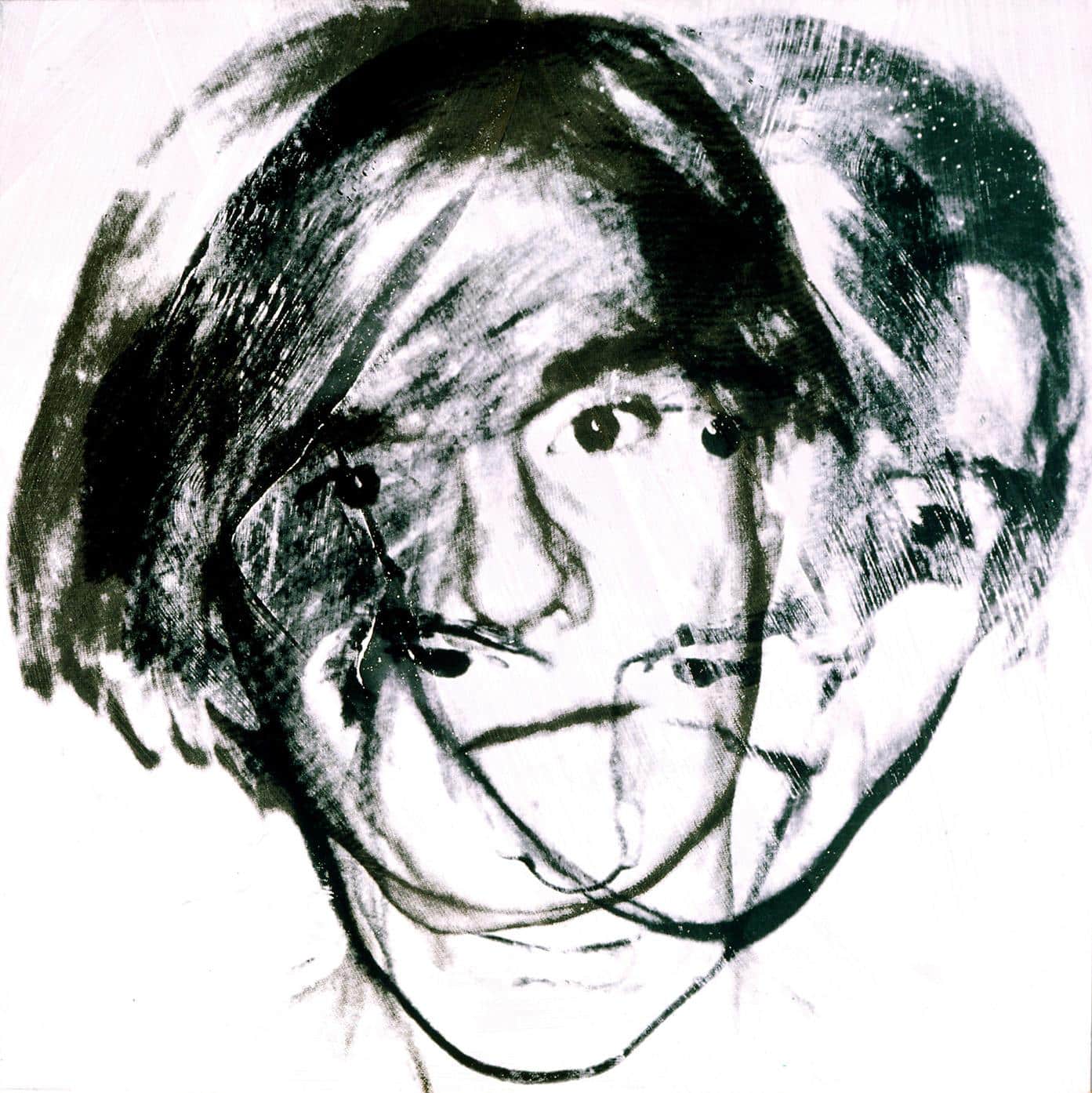
François Morellet: Architecture as a Playground
16 October 2026 – 3 January 2027 · Cité de l’architecture et du patrimoine, 1 place du Trocadéro et du 11 Novembre, 75116 Paris
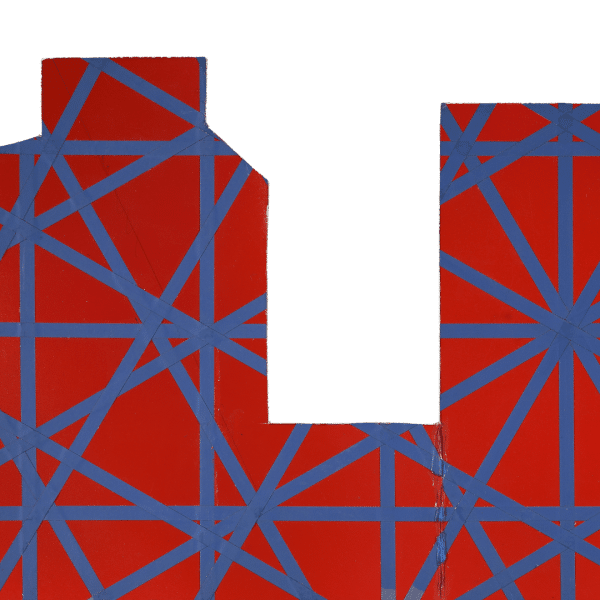
François Morellet, who died in 2016, was one of the leading French artists associated with geometric abstraction. Self-taught, he developed a body of work from the 1950s onwards based on systems, lines, grids and simple rules, often approached with a touch of irony.
From the early 1970s, he created nearly 140 monumental works, which he called his “disintegrations”. Installed on façades, in gardens, stations and public squares, they disrupt perspectives and alter the way space is perceived.
The exhibition brings together around forty works, including three monumental pieces from the permanent collections. It shows how geometric abstraction can enter into dialogue with heritage and public space, and how an artwork can change the way we move through a building.
© Morellet, Philippe Rolle. Source: Cité de l’architecture et du patrimoine
Le logement, pièce par pièce
11 September – 18 October 2026 · Maison de l’architecture Île-de-France, 148 rue du Faubourg Saint-Martin, 75010 Paris · Free admission
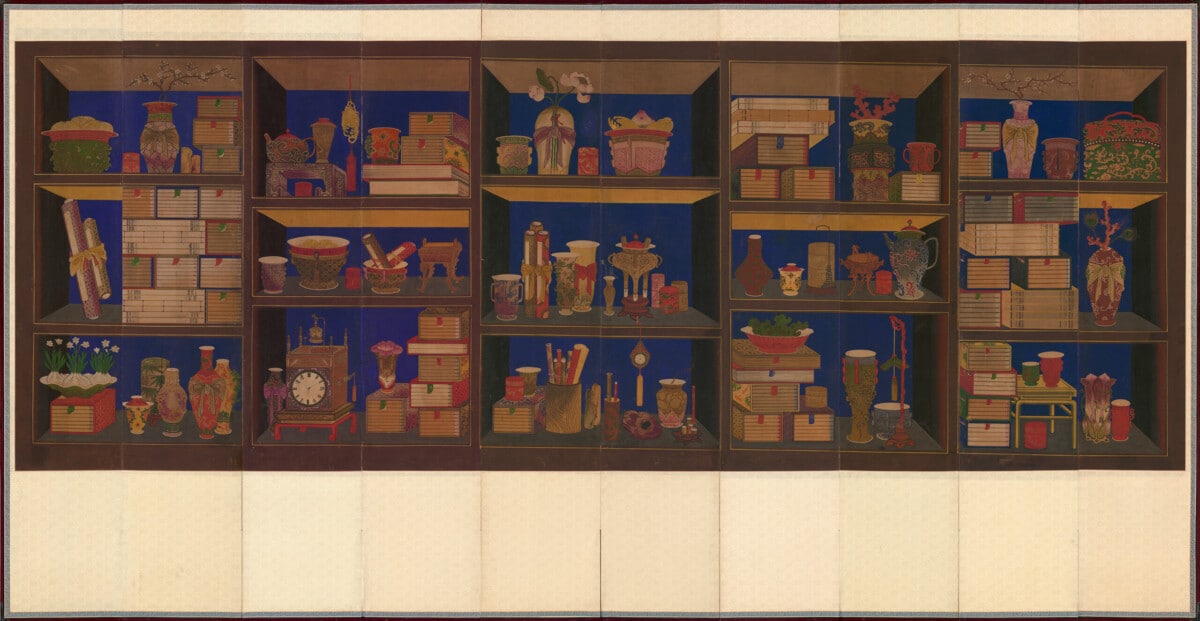
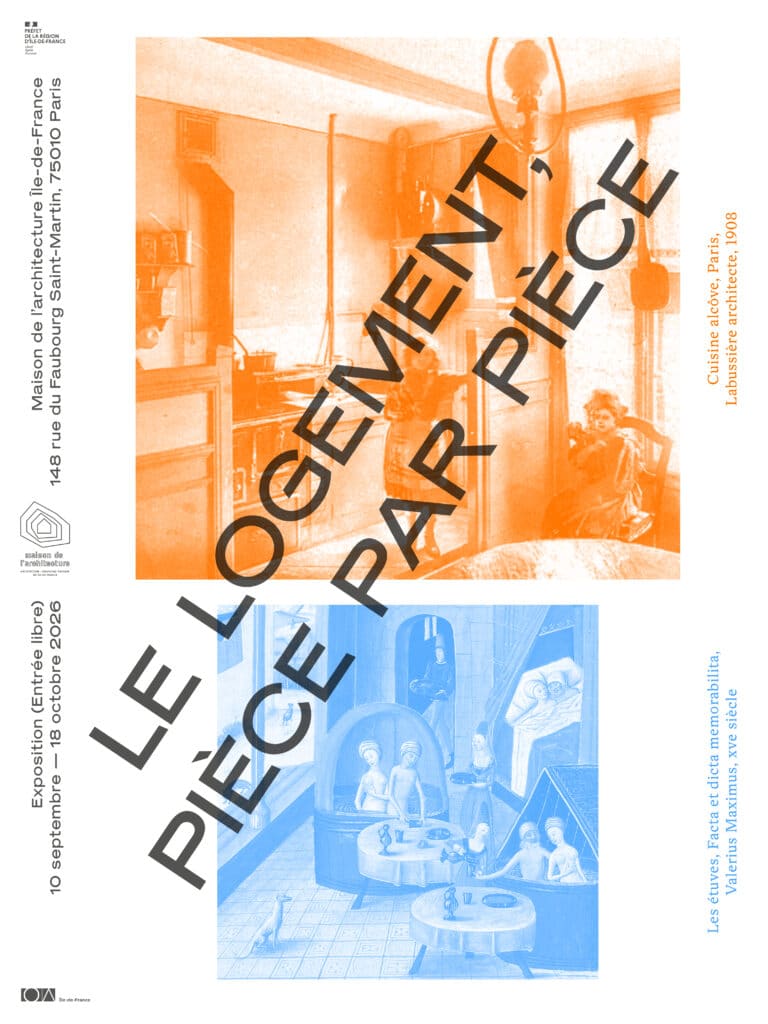
This exhibition shifts the focus from major buildings and façades to the rooms that shape everyday domestic life: the living room, kitchen, bedroom, corridor, bathroom and outdoor extensions. Each of the six invited curators examines one room and what it reveals about the way we live.
Moving through the history, present and future of housing and the home, the exhibition reminds us that the success of architecture is also measured by what it allows us to do every day. The six perspectives gathered here show that rehabilitation does not simply mean changing a building: it also means rethinking uses, how we move around and the ways we live together.
Maison de l’architecture Île-de-France.
Architects Who Came from Elsewhere
Paris has often welcomed architectural visions from other parts of the world. Renzo Piano and Richard Rogers transformed the area around Les Halles with the Centre Pompidou; I. M. Pei placed his pyramid in the Louvre courtyard; and at UNESCO, Marcel Breuer and Pier Luigi Nervi gave an international institution a modernist headquarters. All of these projects had to engage with an urban identity that was already firmly established.
And it is ongoing with Tadao Ando inserting a concrete cylinder into the Bourse de Commerce, creating a new exhibition space within the historic rotunda. Renzo Piano has just designed the Palais de Justice as a new landmark in the Batignolles district and beyond the city centre. Beyond the city’s major monuments, Herzog & de Meuron’s Rue des Suisses and Kengo Kuma’s Yama-Tani ask the same question of housing: how can new materials, forms and ways of living take their place within an established urban context?
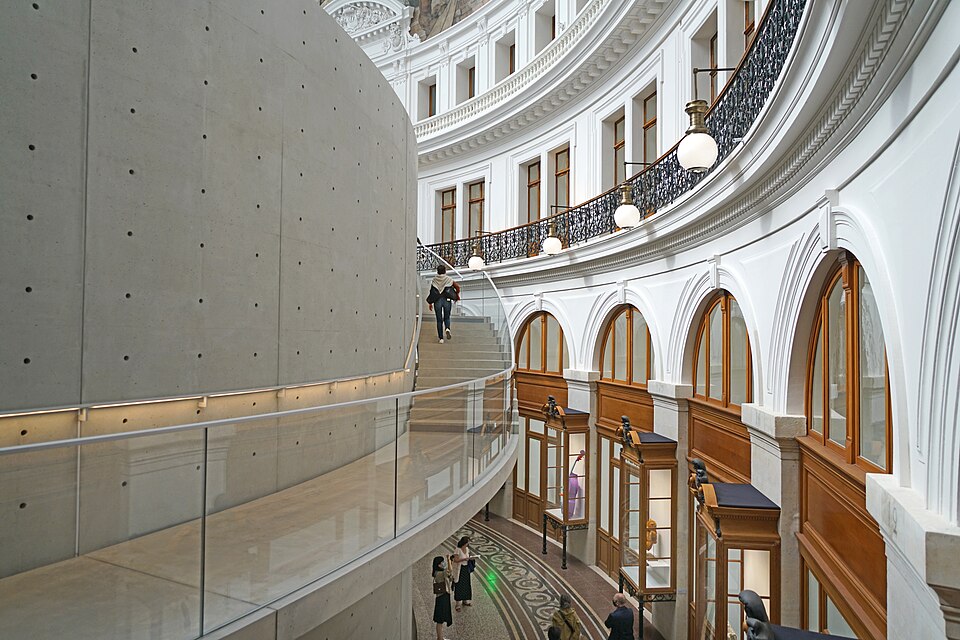
Photo: Jean-Pierre Dalbéra
A Re-Situ Detour
With Re-Situ, a visit begins not with a checklist of landmarks but with a question: what interests you and what could we share of the this city with you. The answer to that question could take us anywhere in this beautiful and ever changing city.
Paris, discovered through unique tailor-made tours.