
A Shortened, but Rich Art Week
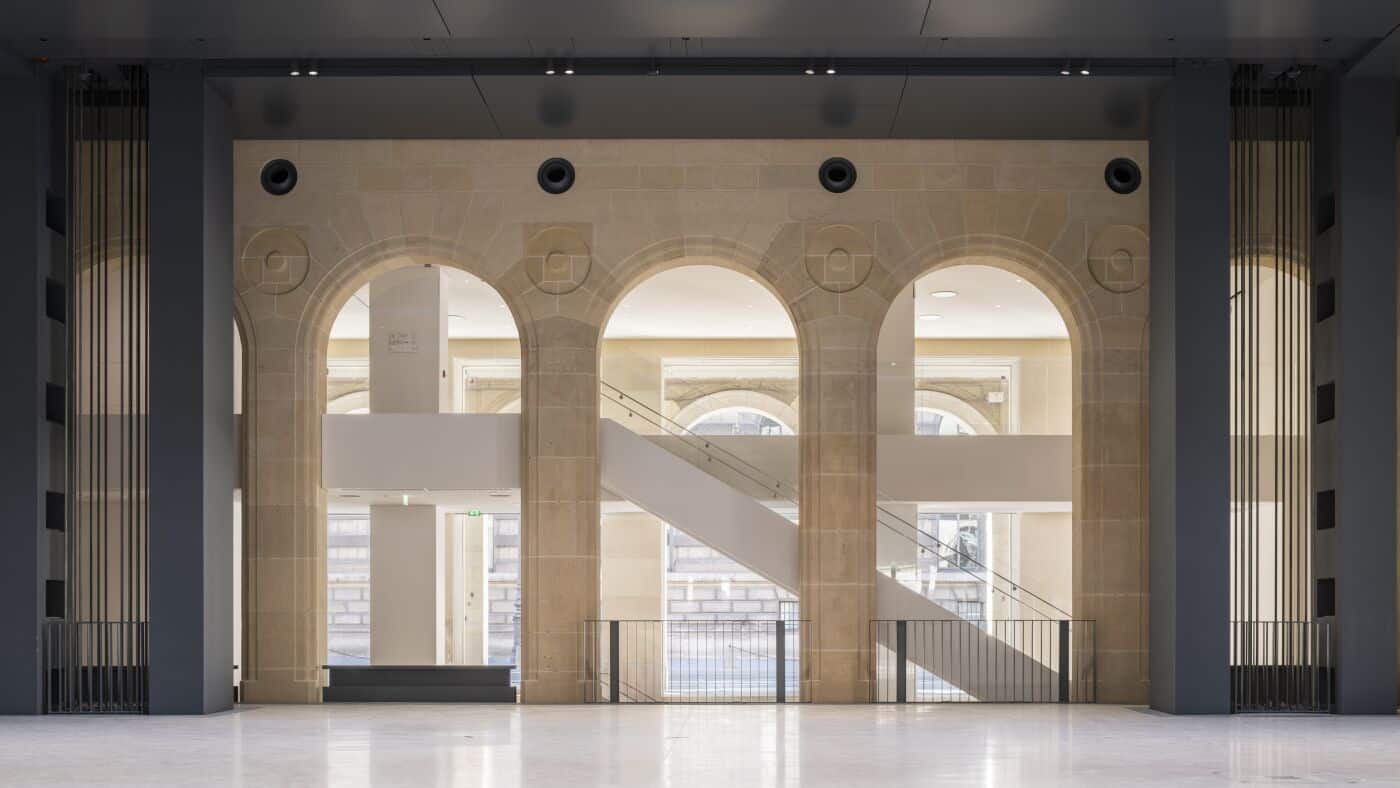
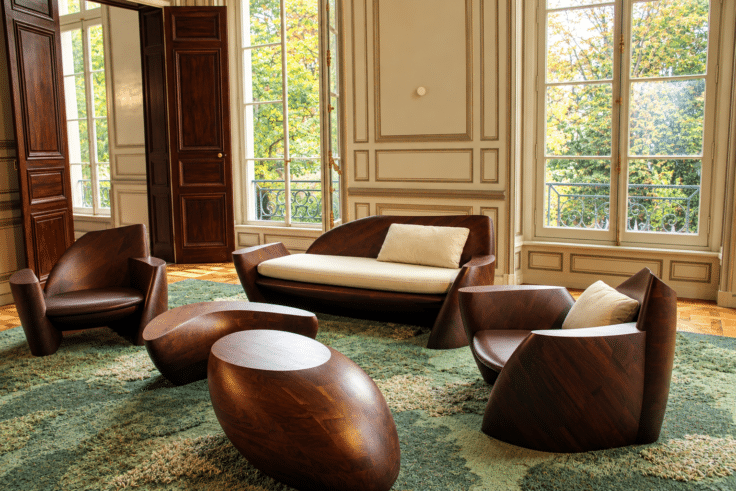
Art Basel Paris brought together leading international galleries beneath the stunning renovated glass roof of the Grand Palais. Design Miami Paris once again took over the salons of the Hôtel de Maisons, setting iconic pieces against exceptional architecture.
Among the highlights of Design Miami was Jean Prouvé’s 6 × 6 Demountable House, designed in 1944. This compact structure, conceived to be dismantled and moved, offered a close-up view of Prouvé’s philosophy: industrial construction, simplicity, light and comfort at an affordable price when created.
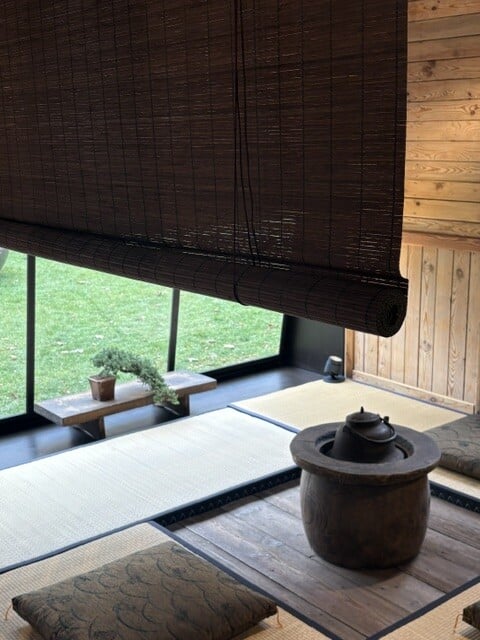
Photo: Louise Garier / Re-situ
Worth Seeing Now: Katinka Bock
High and Dry
Maison La Roche, Fondation Le Corbusier · until 31 October 2026
The Fondation Le Corbusier presents an exhibition by German sculptor and visual artist Katinka Bock, conceived in dialogue with one of the rare creations by Le Corbusier in Paris: Maison La Roche. Photographs and sculptures compliment Le Corbusier’s architecture across light, materials, movement and the relationship between inside and outside.
The exhibition closes on 31 October, giving you a few days left to discover Katinka Bock’s work. Nominated for the Marcel Duchamp Prize in 2019, this is an opportunity to see an exhibition in a place rarely used for exhibitions.
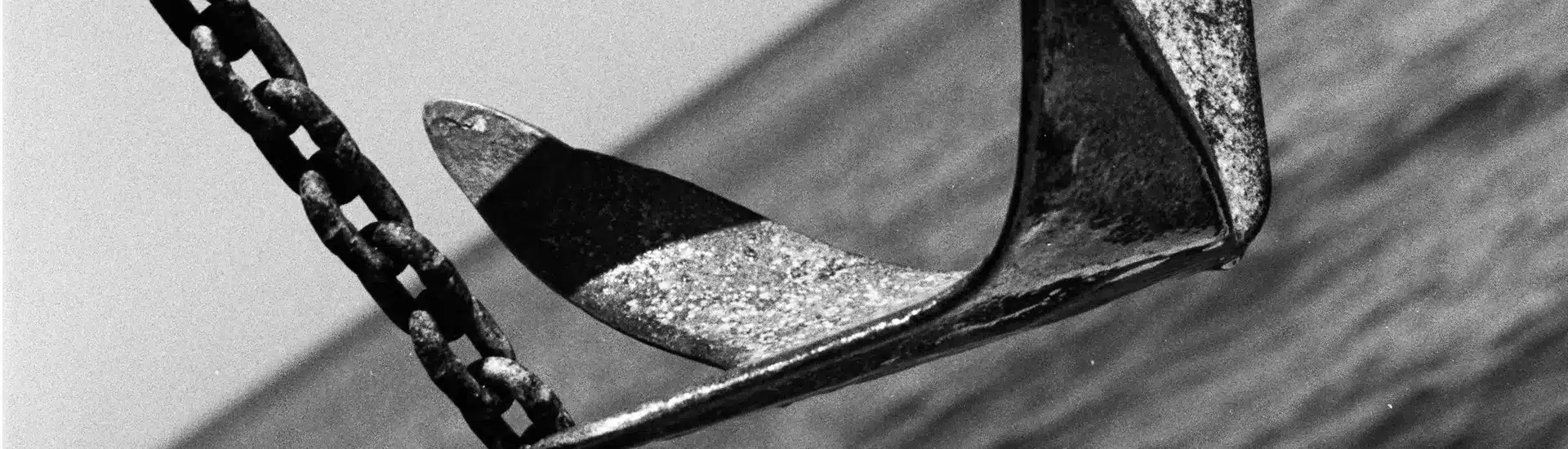
Katinka Bock, High and Dry, 2026. Silver gelatin print. Courtesy Katinka Bock and Galerie Jocelyn Wolff.s.
Jean-Michel Frank at Ecart
18 rue Jacob, Paris 6th · until 14 November 2026
In Saint-Germain-des-Prés, Ecart, the French design house and gallery founded by the legendary interior designer Andrée Puttman, presents a selection devoted to Jean-Michel Frank, one of the main decorators of the Art Deco period. His furniture and interiors are known for being designed around ideas of restraint, natural materials and precise proportions.
Frank’s work out of favour during the post-war reconstruction, until Pierre Bergé and Yves Saint Laurent began adding it to the remarkable collection, and Andrée Putman, the founder of Ecart, reissued a number of select pieces of his furniture.
After the energy of the fairs, this presentation offers a more intimate way of looking at design. Thinking about luxury not from the view of statement purchase, but from an appreciation of the quality of making, the simplicity and the beauty of the lines and the way an object belongs within an interior.
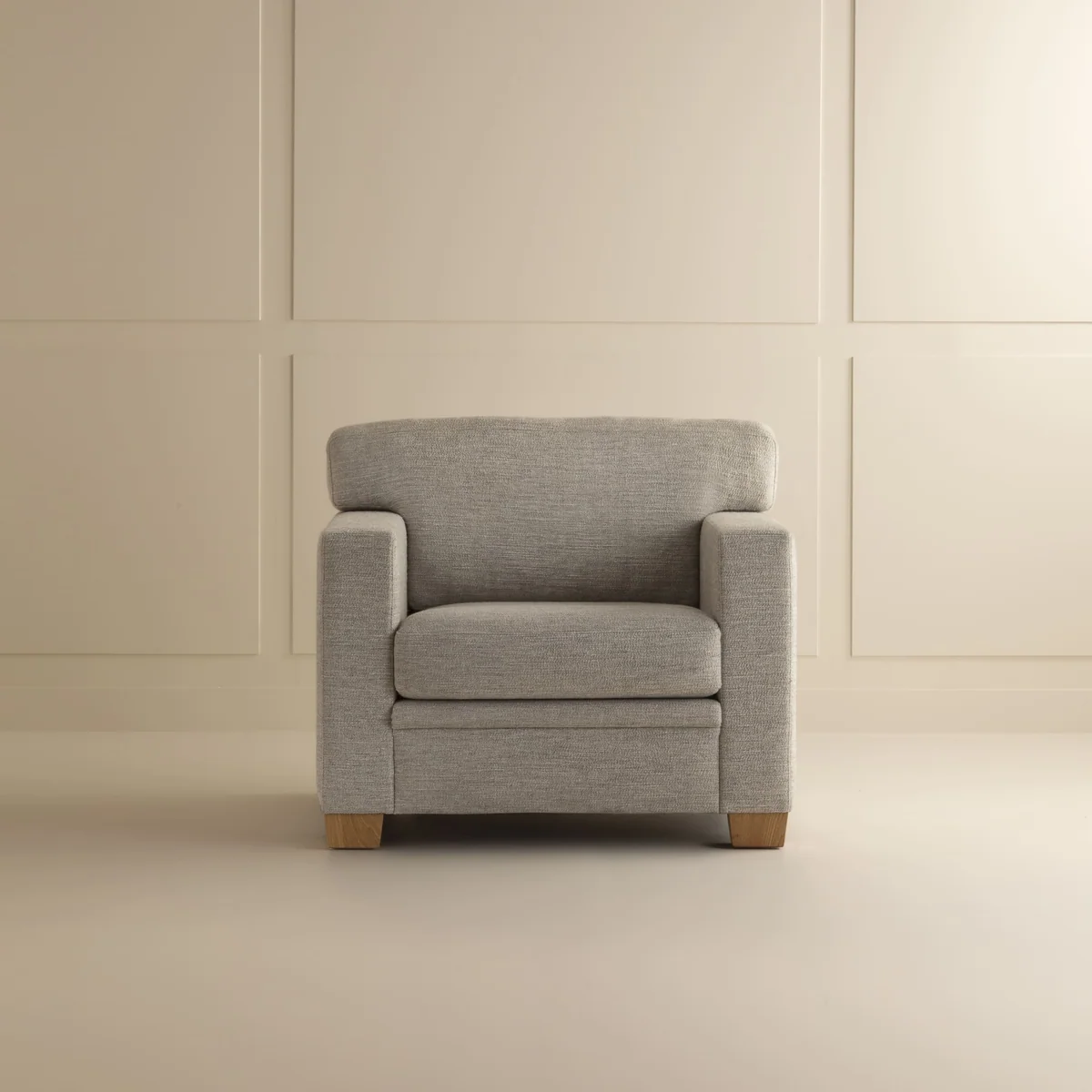
Jean-Michel Frank, Club Armchair, c. 1930. Courtesy Ecart.
Still On View
Ibrahim Mahama, The Harvest Season
Fondation Cartier, 2 place du Palais-Royal · until 28 February 2027
The Fondation Cartier continues to present The Harvest Season, the first Paris exhibition by Ibrahim Mahama. The Ghanaian artist brings together artist groups to reflect on the industrial history of his country, colonial legacy and sharing of knowledge and know-how.
Le Large and Île Seguin
An Opening After Several Earlier Attempts and Stalled Projects
Le Large , the contemporary art space, opened its doors on 17 October on Île Seguin, an island on the Seine that housed a Renault factory. Its inaugural exhibition, Moteur Imaginaire, brings works from the Renault Collection into dialogue with contemporary creation.
This opening takes on a particular significance in the history of the site. Following the closure of the factory in 1992 and demolition in 2004, Ile Seguin has been imagined as the setting for a succession of cultural and architectural projects that never truly came to fruition. François Pinault had notably planned to establish his foundation there. A few years later, the R4 project, backed by Swiss art dealer Yves Bouvier and designed by Jean Nouvel, was intended to transform the island into a vast centre for contemporary art. That project was set aside too.
Le Large has managed to break the cycle and open the space for art, supported by Laurent Dumas, a major collector, founder of the succesful Emerige development and construction group and an important patron of art and culture.
With Moteur Imaginaire, the island’s industrial past becomes the starting point for a story of machines, mobility, work and the transformation of landscapes. Its the Renault collection meeting contemporary creation and imagination.
The exhibition includes works from Renault Art Collection such as those by Tinguely, Dubuffet, Arman and Vasarely, artists whose exploration of movement, material and perception naturally fit into the history of the site.
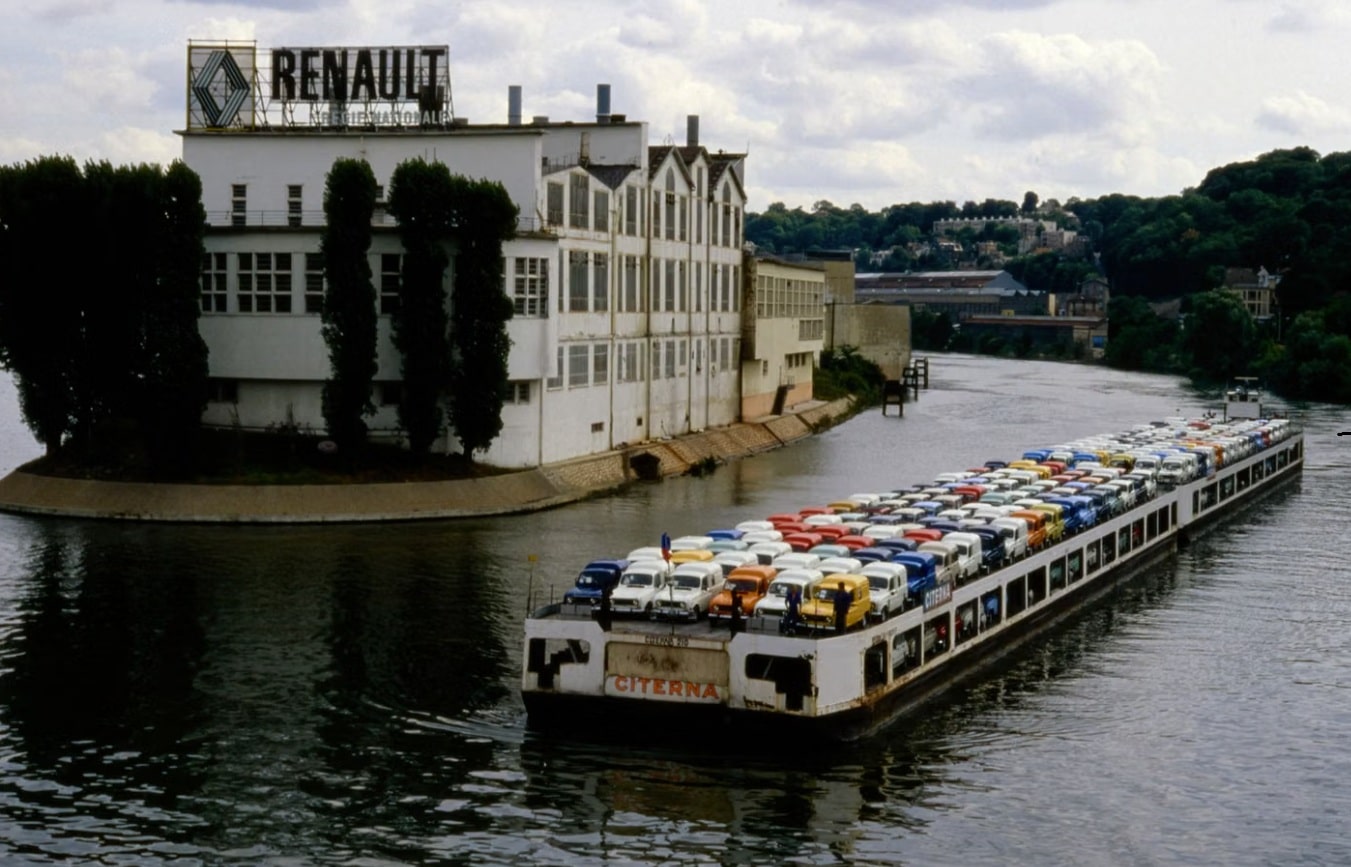
Former Renault Factory. Courtesy Renault Collection
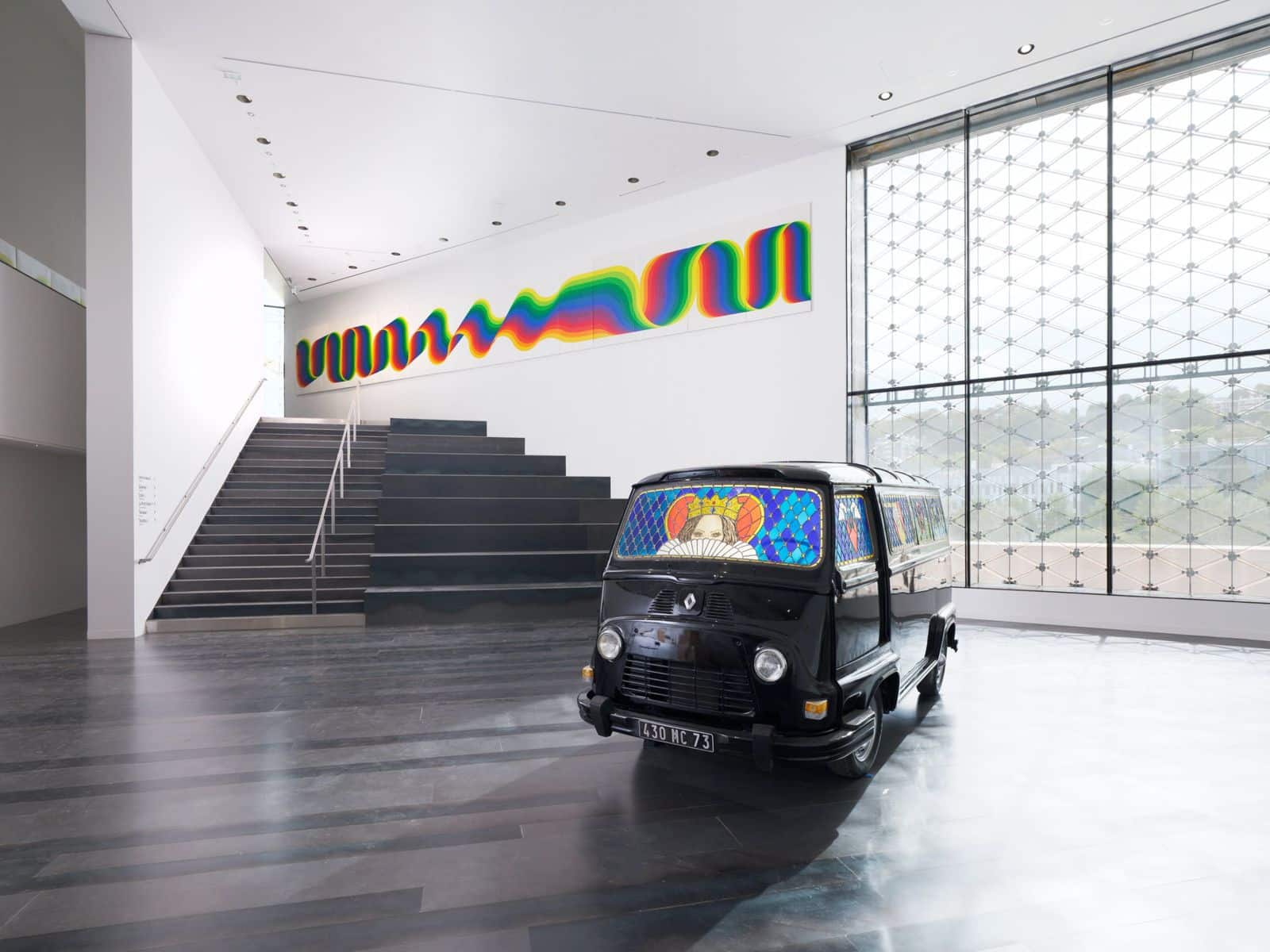
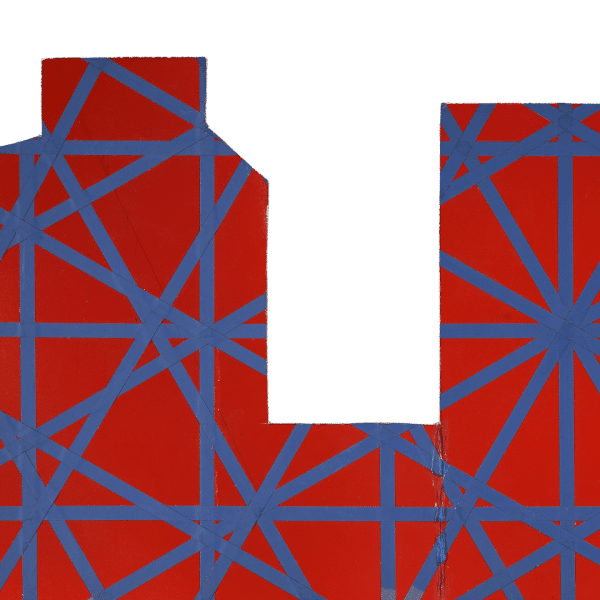
Julio Le Parc, Peintures en frise, 1971–1974. Collection of the Renault Fund for Art and Culture. © Julio Le Parc / ADAGP, Paris 2026
An Architectural Destination on the Seine
The “Large” building was designed by RCR Arquitectes, winners of the 2017 Pritzker Prize, in collaboration with the celebrated French studio CALQ Architecture. Its copper-clad façades, contrasting shapes and generous atrium give it a distinct sculptural presence.
A short distance away, La Seine Musicale, designed by Shigeru Ban and Jean de Gastines, that opened in 2017, offers a very different interpretation of the same landscape. Its auditorium is set on the Seine, with a wooden shell and giant solar sail that extend the island’s relationship with water and light.
These two buildings now stand alongside one another on Île Seguin. Together with the traces of the former Renault factories, they make this treasure a destination for anyone interested in art, architecture and urban transformation.
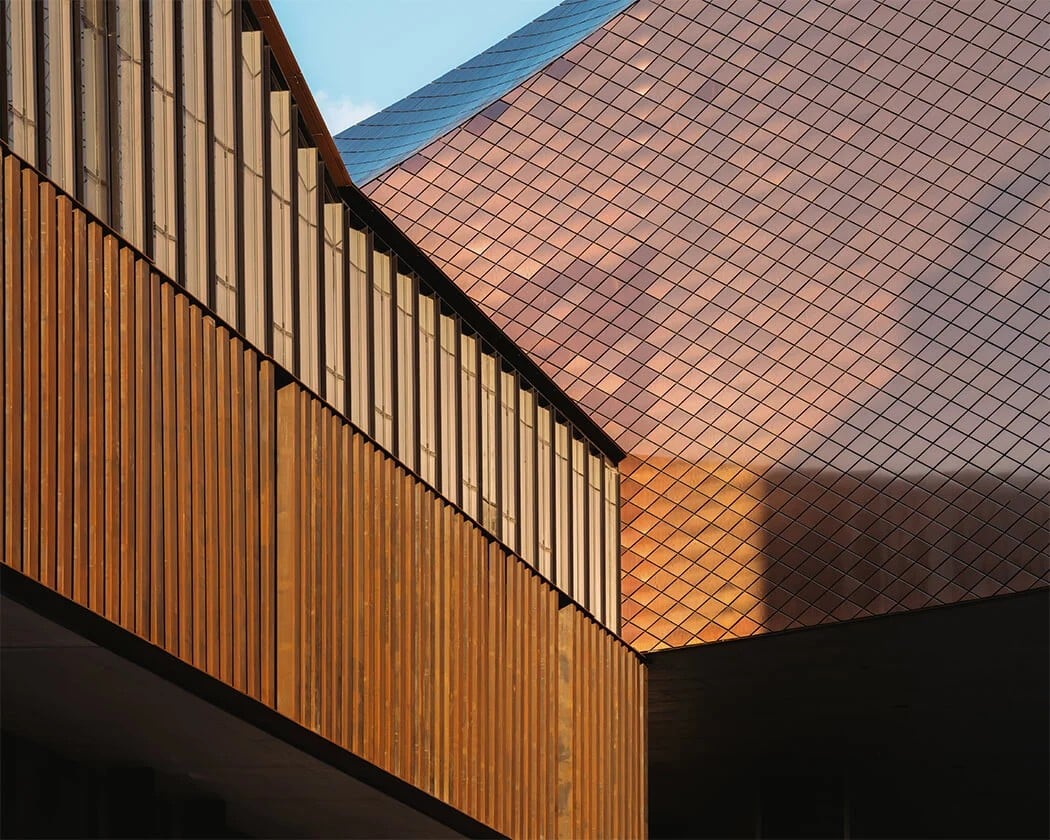
Le Large, Centre d’art de la Pointe des Arts, Île Seguin. RCR Arquitectes, CALQ Architecture. Photograph: Nicolas Trouillard.
A Re-Situ Detour
With Re-Situ, a visit begins not with a checklist of landmarks but with a question: what interests you, and what could we share with you about this city? The answer could take us anywhere in this beautiful, ever-changing city.
Paris, discovered through unique tailor-made tours.