Parisian Utopias : Visions and Projects That Could Have Transformed the City
Behind its iconic landmarks and Haussmannian façades lies another story, that of utopias, the architectural, urbanistic and political visions that never came to life. These unrealised projects reveal a parallel Paris, a dreamed‑of Paris or a nightmarish one, exposing the tensions between modernism and heritage, density and breathing space, order and chaos.

The Plan Voisin
The Modern City Against the Historic City
This is the most famous, and for many, the most alarming, of all unbuilt Parisian projects.
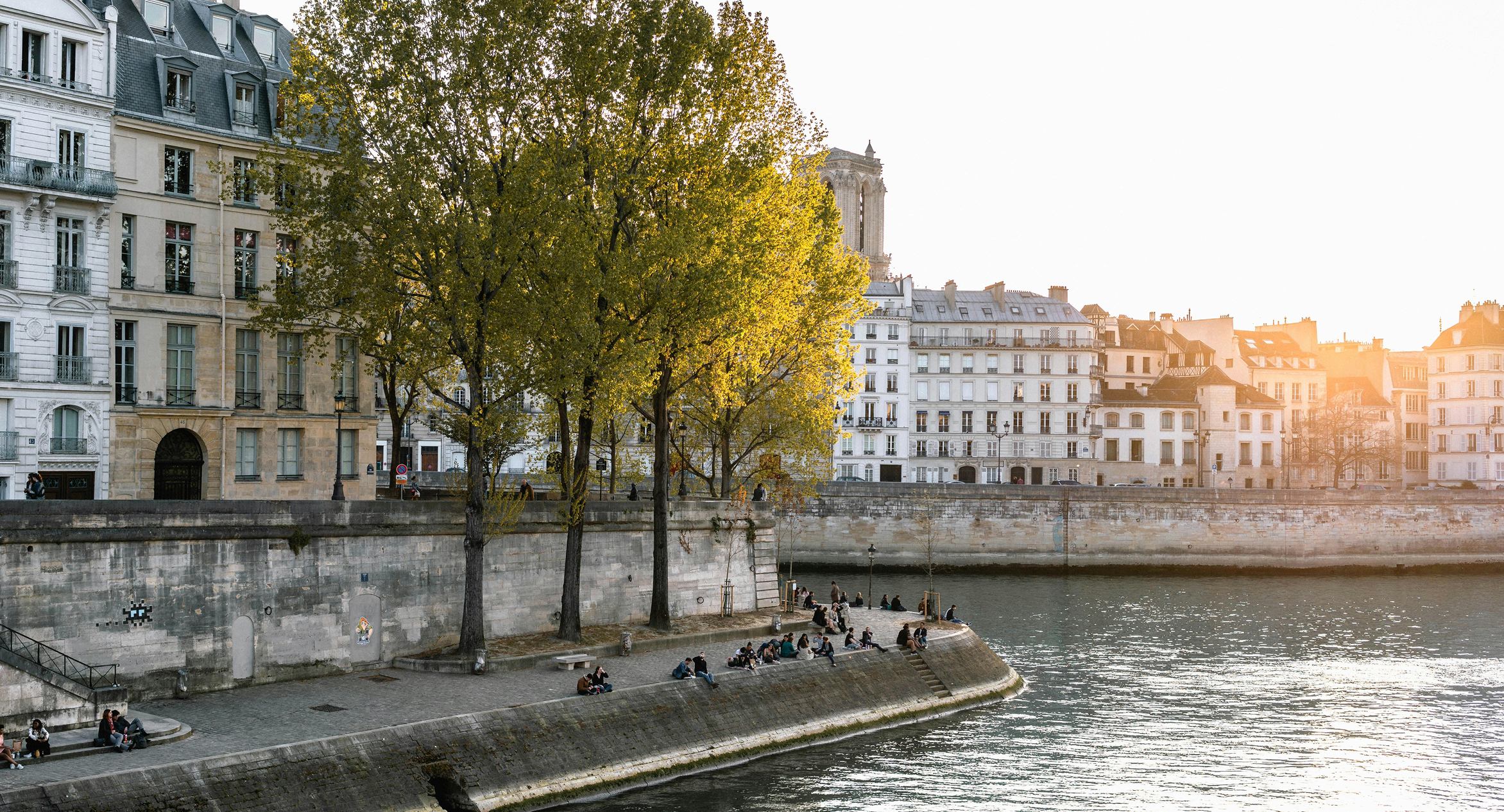
Le Corbusier’s 1925 Plan Voisin was based on a simple radical idea : demolish the historic centre of Paris, including the Marais, and replace it with eighteen 200‑metre‑tall skyscrapers (the height of the existing controversial Montparnasse Tower). His vision was a vertical city organised entirely around the automobile. Paris said no, and in doing so, preserved the soul of the capital. Yet the Plan Voisin profoundly influenced urban thinking in major world cities and fuelled decades of debate about modernity.
Urban Highways : Paris, The European Los Angeles
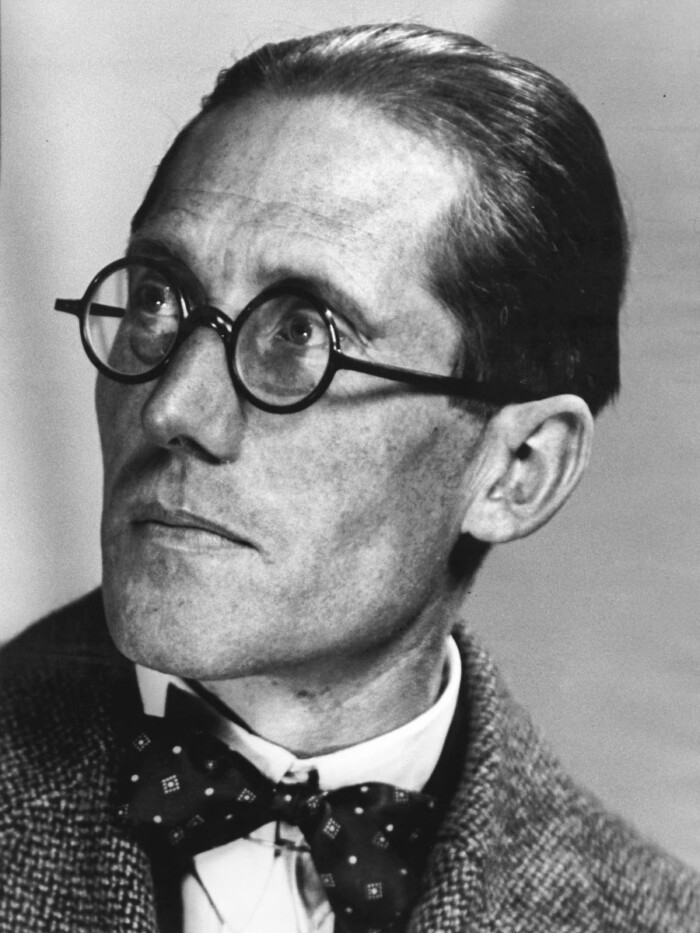
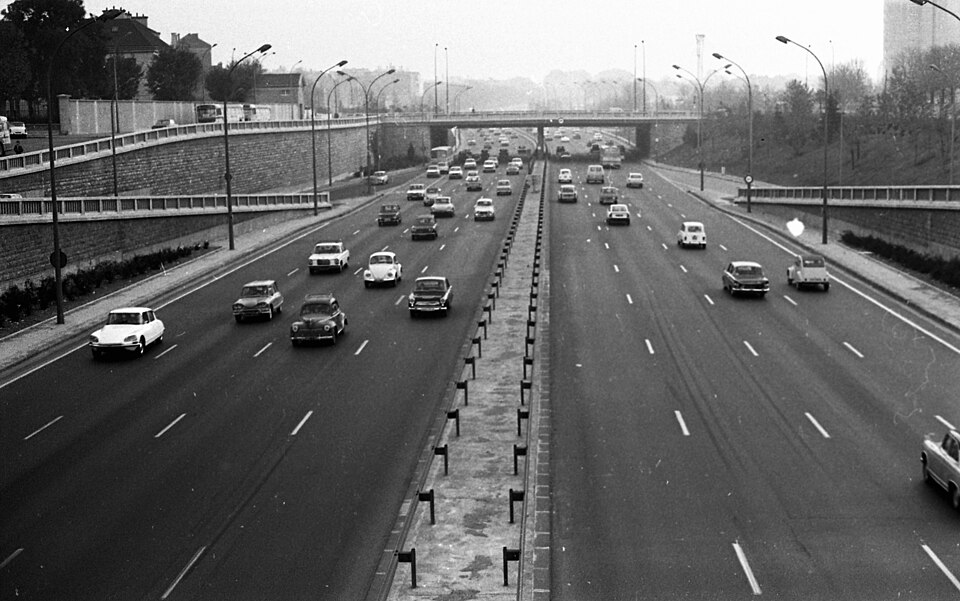
At the height of the post‑war boom, another dream, or nightmare, depending on one’s view, nearly materialised. As President Georges Pompidou famously declared, “the French love their wheels”, the idea emerged to transform Paris into a city‑highway.
Various proposals envisioned digging high‑speed tunnels into the heart of the capital, covering the Seine with interchanges, and turning the riverbanks into expressways. A half‑utopia, since some elements were indeed built : the Périphérique, the riverbank expressways, and the major motorways reaching the city’s gates.
Paris narrowly escaped the construction of radial highways cutting through the centre and the extension of the Left Bank expressway all the way to Concorde.
Since the early 21st century, priorities have reversed : fewer cars, lower speeds, and more pedestrian space. The Right Bank expressway is now fully pedestrian, the Left Bank heavily reduced, speed limits have dropped to 30 km/h, and the city now boasts over 1,000 km of bike lanes.
Towers in the Marais : the Return of the Plan Voisin ?
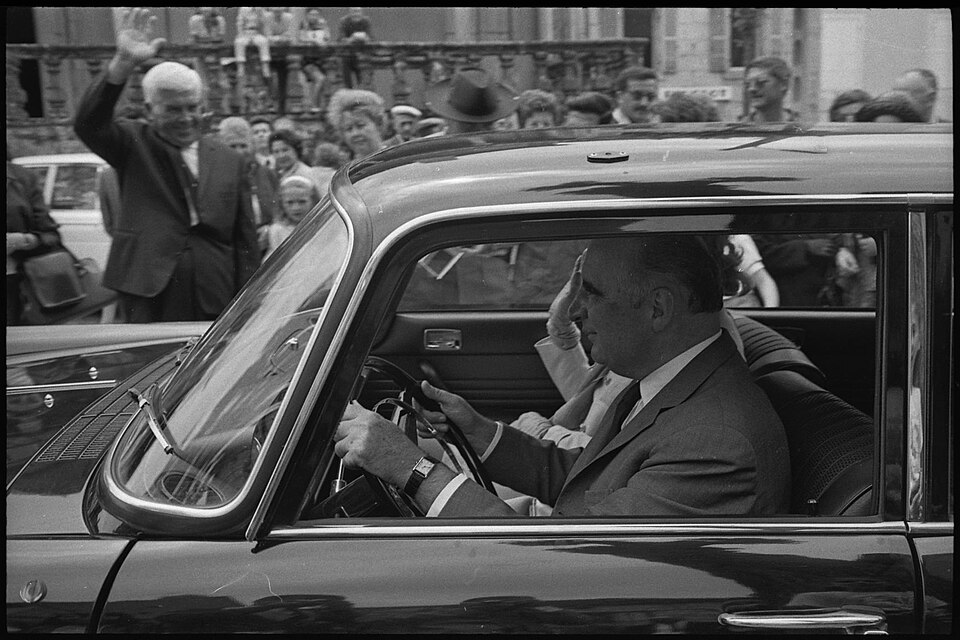
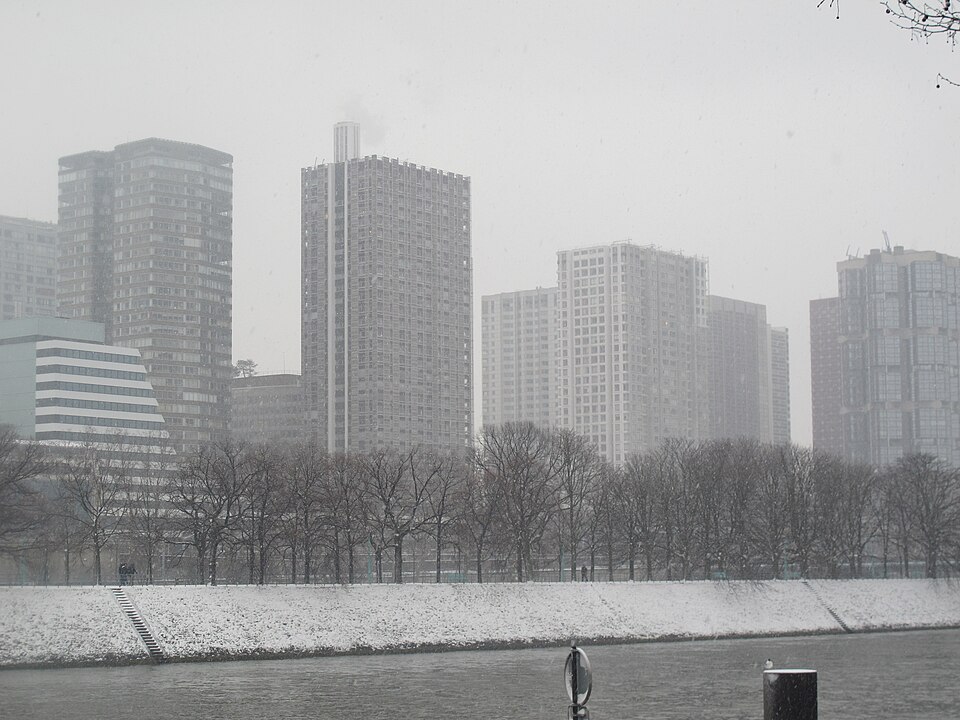
In the 1960s, the Marais was considered insalubrious and devoid of heritage value. Modernist planners saw it as the perfect site to apply their principles : demolish old blocks, build towers and slabs, install elevated pedestrian decks, and run a high‑speed road through the neighbourhood.
Some proposals even envisioned an urban highway crossing the Marais from east to west, extending the riverbank expressway. The area could have become a cluster of towers comparable to La Défense or Beaugrenelle, but in the very heart of Paris.
It was the mobilisation of residents, historians and architects, supported by André Malraux, that halted these plans. In 1964, the Marais became France’s first protected sector, inaugurating the concept of urban heritage. This avoided utopia allowed the rebirth of one of Paris’s most emblematic districts and strengthened the legal framework for heritage protection.
The Aerial Metro of the 19th Century : A Suspended Paris
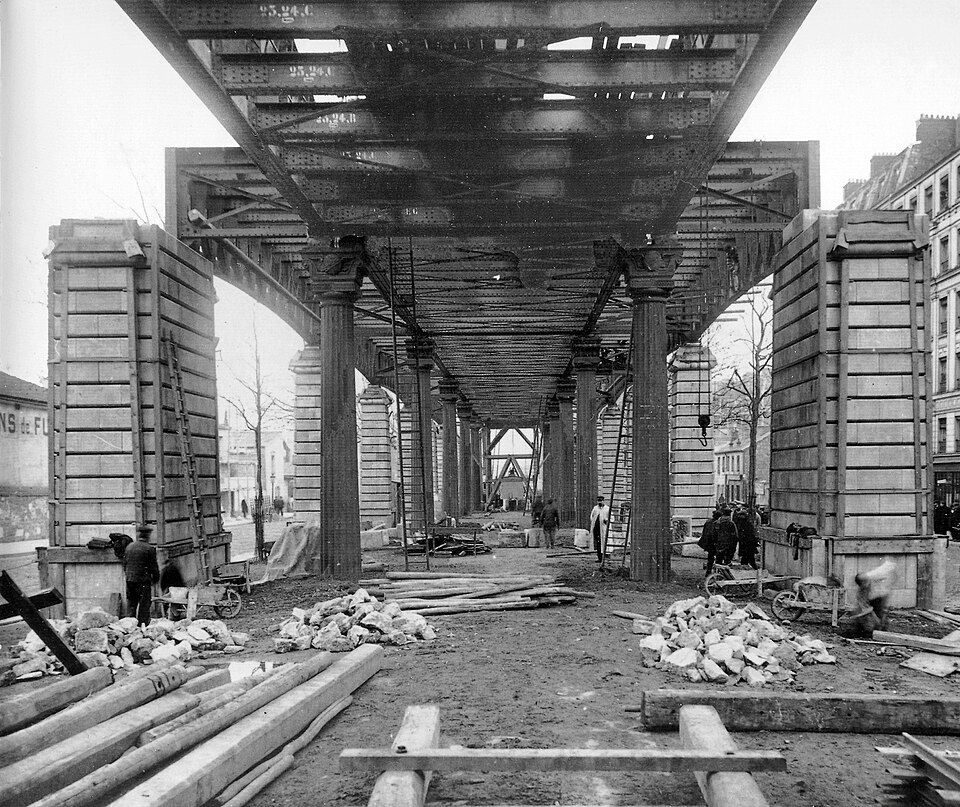
The charm of line 6 crossing the Seine, a favourite spot for tourists, is actually the remnant of a much larger dream : a fully aerial metro network spanning Paris.
In the late 19th century, before the adoption of the underground metro, several engineers imagined a suspended system carried by metal viaducts running above the boulevards, inspired by New York’s elevated lines. Advanced proposals planned aerial routes along the riverbanks, the outer boulevards, and radial axes leading toward the centre.
Only a few sections were built, notably today’s line 6, but the overall project was abandoned for aesthetic, political and acoustic reasons. Parisians feared noise, vibrations, shadows cast by the viaducts, and above all the disfigurement of Haussmannian perspectives.
One can imagine a Paris criss‑crossed by suspended rails, metal walkways and elevated stations, a more industrial, louder, more spectacular city.
The Futurist Projects of the 1960s–1970s : Capsules, Bubbles and Megastructures
Paris could have become a true urban laboratory, echoing the work of the Archigram group or the visions of Yona Friedman.
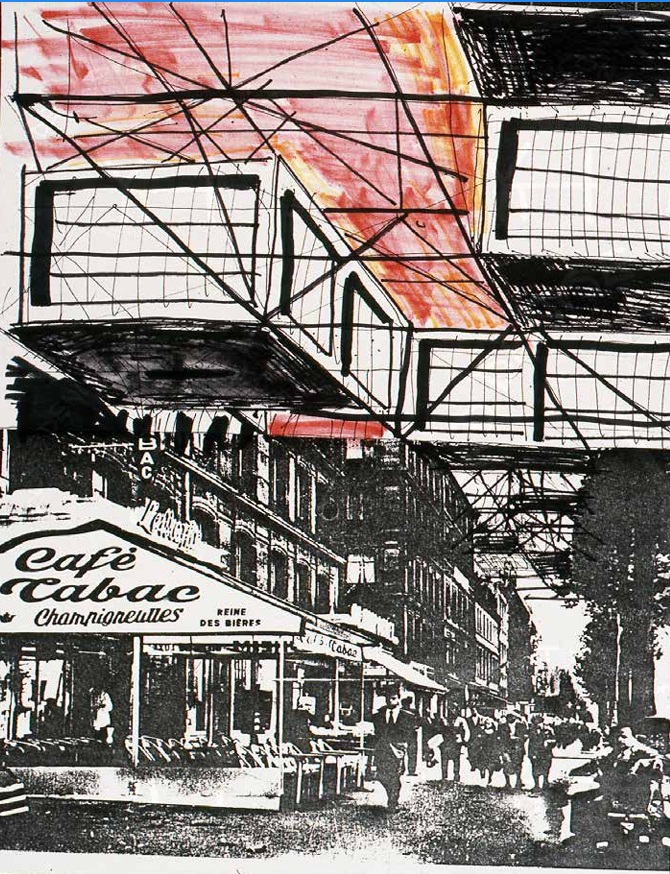
In the 1960s and 1970s, engineers and planners imagined a capital transformed by modular structures, suspended walkways, aerial networks and mobile infrastructures. They dreamed of a flexible, evolving, almost plug‑in city where buildings could be assembled, dismantled, or grafted onto one another.
Some Parisian proposals, a fully aerial metro, elevated pedestrian decks, urban highways, resonated directly with Archigram’s megastructures or Friedman’s “spatial cities”, those lightweight architectures floating above the existing fabric.
Paris could have become a landscape of viaducts, platforms and suspended volumes. These visions never materialised, halted by political, aesthetic and heritage resistance. They reveal a moment when Paris flirted with radical modernity before choosing another way : historical continuity and gentle transformation.
One such proposal was the 1970 project for a suspended pedestrian deck above Les Halles, designed to connect the Marais to Beaubourg via elevated walkways, transforming the neighbourhood into a layered, multi-level city.
Paris has always been too small for its influence, and the metropolitan question is nothing new.
These unrealised projects sparked debates and reflection, and Paris is a city shaped as much by its arguments as by its achievements.
Today, these debates continue through our tours exploring Paris’s architectural evolution.