Paris and the Olympic Games : A Century of Urban Planning, Architecture, and French Ambition
Paris is the city that has hosted the modern Olympic Games more often than any other, three times so far.
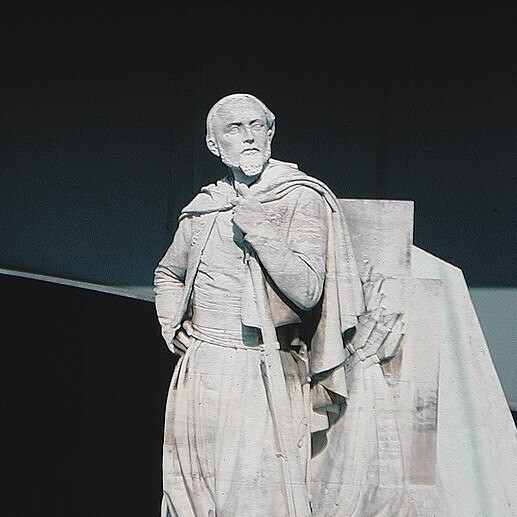
Behind the history of Olympism stands one man, Pierre de Coubertin, the renovator of the Games, convinced of the virtues of sport as a universal language and a tool for peace.
The three Parisian editions, 1900, 1924, and 2024, tell three moments in the life of the capital, three visions of modernity, and three ways of rethinking the city.
Understanding these transformations deepens any walk through the city—explore more stories in our Paris journal.
1900 : Paris as a World Showcase
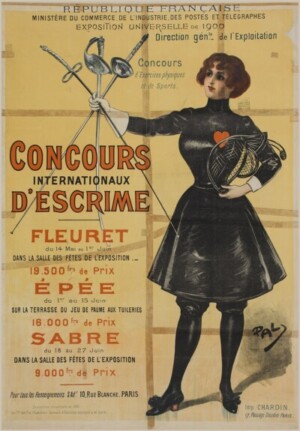
The Olympic Games and the Exposition Universelle
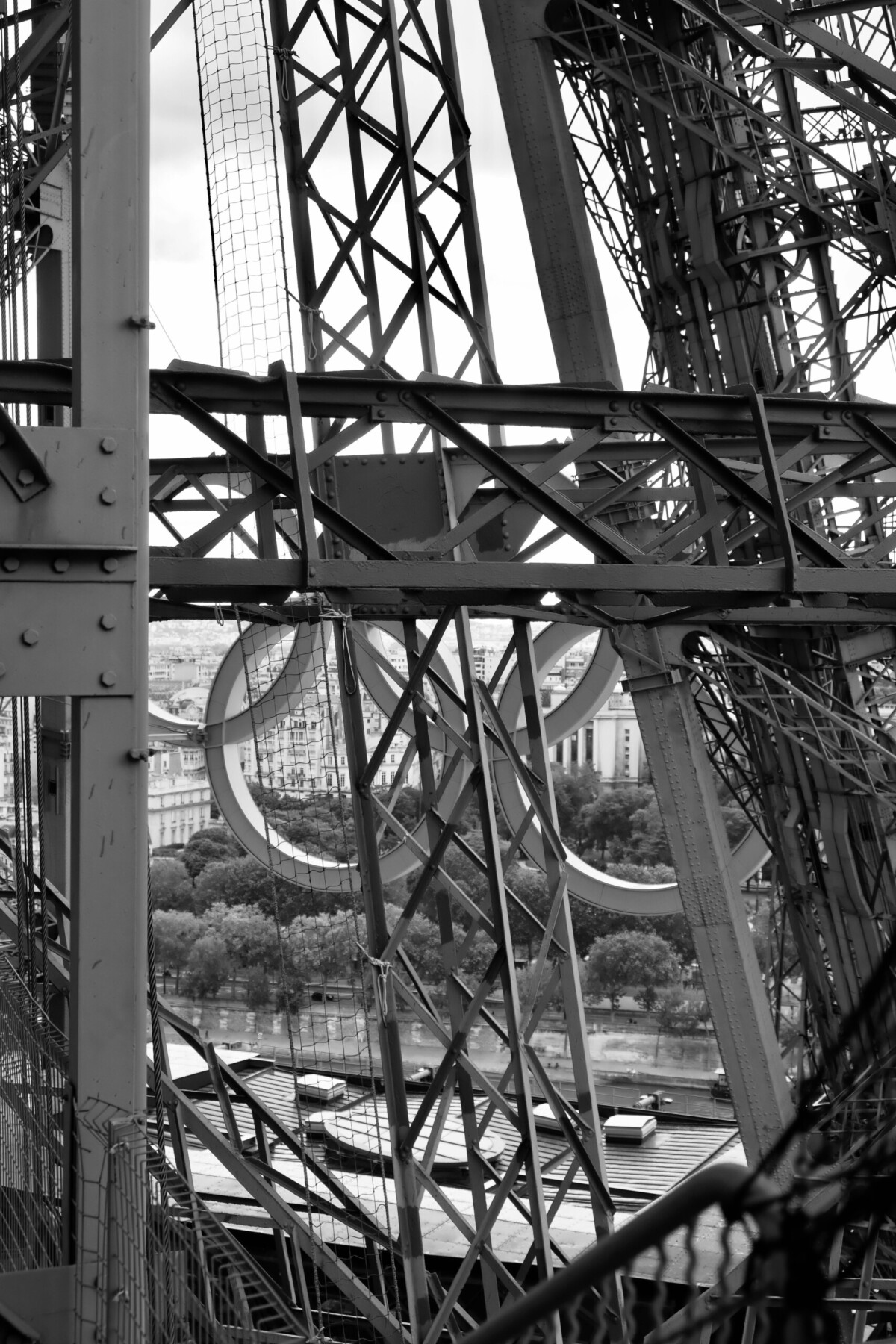
The 1900 Games were not an autonomous sporting event. They were submerged within the gigantic Exposition Universelle, a celebration of progress that attracted more than 50 million visitors. The Eiffel Tower was still young, dominating an urban landscape eager to appear resolutely modern. Haussmann’s works had reshaped the city, and previous world fairs had established a culture of architectural innovation.
The number of sporting events was limited, and sometimes surprising : cannon shooting, underwater swimming, tug‑of‑war, or even a dirigible balloon event. These competitions took place in existing locations, the Seine, the Bois de Boulogne, and the Bois de Vincennes.
No specific Olympic constructions were built, but the Games benefited from infrastructure created for the Exposition Universelle : Métro Line 1, allowing travel across Paris from east to west (and therefore close to both woods), electric lighting, and other improvements that made life easier for spectators.
In 1900, Paris did not build, it staged itself.
1924 : A Capital Building for the Long Term
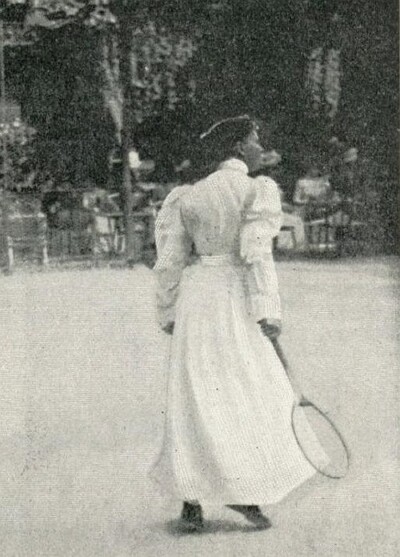
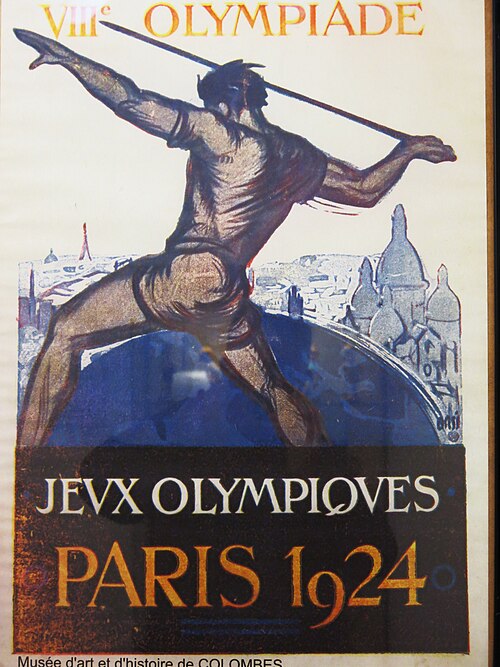
A quarter of a century later, the tone changed. These Games of the VIII Olympiad were no longer the appendix of a larger event, they became an urban project.
France was emerging from the First World War, healing its wounds and eager to show it could rise again. It needed to modernize its infrastructure through a capital once again acting as a beacon, capable of competing with London, Berlin, or New York.
The first innovation was the construction of an Olympic Village, the first of its kind, which would later become mandatory for all host cities. It was not yet a permanent construction but a functional complex near the Colombes stadium, offering athletes comfort and services : heated dormitories, infirmaries, rest rooms, a barber, postal services…
The goal was above all logistical, avoiding the dispersion of athletes across Paris and long travel times. These Olympic Villages, later mandatory, would often become central to the planning of future Games.
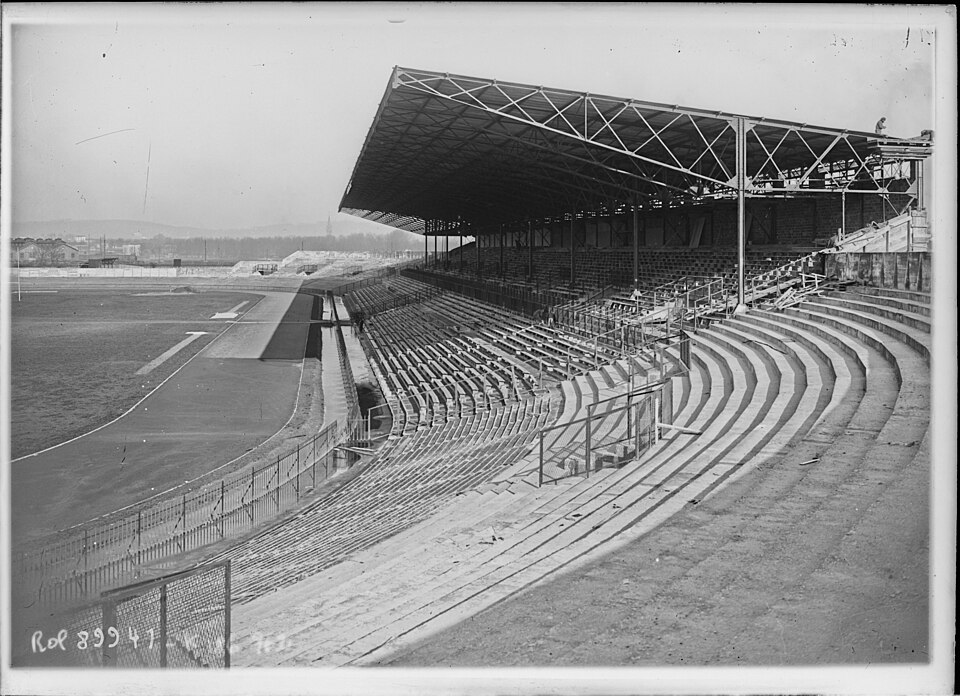
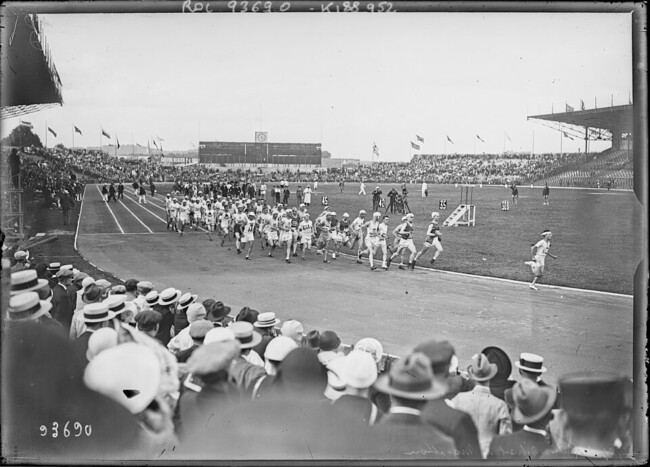
Nothing makes history like a record. Built in 1907, the Colombes Stadium was renovated and its capacity increased to 45,000 seats, a world record. It was also equipped with an athletics track. Renamed Stade Yves‑du‑Manoir, it became the temple of French sport for decades. Still in use today, it hosted the field hockey events of Paris 2024.
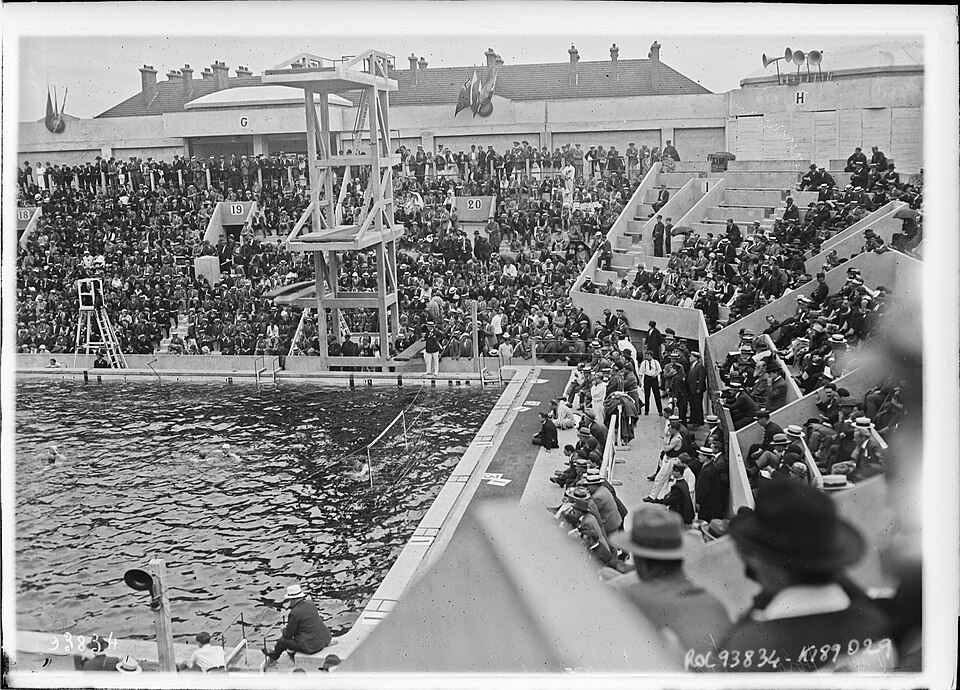
Paris 1924 also enabled the renovation and construction of swimming facilities. Swimming was one of the pillars of the sports policy dear to Pierre de Coubertin, sport as an educational tool.
It was, however, a future American, Johnny Weissmuller, then stateless, who triumphed in the pools with three gold medals. His Olympic feats are often associated with the famous Molitor pool. Weissmuller would later become Hollywood’s most famous Tarzan, starring in twelve films between 1932 and 1948. He did swim at Molitor, but only in 1929 for its inauguration. The 1924 events took place at the Piscine des Tourelles in the 20th arrondissement.
The organisers created a network of new or modernised facilities. The goal was clear : these infrastructures had to support sports federations and schools after the Games.
The western part of Paris was strengthened as a metropolitan sports hub. Colombes was the epicentre of these Games, and as a result, road and rail infrastructure was improved and calibrated to absorb the flow of visitors.
Where the 1900 Games relied on the monumental setting of the Exposition Universelle, the 1924 edition prioritised efficiency and durability.
France entered the era of organised sport. Permanent facilities supported the political ambition of making sport a national priority. Shortly after these Games, two new Parisian temples appeared : Roland‑Garros Stadium and the iconic Piscine Molitor.
2024 : Legacy and an Accelerator for the Grand Paris
Paris was awarded the Games of the XXXIII Olympiad in a particular context. Except for Barcelona in 1992 and London in 2012, two editions that allowed their cities to rethink their urban planning, too many host cities had built costly venues later abandoned or underused.
These Games had to be the Games of sobriety : renovating and using existing infrastructure rather than building sites with no post‑Olympic purpose.
They also offered an opportunity to accelerate the development of the Grand Paris, particularly north of the capital.
This northern transformation had begun decades earlier with the construction of the Stade de France in 1998, built for the FIFA World Cup. The 80,000-seat stadium became the cornerstone of Saint-Denis’s sporting identity and served as the main venue for athletics and ceremonies during the 2024 Games.
The Olympic Village : An Eco‑District in the Heart of Seine‑Saint‑Denis
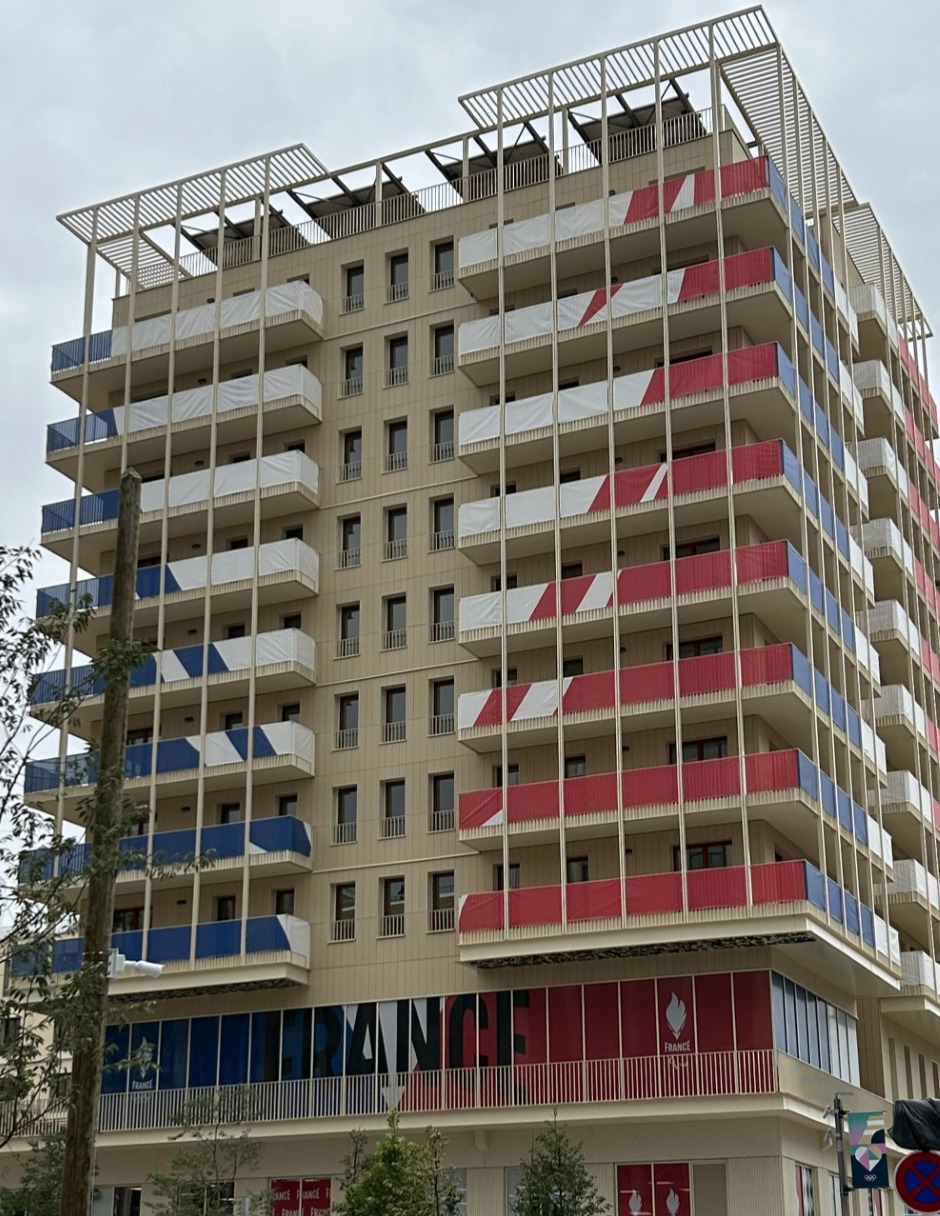
Saint‑Denis and Saint‑Ouen hosted the Olympic Village, designed as a real urban neighbourhood that would serve as the athletes’ village during the Games. After the Olympics, the village welcomes 6,000 residents, 2,500 jobs, schools, and nurseries.
The codes of the Grand Paris are applied : low‑carbon construction, timber structures, green roofs, optimised water management, and social and functional diversity.
The Village is an urban project before a sporting one.
Paris as a Living Stage
Paris, often described as a museum city, also turned itself into a spectacular stage, offering athletes a unique experience and the world unforgettable images :
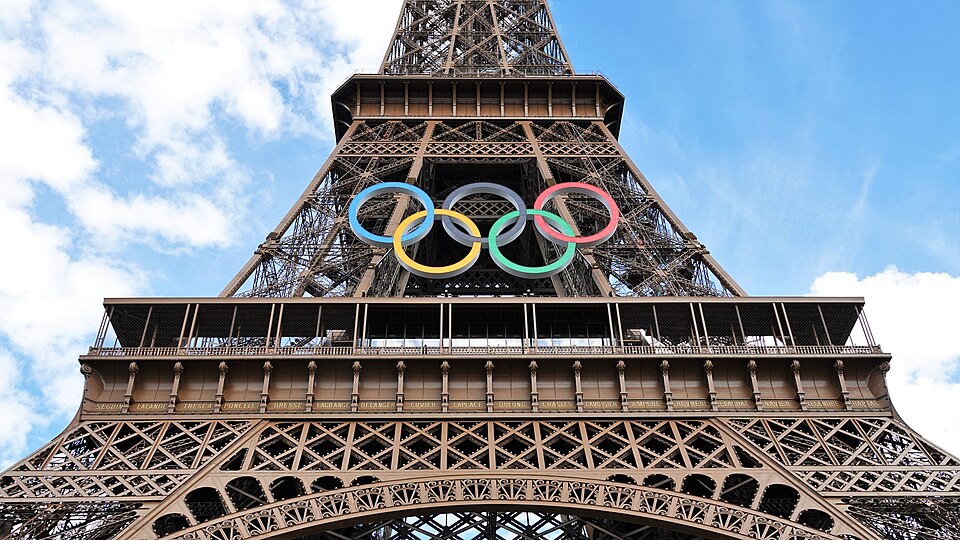
beach volleyball at the foot of the Eiffel Tower, skateboarding at Place de la Concorde, swimming in the Seine, fencing in the Grand Palais…
Highlights included equestrian events in the gardens of the Château de Versailles and the cycling race passing through Montmartre.
Paris 2024 even extended to Marseille for sailing and to Tahiti for surfing.
Few new constructions, an acceleration of the Grand Paris, and the renovation of iconic sites, this Olympiad became a lever for ecological, social, and territorial transition.
In 1900, Paris showed itself to the world.
In 1924, it built to last and support sporting practice.
In 2024, it reinvented itself as a sustainable metropolis, balancing tradition and modernity.