The Meaning Behind the Names of Paris’s 20 Arrondissements
1st arrondissement — Louvre
2nd arrondissement — Bourse
Louvre
Named after the Palais du Louvre, the medieval fortress turned royal residence and now the world’s most visited museum.
Despite the constant flow of tourists, the 1st has a real neighborhood life: local cafés, small shops, quiet courtyards.
It’s one of my favorite arrondissements because it balances global prestige with an unexpectedly intimate daily rhythm.
Walking here means walking through the origins of Paris as a capital, and through a district that still feels like a village.
Bourse
Named after the Paris Stock Exchange, housed in the Palais Brongniart.
Historically shaped by finance, printing houses, and early capitalism, the 2nd also has a softer side.
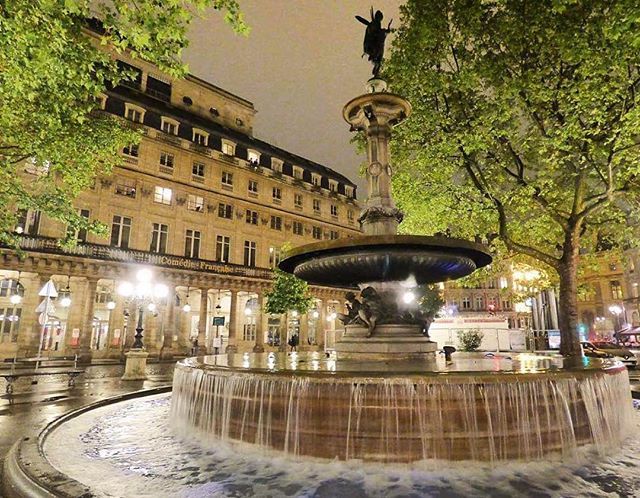
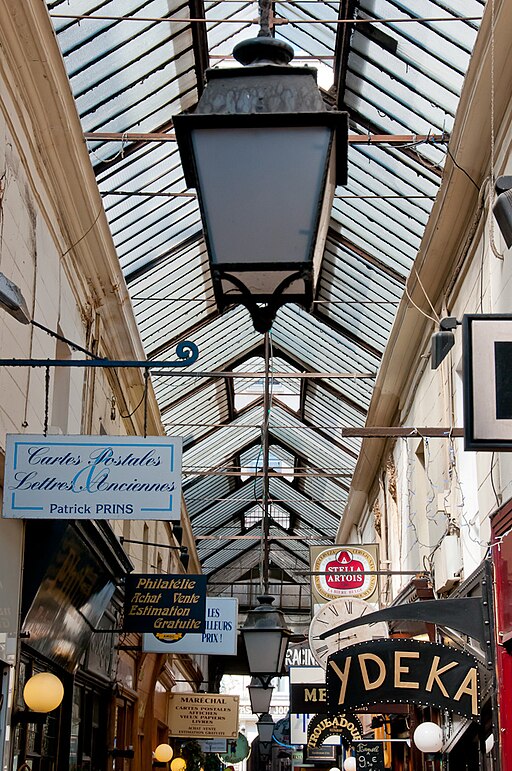
Its covered passages, small theaters, and narrow streets give it a slightly retro, 19th‑century atmosphere.
A district where commerce, craftsmanship, and nostalgia coexist.
3rd arrondissement — Temple
4th arrondissement — Hôtel de Ville
Temple
A reference to the Knights Templar, whose fortified enclosure once dominated the area.
Today, the 3rd is both historic and creative: hôtels particuliers, museums, archives, galleries, and studios.
It’s a district where medieval traces meet contemporary design — a place where the past and present genuinely speak to each other. One of the most vibrant districts in Paris.
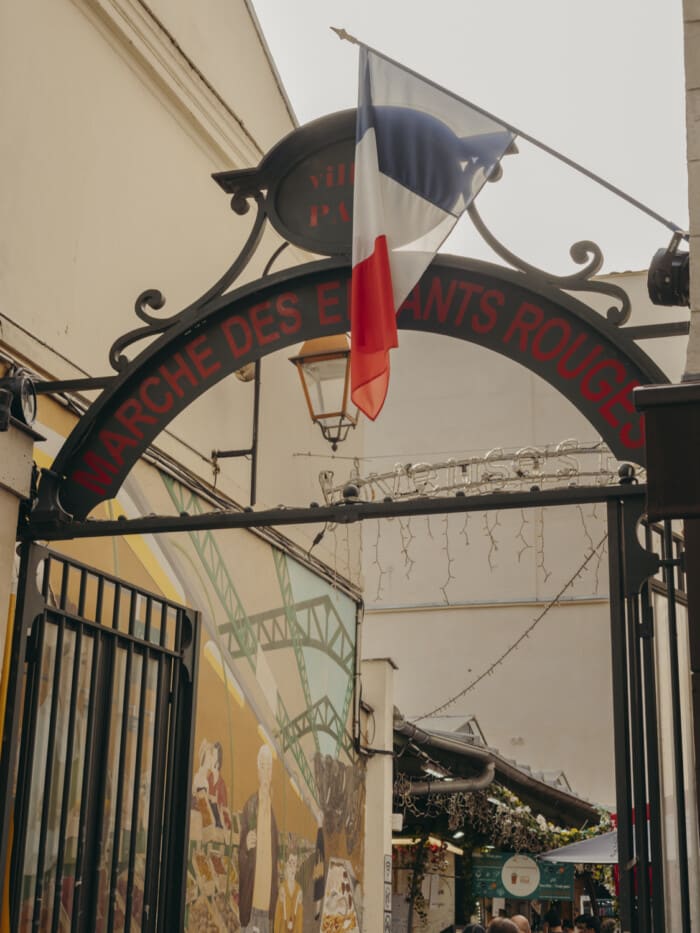
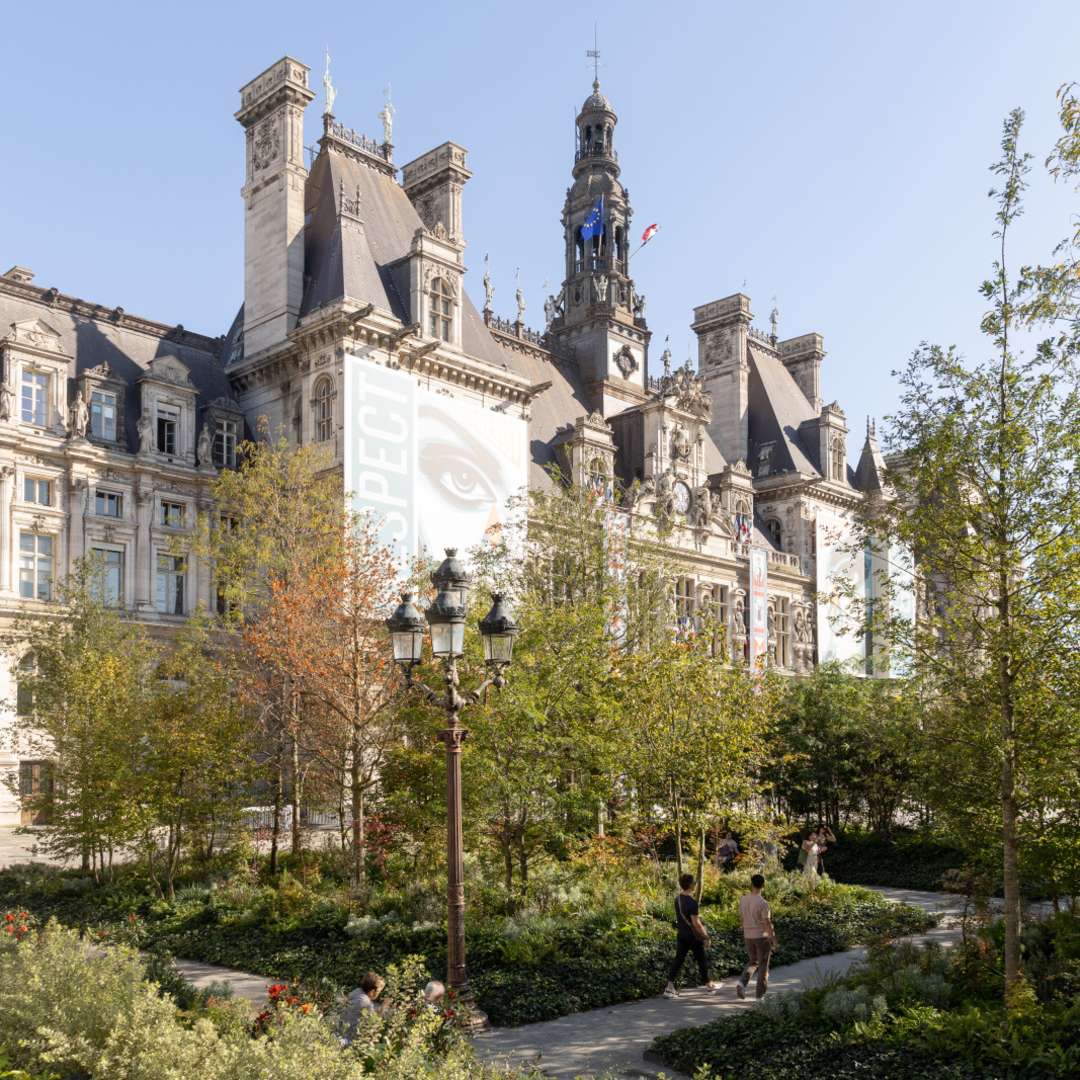
Hôtel de Ville
Named after the City Hall, seat of municipal power since the Middle Ages.
The 4th is the heart of the Marais, with timeless streets, courtyards, and façades that seem to have escaped the centuries.
Jewish heritage, LGBTQ+ culture, and historical architecture form a unique, layered identity.
An arrondissement that feels truly timeless.
5th arrondissement — Panthéon
6th arrondissement — Luxembourg
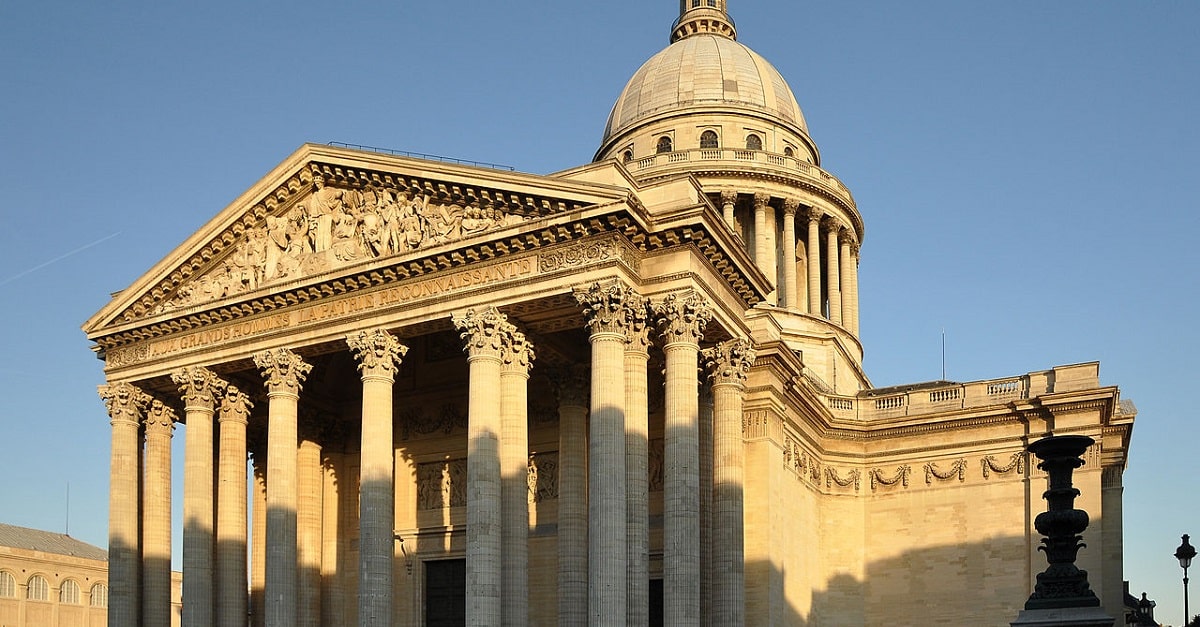
Panthéon
Named after the Panthéon, a monument of national memory.
The 5th is one of the oldest parts of Paris: Roman arenas (Arènes de Lutèce), medieval colleges, the Sorbonne, and the whole tradition of the Latin Quarter.
A district that is at once historic, scholarly, and eternally youthful, shaped by students and centuries of intellectual life.
A Paris that never goes out of style.
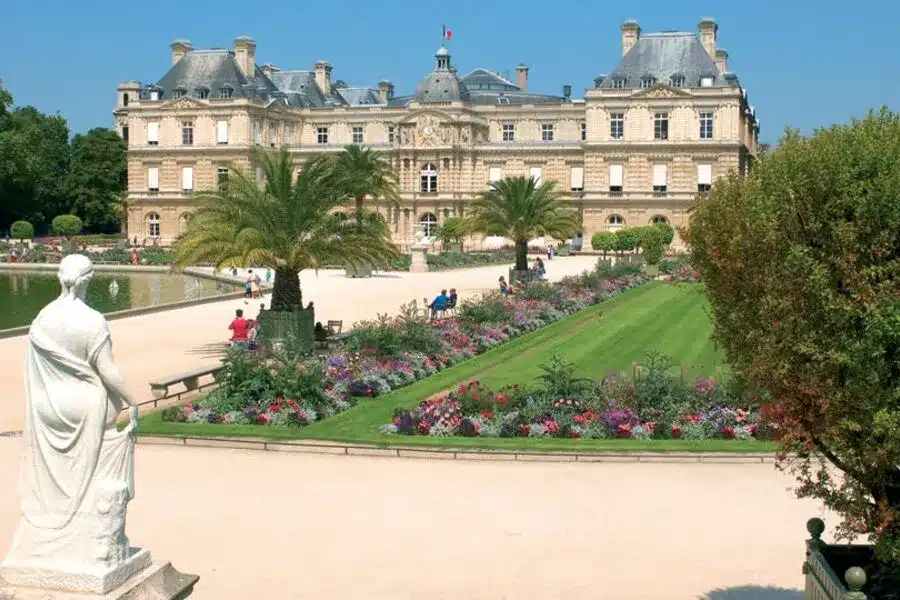
Luxembourg
Named after the Luxembourg Palace and Gardens, commissioned by Marie de Médicis in the early seventeenth century.
The 6th blends aristocratic heritage, literary cafés, galleries, and quiet residential streets.
It embodies an elegant, cultivated Left Bank atmosphere — refined but never static.
A district where history and daily life merge naturally.
7th arrondissement — Palais Bourbon
8th arrondissement — Élysée
Palais Bourbon
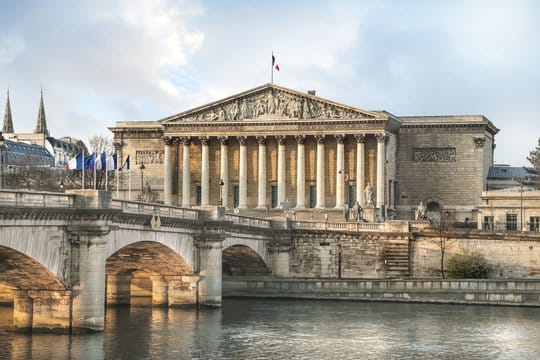
Named after the Palais Bourbon, home of the National Assembly.
The 7th is an arrondissement of power: ministries, embassies, institutions, and monumental perspectives.
But it is also home to major museums and calm residential streets.
A Paris that is both official and deeply lived‑in.
Élysée
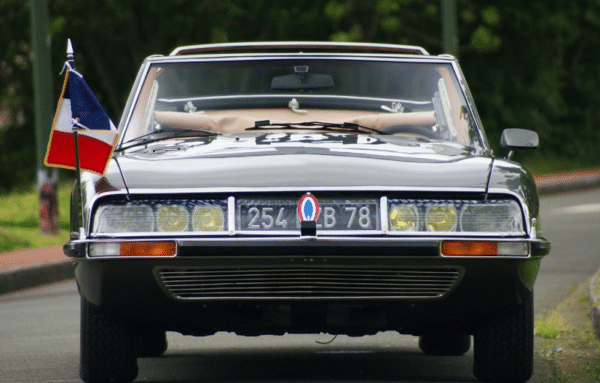
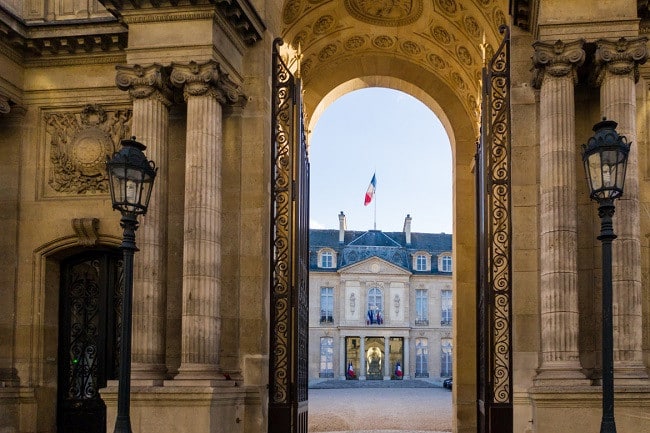
Named after the Palais de l’Élysée, residence of the French President.
The 8th combines political prestige, luxury, and grand boulevards.
Champs‑Élysées, Madeleine, Parc Monceau — a mix of monumental avenues and high-society Paris.
A district shaped by ceremony, commerce, and spectacle.
9th arrondissement — Opéra
10th arrondissement — Entrepôt
Opéra
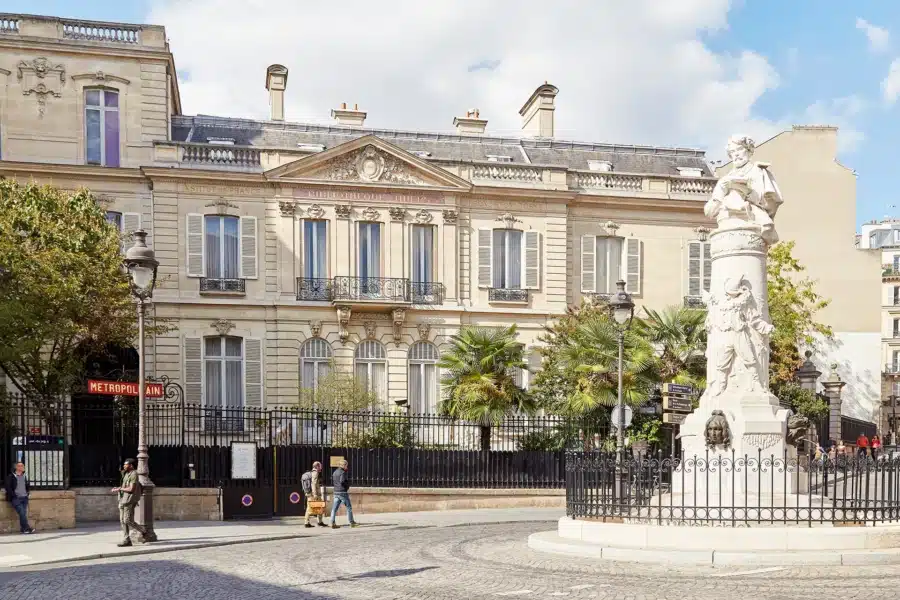
Named after the Opéra Garnier, a masterpiece of 19th‑century architecture.
The 9th is an arrondissement of theaters, grands magasins, and lively boulevards.
It retains a very Parisian energy: cultural, bustling, and architecturally expressive.
A district where Haussmann’s vision is still fully visible.
Entrepôt
The name also recalls the former Saint-Laurent parish, once enclosed by walls.
The 10th is shaped by movement: two major train stations, migrations, and constant flows.
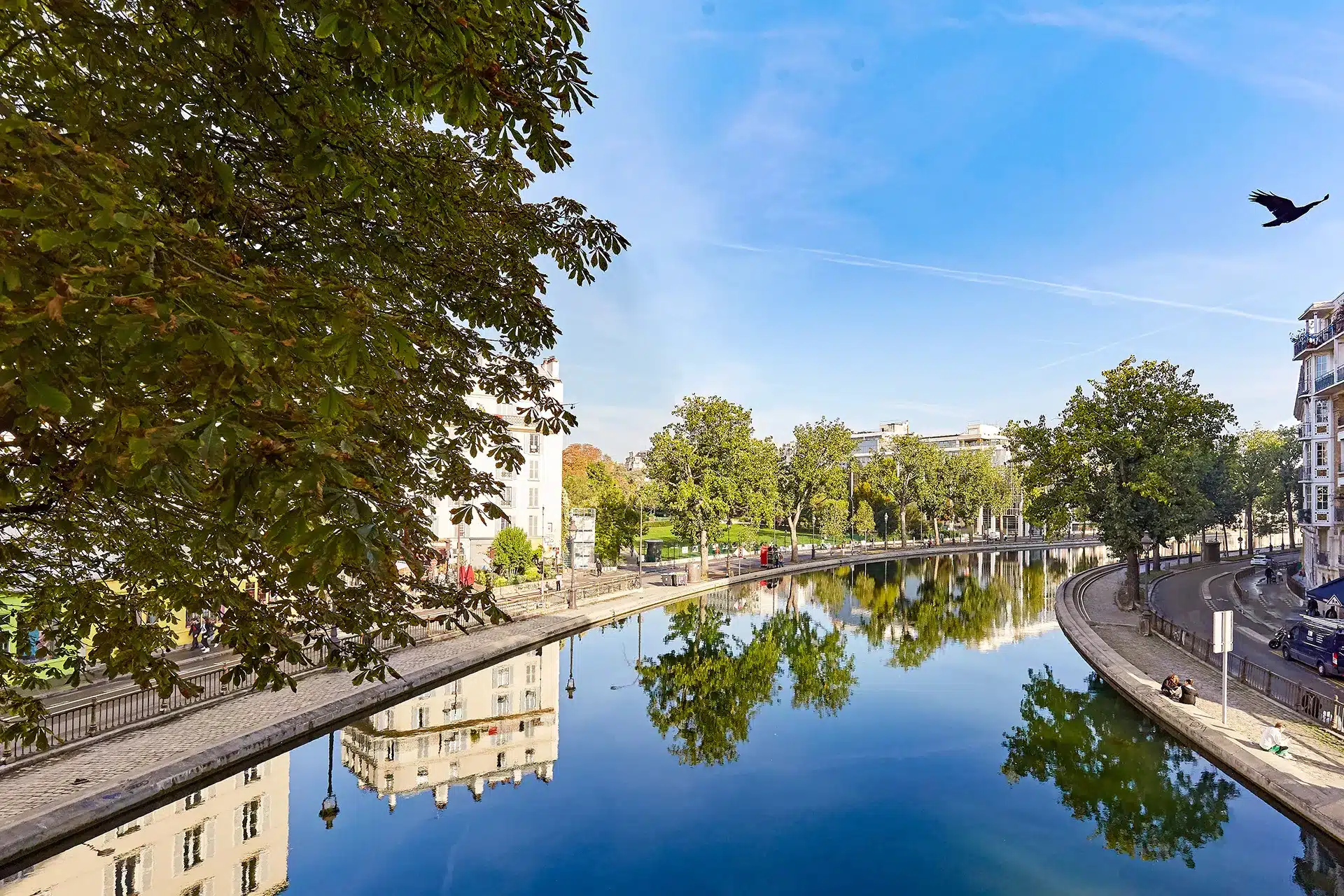
Around the Canal Saint‑Martin, the atmosphere becomes softer, almost village‑like.
A district where Paris’s popular history remains very present.
11th arrondissement — Popincourt
12th arrondissement — Reuilly
Popincourt
Named after the medieval seigneurie de Popincourt, later absorbed by Paris.
The 11th is an arrondissement of artisans, workshops, revolutions, and nightlife.
Dense, lively, and creative, it has kept its working‑class energy.
A district where the social heart of Paris still beats strongly.
Reuilly
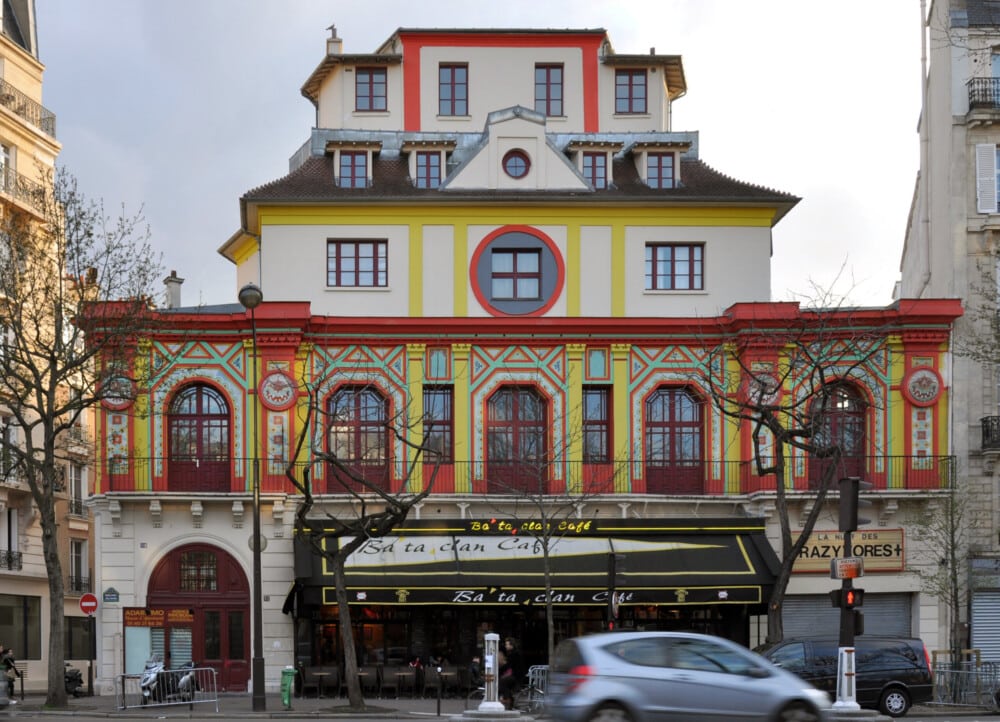
Named after the ancient village of Reuilly, once covered in vineyards.
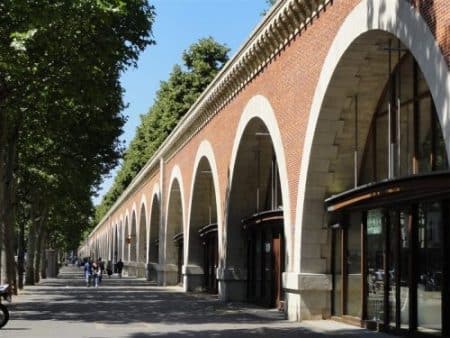
The 12th is an arrondissement of gateways — Gare de Lyon, the Bois de Vincennes and major transport infrastructure.
But it also offers parks, green corridors, and quiet residential streets.
A more open, airy Paris, oriented toward the east.
13th arrondissement — Gobelins
14th arrondissement — Observatoire
Gobelins
Named after the Gobelins tapestry manufactory, one of the enduring symbols of French craftsmanship.
The 13th is an arrondissement of industry, innovation, and transformation.
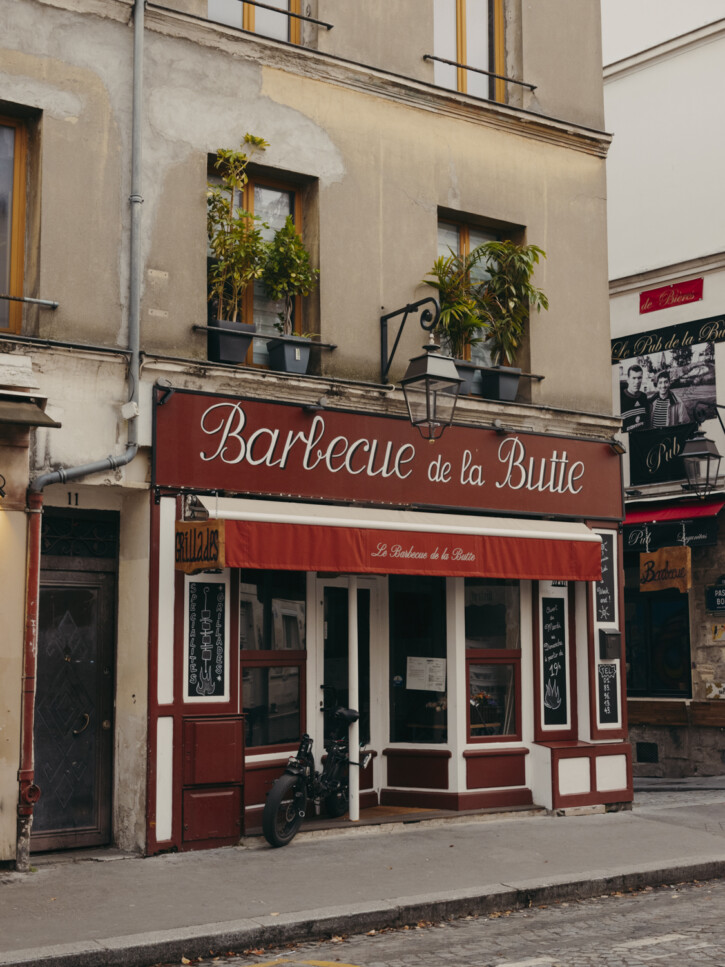
From the Butte‑aux‑Cailles to the Bibliothèque François‑Mitterrand, it embodies a Paris in constant reinvention.
A true urban laboratory.
Observatoire
Named after the Paris Observatory, one of Europe’s oldest observatories.
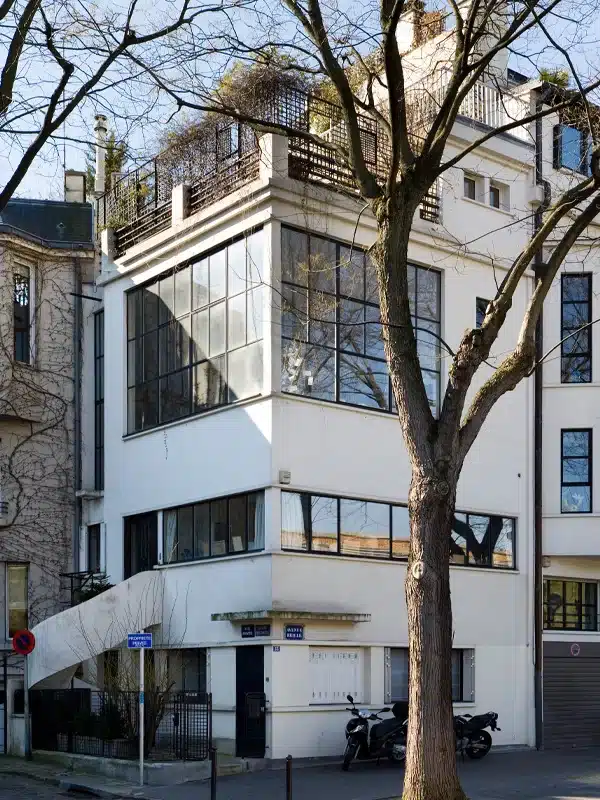
The 14th blends science, hospitals, artist studios, and the legacy of Montparnasse.
It retains a quiet, slightly bohemian atmosphere.
A structured yet creative Paris.
15th arrondissement — Vaugirard
16th arrondissement — Passy
Vaugirard
Named after the medieval village of Vaugirard, traditionally associated with the meaning “the valley of Girard”.
The 15th is residential, spacious, and dotted with workshops, parks, and calm streets.
It still carries something of the village it once was.
A district where people live more than they visit.
Passy
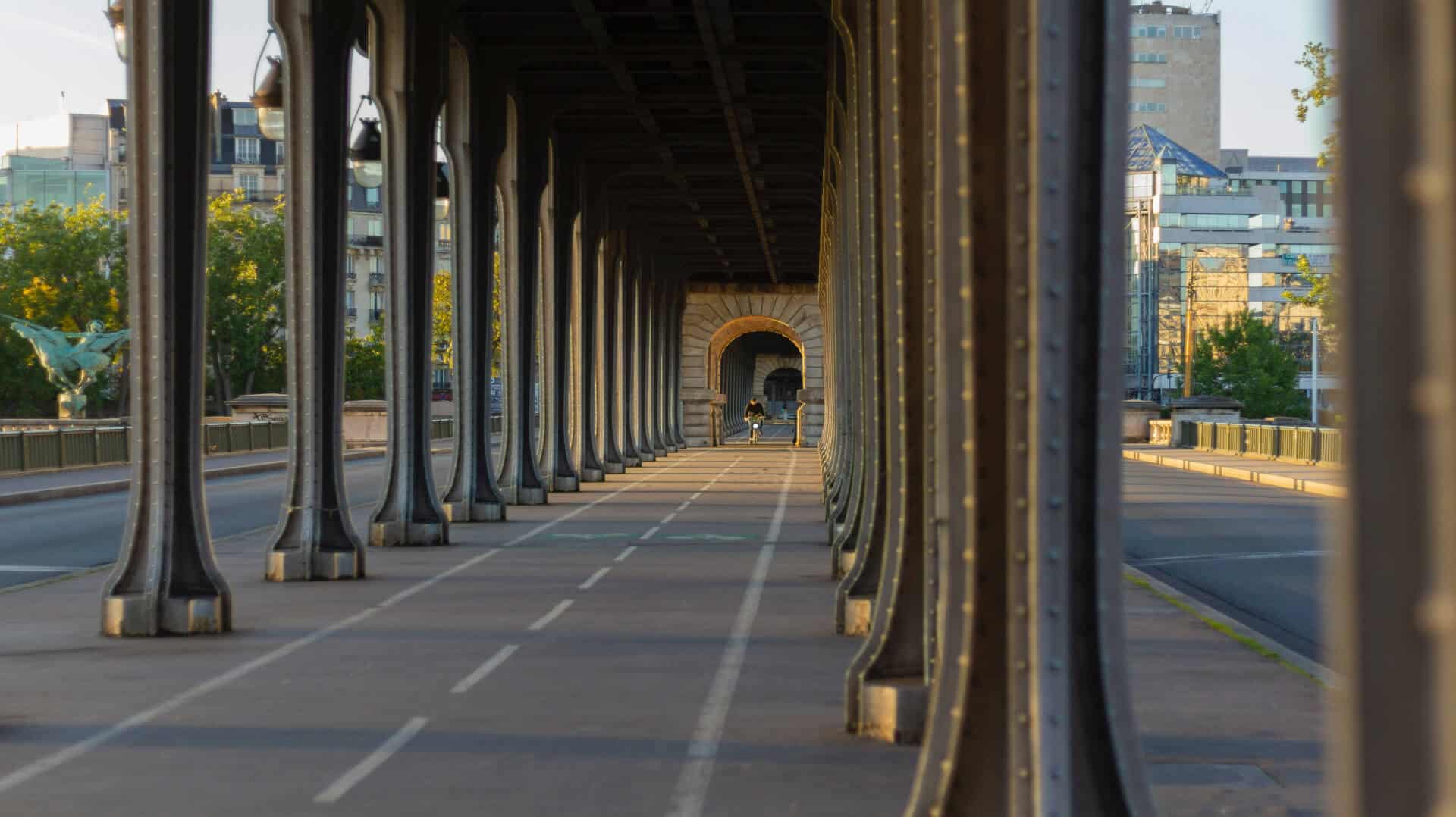
Named after the former village of Passy, known for its springs and villas.
The 16th is an arrondissement of embassies, museums, and leafy avenues.
Elegant, quiet, and green, with spectacular views over the Seine and the Eiffel Tower.
A sophisticated, spacious Paris.
17th arrondissement — Batignolles-Monceau
18th arrondissement — Butte-Montmartre
Batignolles
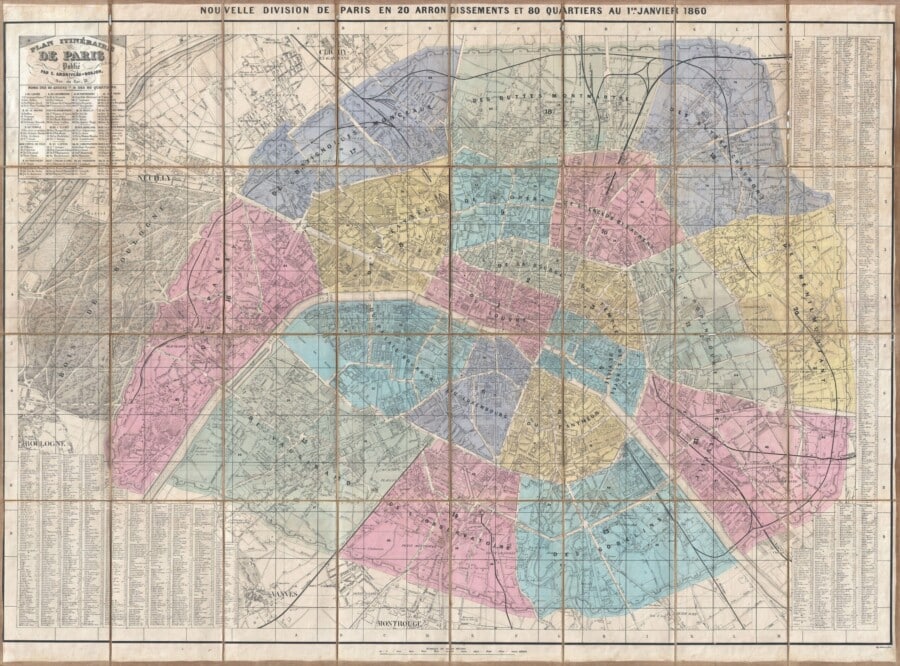
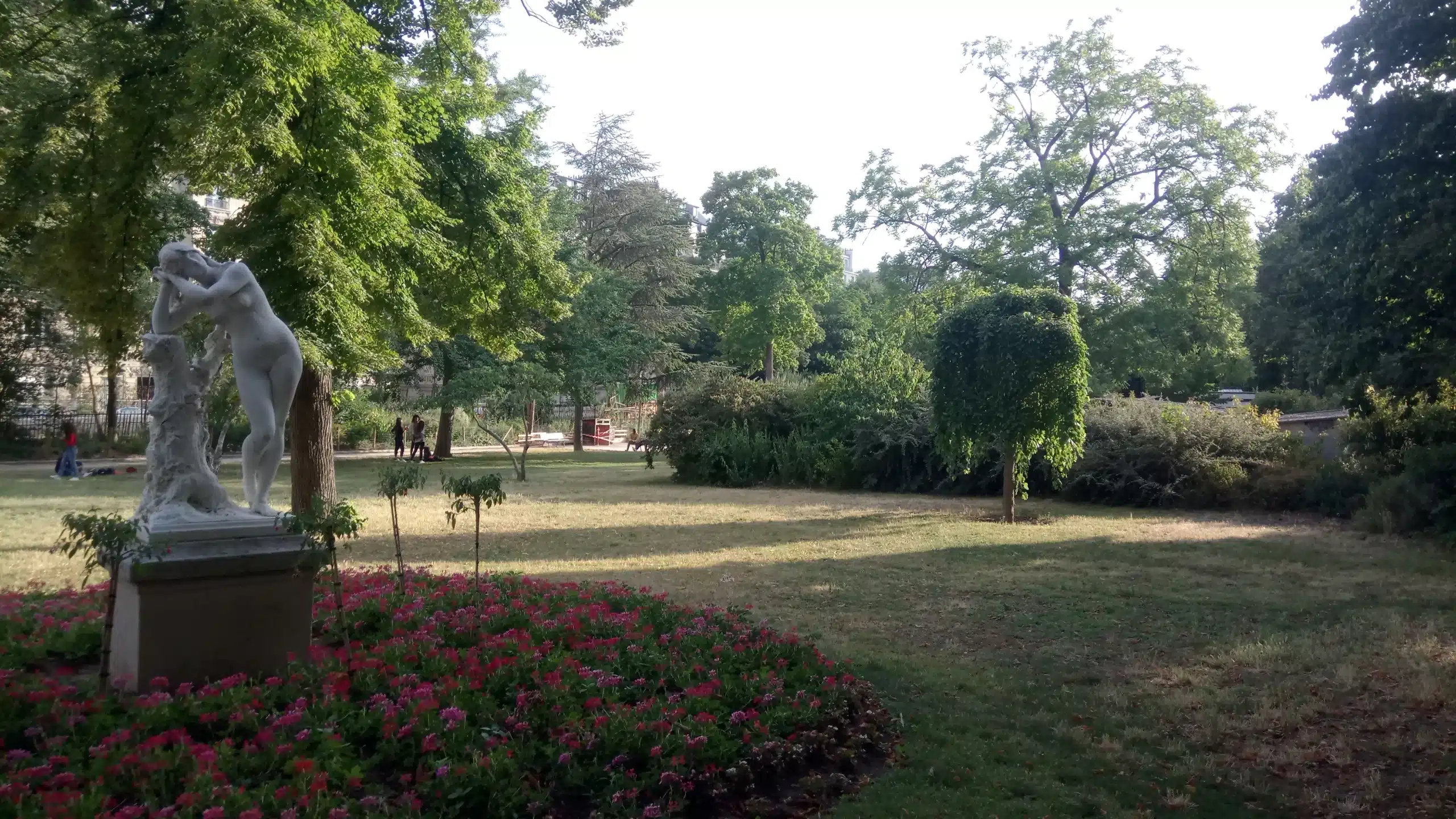
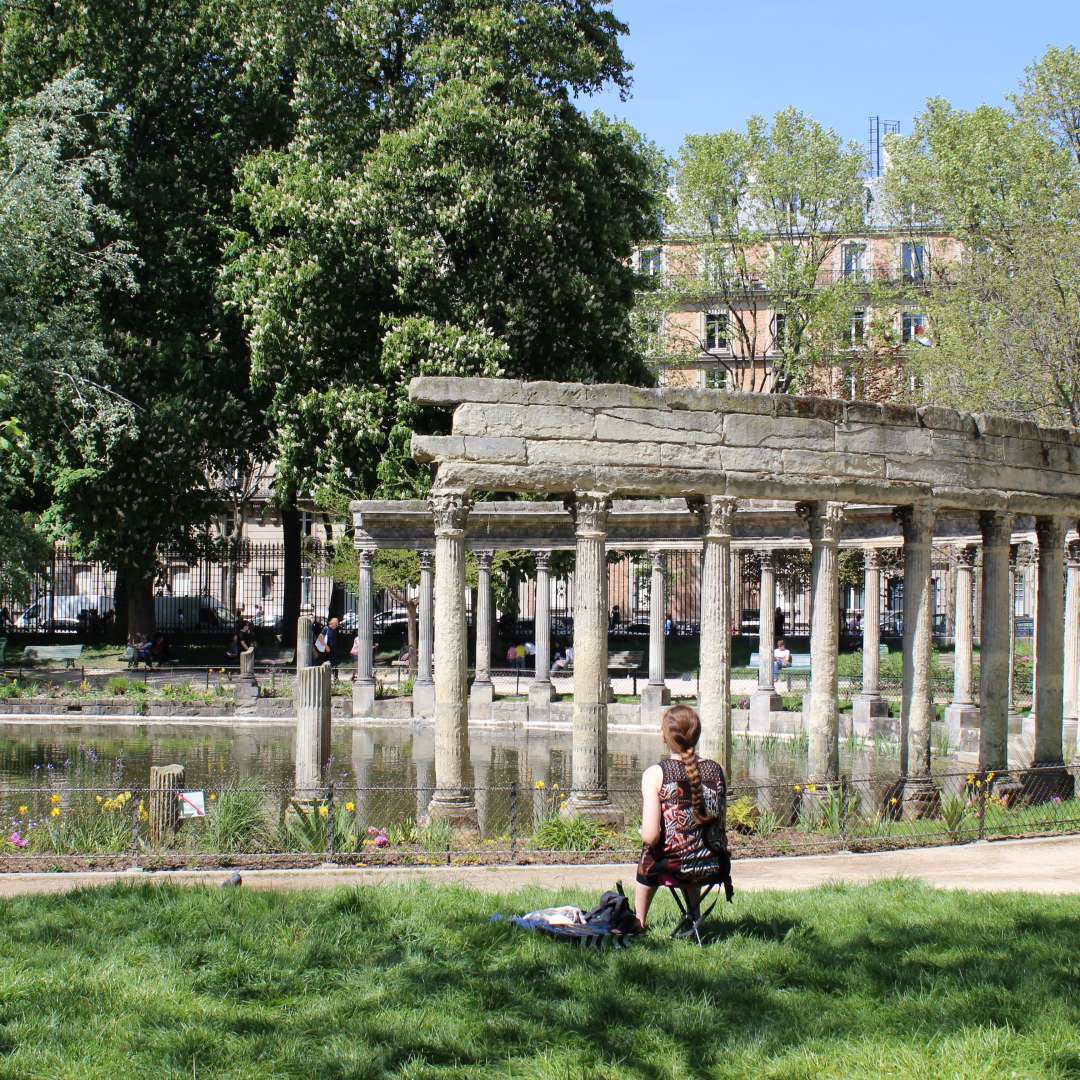
Named after the villages of Batignolles and Monceau, annexed in 1860.
The 17th is a district of contrasts: bourgeois near Parc Monceau, more creative and village‑like around Batignolles.
It reflects the layers of Haussmann’s expansion.
A place where old and new coexist naturally.
Montmartre
The name is often interpreted as “mount of martyrs”, although its precise origin remains debated.
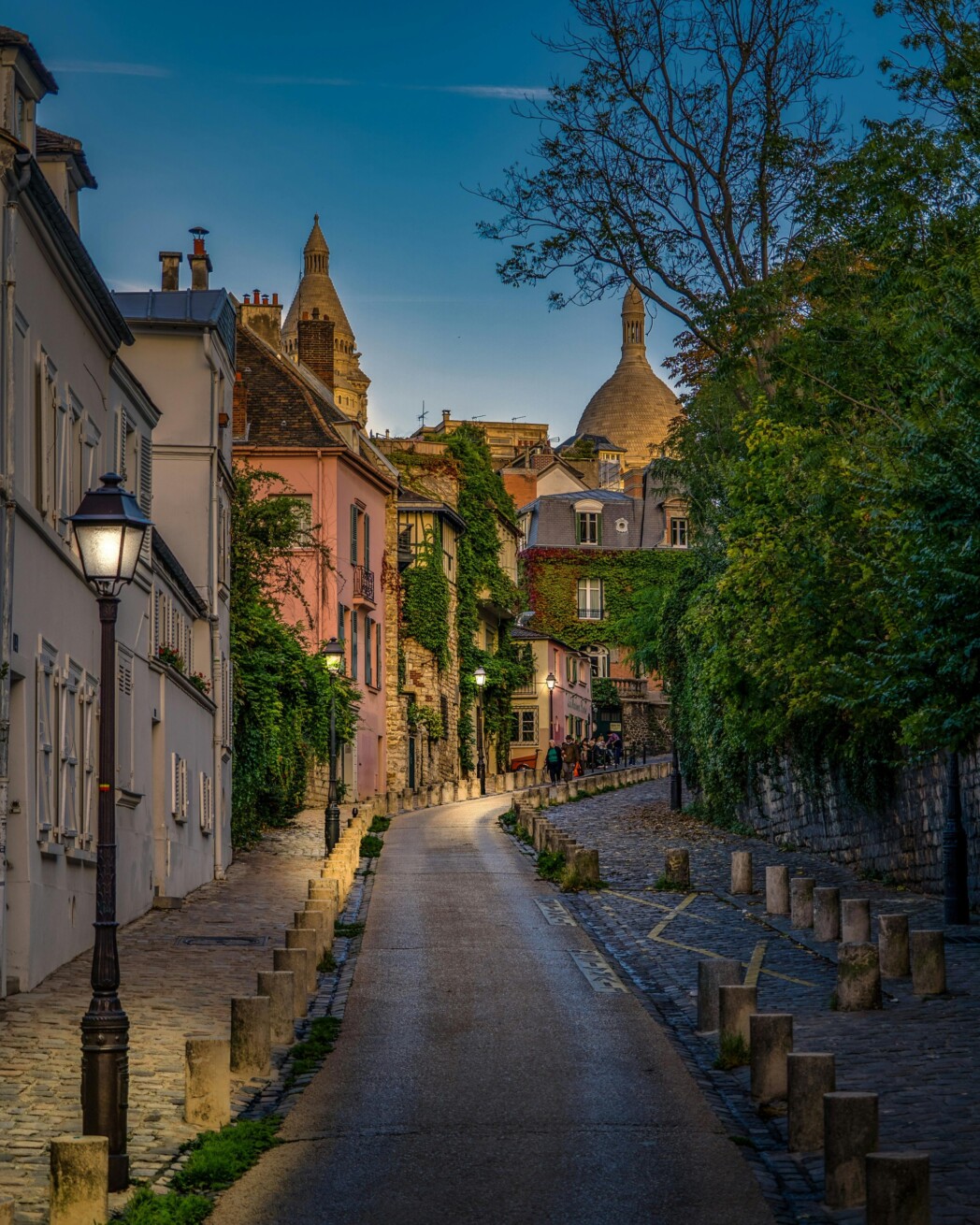
The 18th is a district of slopes, stairways, popular culture, and artistic legends.
Montmartre remains a world apart — almost autonomous, shaped by its topography.
A Paris where landscape and culture are inseparable.
19th arrondissement — Buttes-Chaumont
20th arrondissement — Ménilmontant
Buttes-Chaumont
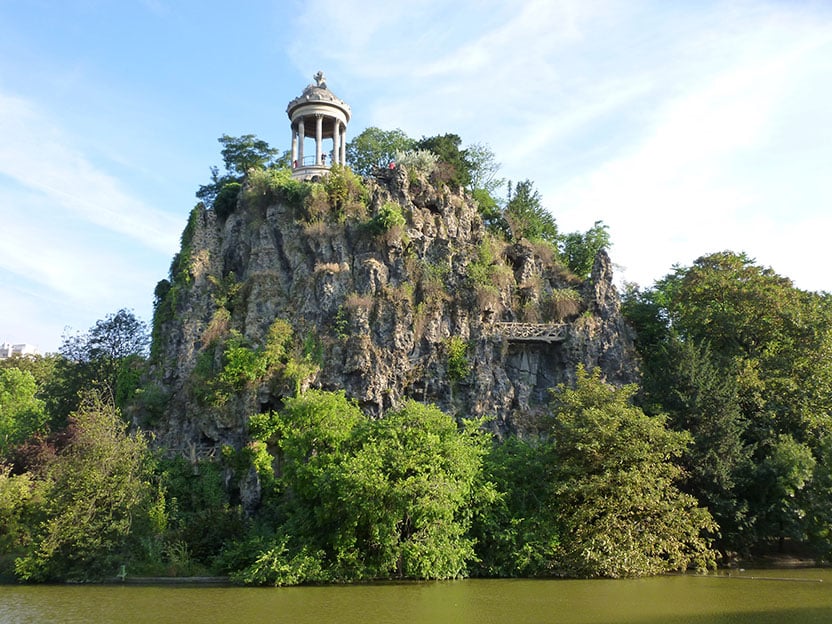
Named after the Buttes‑Chaumont hills, once shaped by quarries and, historically, sites of execution.
The 19th is a district of dramatic parks, canals, and 19th‑ and 20th‑century urban experiments.
A more open, raw, and diverse Paris.
A territory shaped by its geography.
Ménilmontant
The name is often associated with the idea of a house on the hill.
The 20th is popular, creative, musical, and still marked by its village past.
Sloping streets, workshops, cafés, cemeteries — a deeply human Paris.
A district where the spirit of the faubourgs is still alive.
What These Names Reveal, and What I Can Help You Discover
Understanding the names of Paris’s arrondissements is only the beginning.
Each one hides layers of stories: lost villages, vanished borders, old trades, political shifts, and architectural clues.
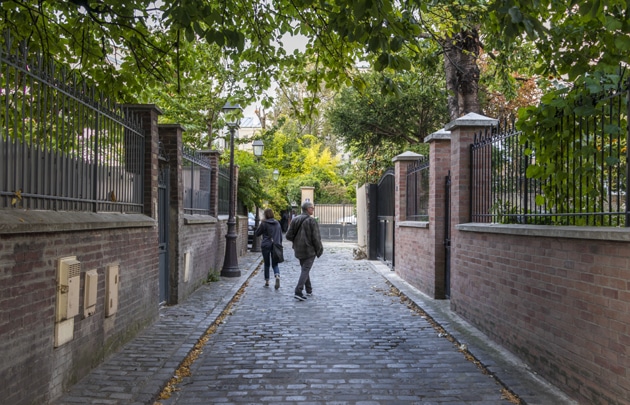
During my walks, I explore these details in context, in the streets, along the river, on the hills, and in the places where Paris still carries the memory of what came before.
If you are curious to go further, our private Paris tours explore these histories where they matter most: on foot, in the streets, in front of the places that shaped them.