The Paris passages: a Victorian shopping mall you’ve never heard of
Beneath the lively boulevards, a secret world awaits—one that even many Parisians overlook. The covered passages of Paris, with their glass-roofed arcades, transport you into an intimate universe where the city’s forgotten elegance lingers. Wandering here is not about checking off sights but about surrendering to a slower rhythm, letting historic shops and the gentle echo of footsteps on mosaic floors guide your senses. For those who wish to experience authenticity beyond the ordinary, these hidden corridors offer enchantment only a local eye can truly unlock.
An introduction to the lost Paris of the passages
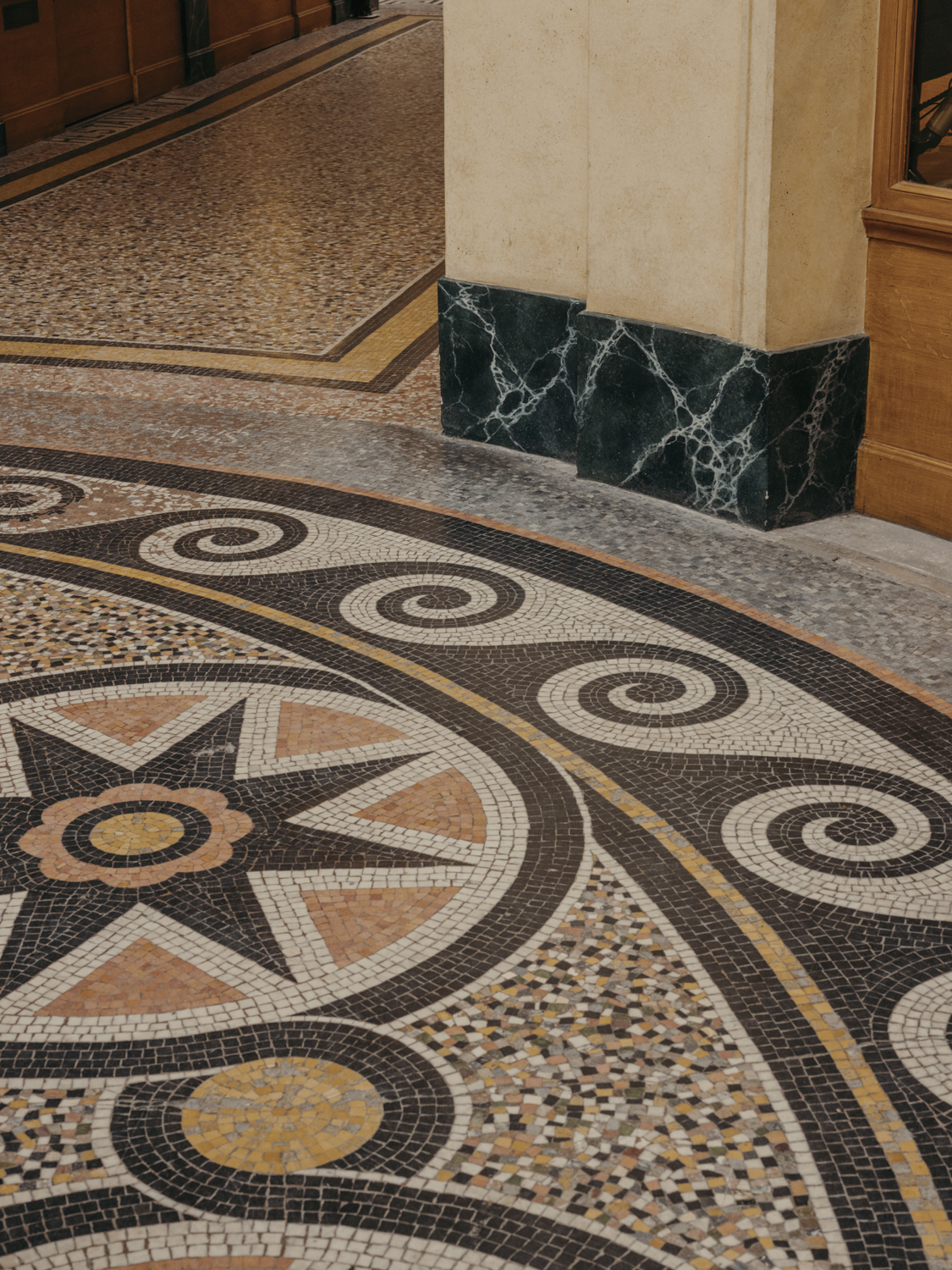
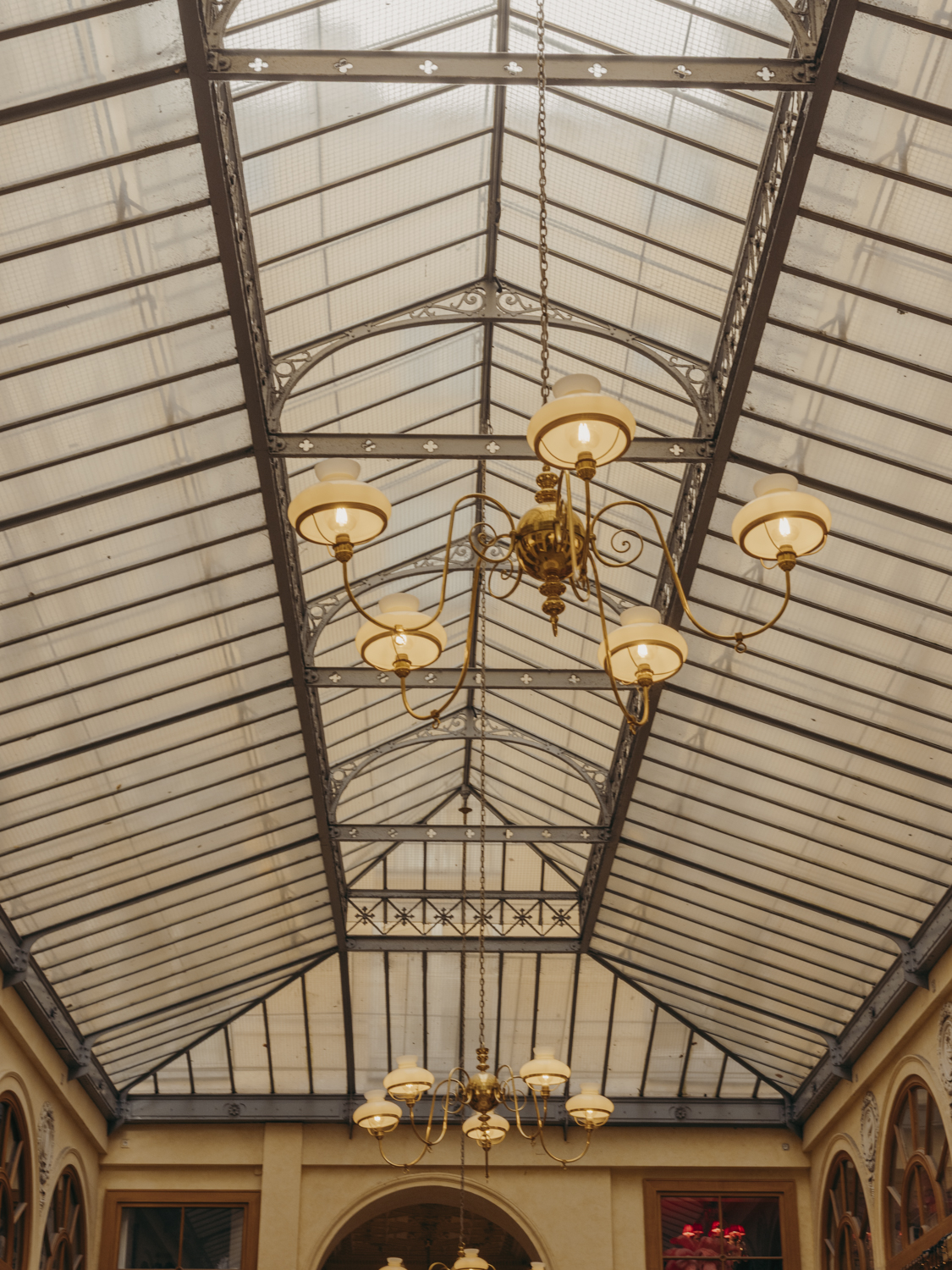
While travelers flock to Paris for its grand monuments, the true spirit of the city hides within these charming arcades. Overhead, filigreed ironwork cradles glass panels, casting golden light upon intricate marble mosaics. These passageways once sheltered the fashionable from rain and mud, drawing them toward enticing window displays and the aroma of coffee wafting from tucked-away cafés.
Long before modern malls, this network of shopping arcades defined Parisian sophistication. Each boutique or vintage shop preserves a fragment of Belle Époque allure, while chocolatiers and artisans keep traditions alive. As you drift through these galleries, the outside world recedes, replaced by the hum of conversation and scents of roasted beans—a sensory invitation back in time. If you wish to immerse yourself in the intimacy of these arcades, consider exploring custom-designed private itineraries in Paris that reveal the lesser-known corners and history beneath the surface.
The pioneers: where do these passages originate ?
Emerging in early 19th-century Paris, the covered passages provided a haven from muddy streets and fickle weather. More than mere commerce, they presented shopping as theater—archways gleamed, facades dazzled, and every visitor became part of the spectacle. 19th century architecture found new expression in these luminous spaces.
Landmarks like Galerie Vivienne, Passage Jouffroy, and Passage des Panoramas flourished at the height of their fame. Their innovation was both architectural and social, creating sanctuaries where antique booksellers, glove counters, and tearooms thrived beneath lantern-lit ceilings.
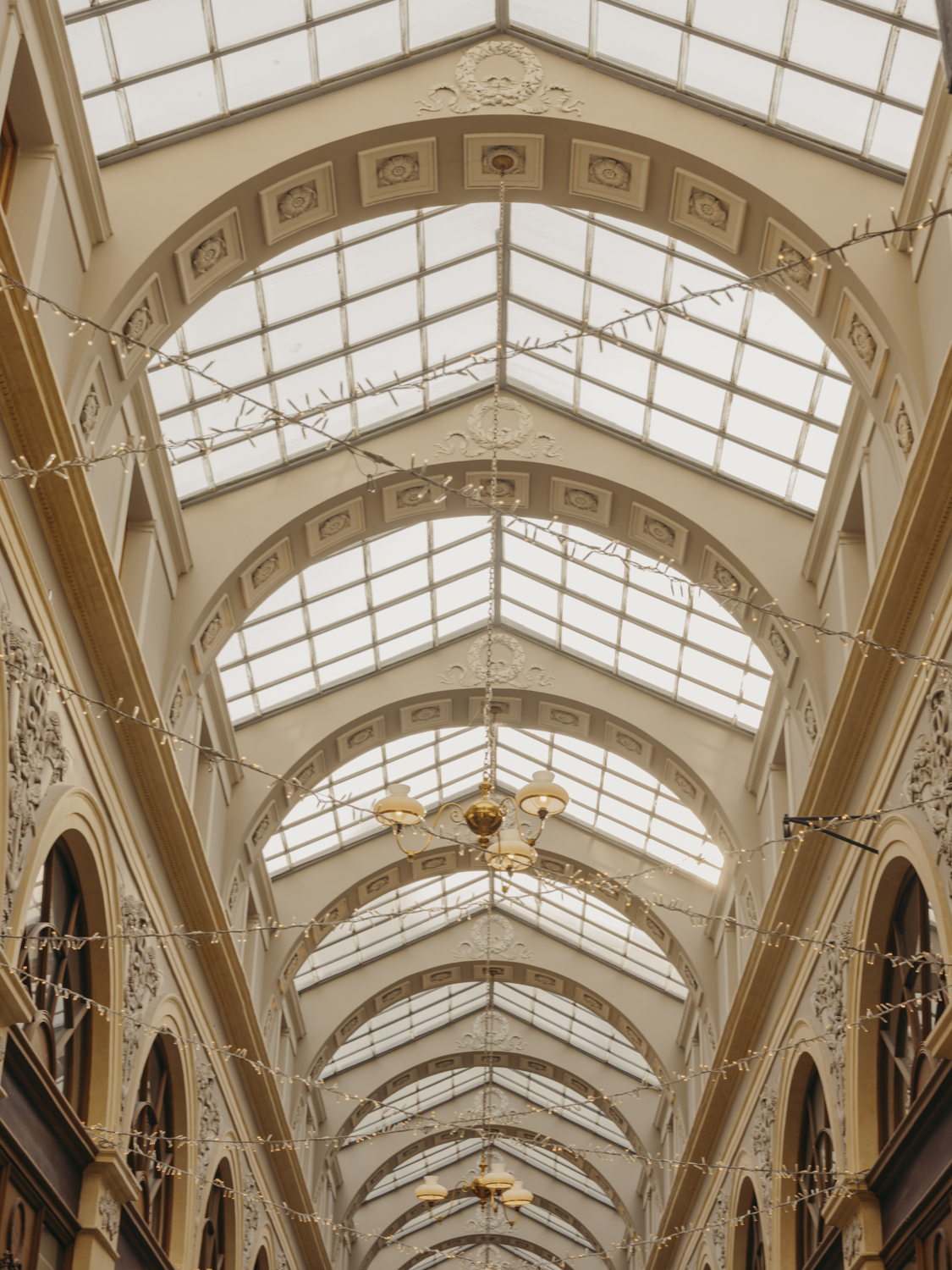
- Wrought-iron structures support radiant glass domes above bustling lanes.
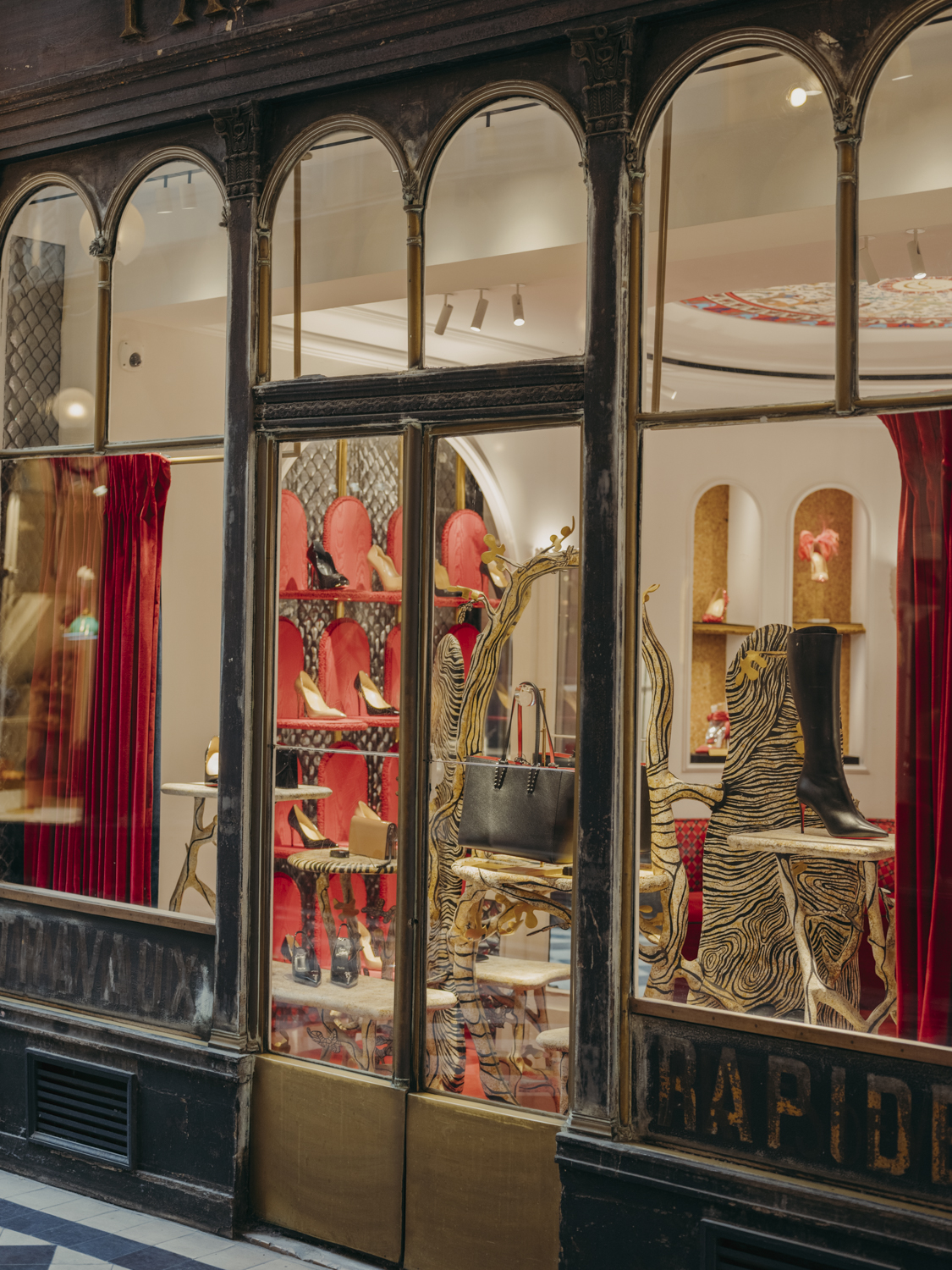
- Sculpted pilasters and ornate signage blend function with fantasy.
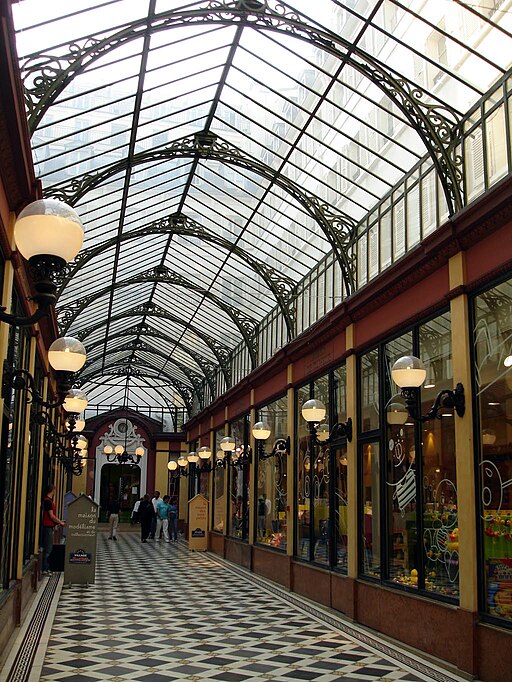
- Mosaic pathways beckon visitors to explore treasures at every turn.
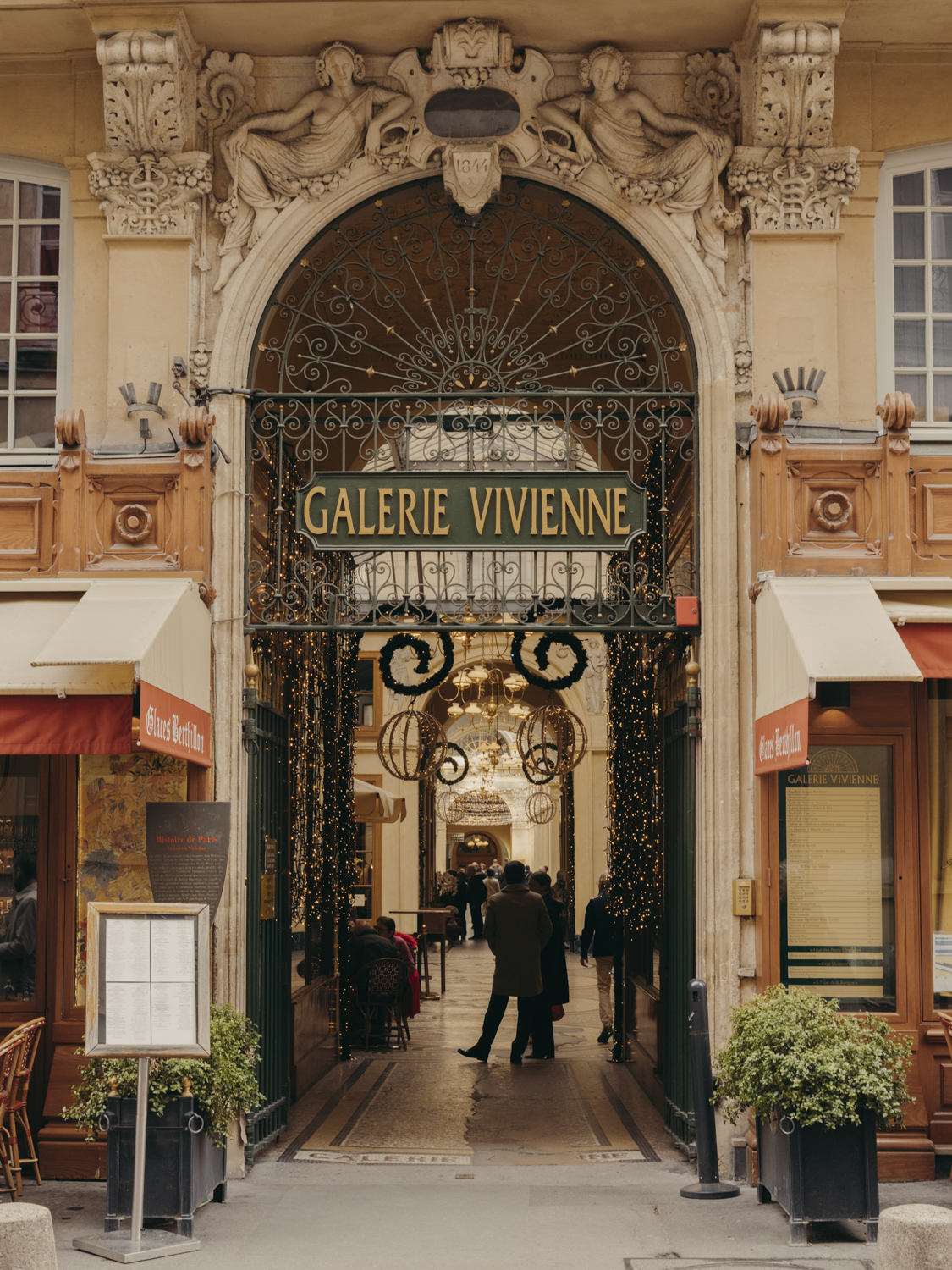
Galerie Vivienne: poetry and pattern in glass
If any passage captures the essence of vanished Paris, it is Galerie Vivienne. Here, sunlight filters softly, mingling with the scent of pastries and the hush of voices from under striped awnings. Footsteps ring out over geometric tiles, pausing beside book stalls and elegant ateliers.
Every detail invites you to linger—hand-painted signs, gilded mirrors, and polished woodwork all whispering secrets of centuries past. Nowhere else does Parisian history feel so vivid, nor 19th century architecture speak so eloquently through space and light.
Passage des Panoramas: echoes of a theatrical age
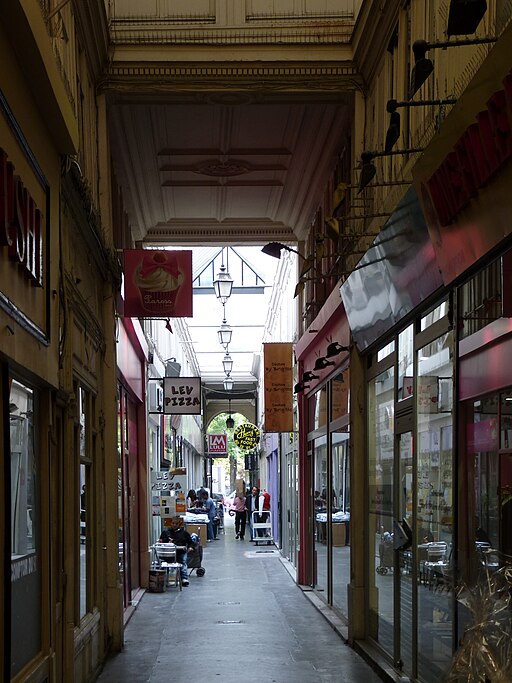
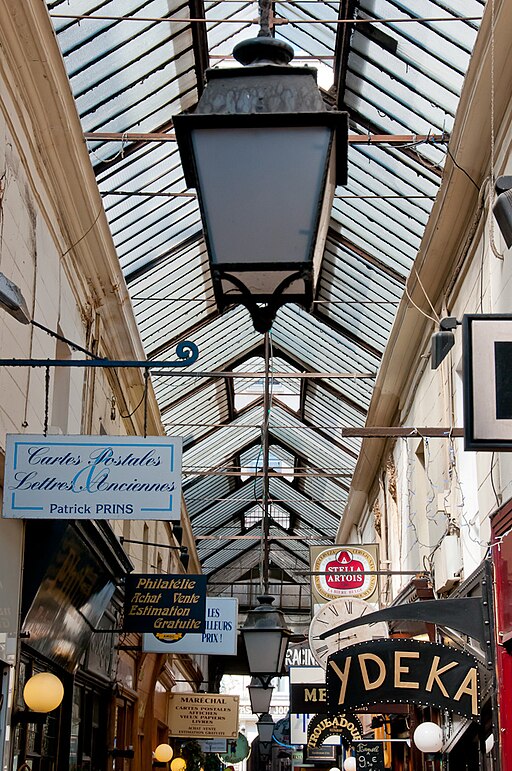
Nearby, the Passage des Panoramas draws you into a labyrinth first opened in 1799 and shaped by generations of artisans. Its atmosphere remains thick with memory: gold-lettered storefronts, worn terrazzo floors, and the clink of porcelain cups in venerable cafés.
Collectors sift through stamps and postcards, watchmakers mend timepieces beneath glowing lamps, and truffle sellers display their wares as if Paris had never changed. In these hidden passages, conversation drifts in shadowy corners, promising fresh discoveries with each step.
The sensory magic of a guided walk
To stroll these secret passages is to embrace a different pace. Sunlight gives way to cool tranquility; the city softens, draped in an almost magical hush. Passing under wrought-iron arches or stained-glass lunettes, your senses sharpen to details often missed elsewhere.
Each arcade has its own melody—the metallic chime of a bell at a perfume house, the quiet swoosh of wooden doors, the sweet trail of tartlets guiding you past tiny boutiques and rare bookstores. The air is rich with stories waiting to be discovered.
- Coffee aromas blend with vanilla notes drifting from chocolate counters.
- Leather-bound tomes brush against honeyed soap, conjuring layers of Parisian memory.
- Bespoke tailors craft quietly behind brass-lit windows — the kind of artisanal encounters our art and craft tours are built around.
Vintage shops and lost worlds
Connoisseurs are drawn to these arcades for good reason. Beneath vaulted ceilings, vintage shops showcase Paris history in miniature: uniform buttons, opera glasses, embroidered linens, costume jewelry—all resisting the anonymity of mass production outside.
A moment spent tracing a faded novel’s spine or admiring a delicate necklace connects you to countless lives across decades. Such finds become more than souvenirs—they are tangible fragments of romance and resilience woven deep into the city’s soul.
Cafés as gathering places
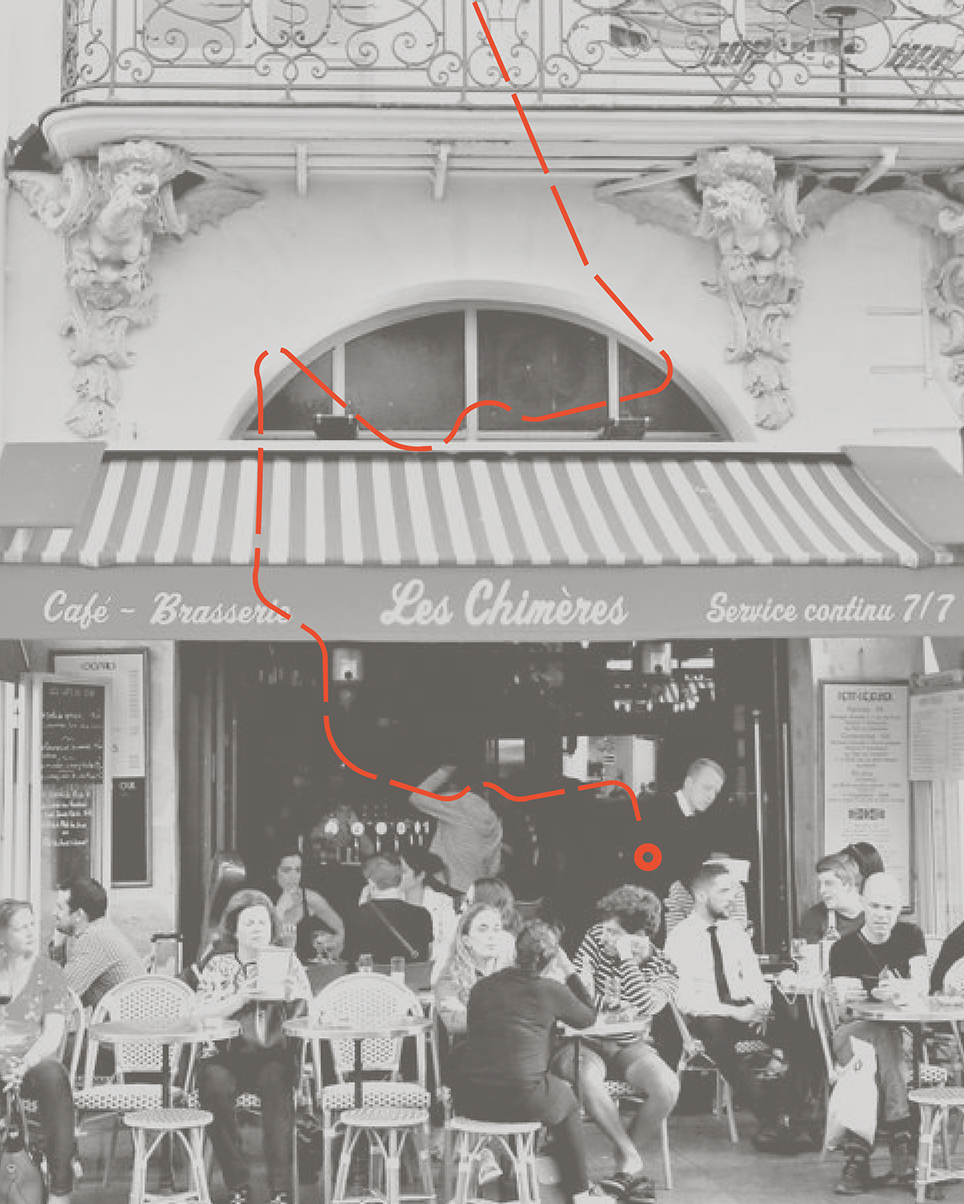
Yet perhaps the greatest discovery comes in moments of pause within old-world cafés. Green-tiled walls shelter rows of tables where artists debate ideas and students gather over steaming pots of tea. Regulars lean close, weaving a tapestry of voices that feels timeless.
This blending of generations and professions creates a sense of belonging unique to Paris. Here, even newcomers find themselves welcomed, every sip and shared glance becoming part of the passage’s living story.
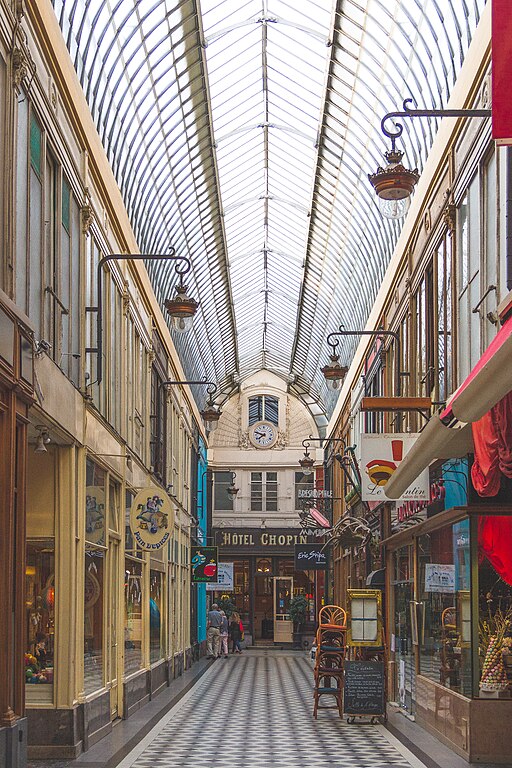
Stepping into an untouched Paris
With guided access, the passages reveal nuances invisible to hurried eyes. A local expert points out initials etched in glass, shares legends of forgotten courtyards, and introduces shopkeepers who remember regulars by name. These anecdotes transform the arcades from picturesque settings into vibrant museums, still woven into daily life.
No matter the season, these covered passages remain untouched by fleeting trends. Marble thresholds, leaded glass, artisanal goods, and warm hospitality create a sanctuary both preserved and subtly evolving. To walk their length is to journey through the heart of Paris—one encounter, one story, one lasting memory at a time.
To walk their length is to journey through the heart of Paris — one encounter, one story, one lasting memory at a time.