Paris Beyond the Walls: Exploring the City Outside Its Borders
Paris doesn’t end at its administrative limits.
The moment you step outside the city, everything shifts: more space, more nature, more unexpected places.
Exploring Paris extramuros means understanding how the city extends, breathes, and connects with its wider landscape.
Leaving Paris to the West: A Different Rhythm
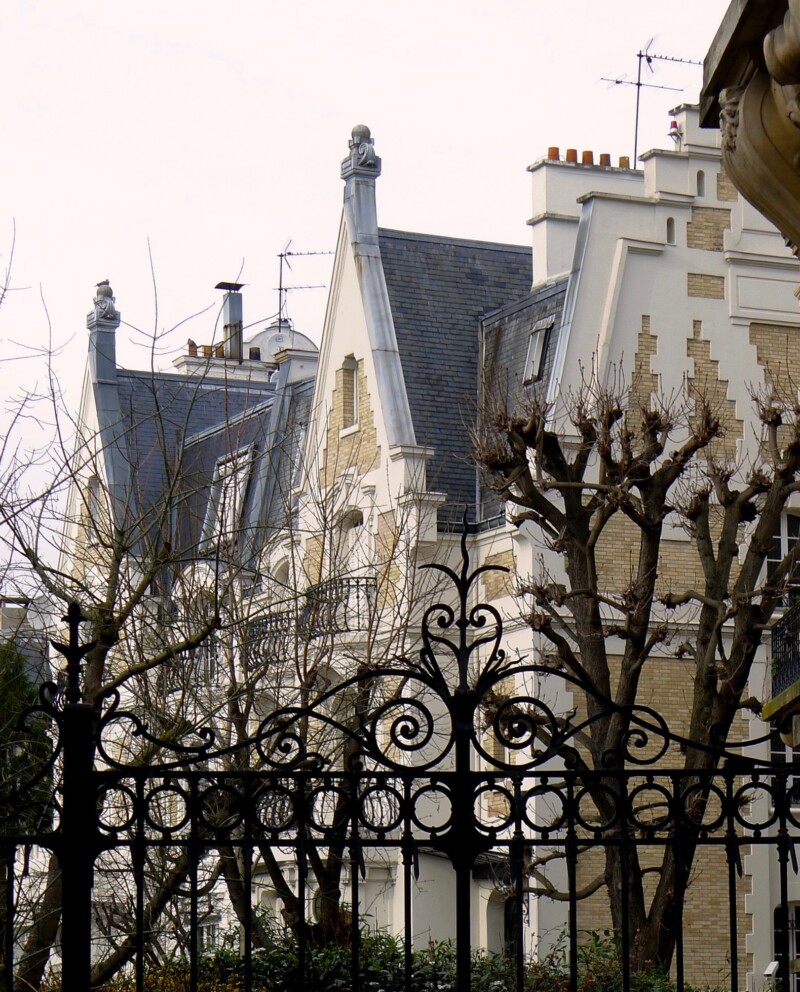
Heading out through the 16th arrondissement, the atmosphere changes quickly.
Streets widen, buildings spread out, and Paris begins its transition toward a different kind of urban landscape.
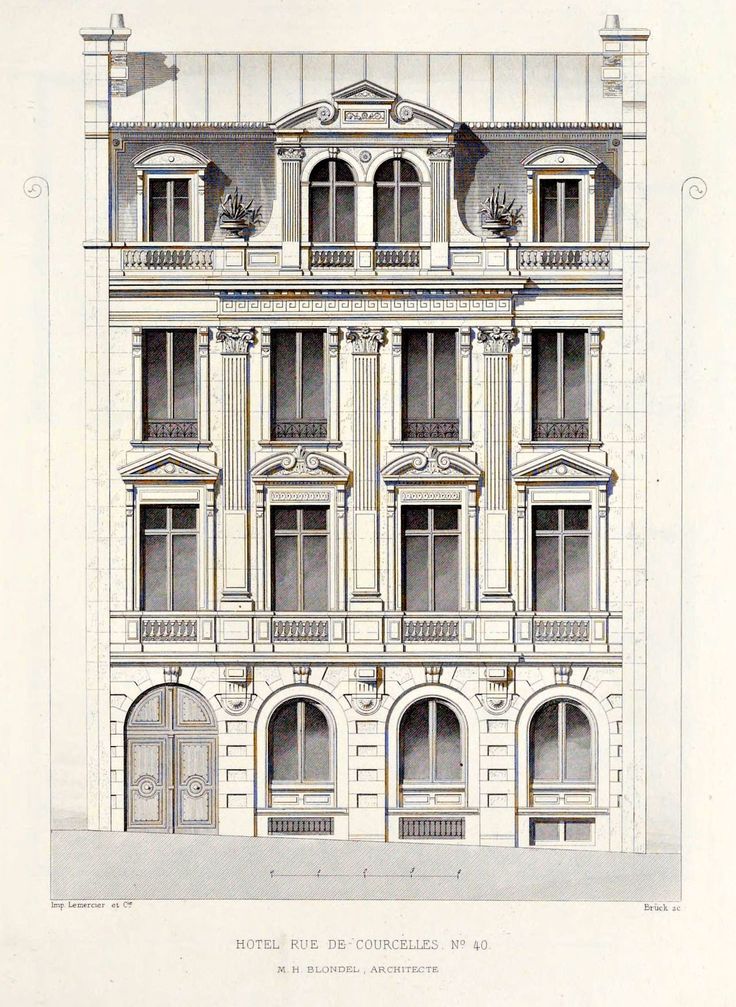
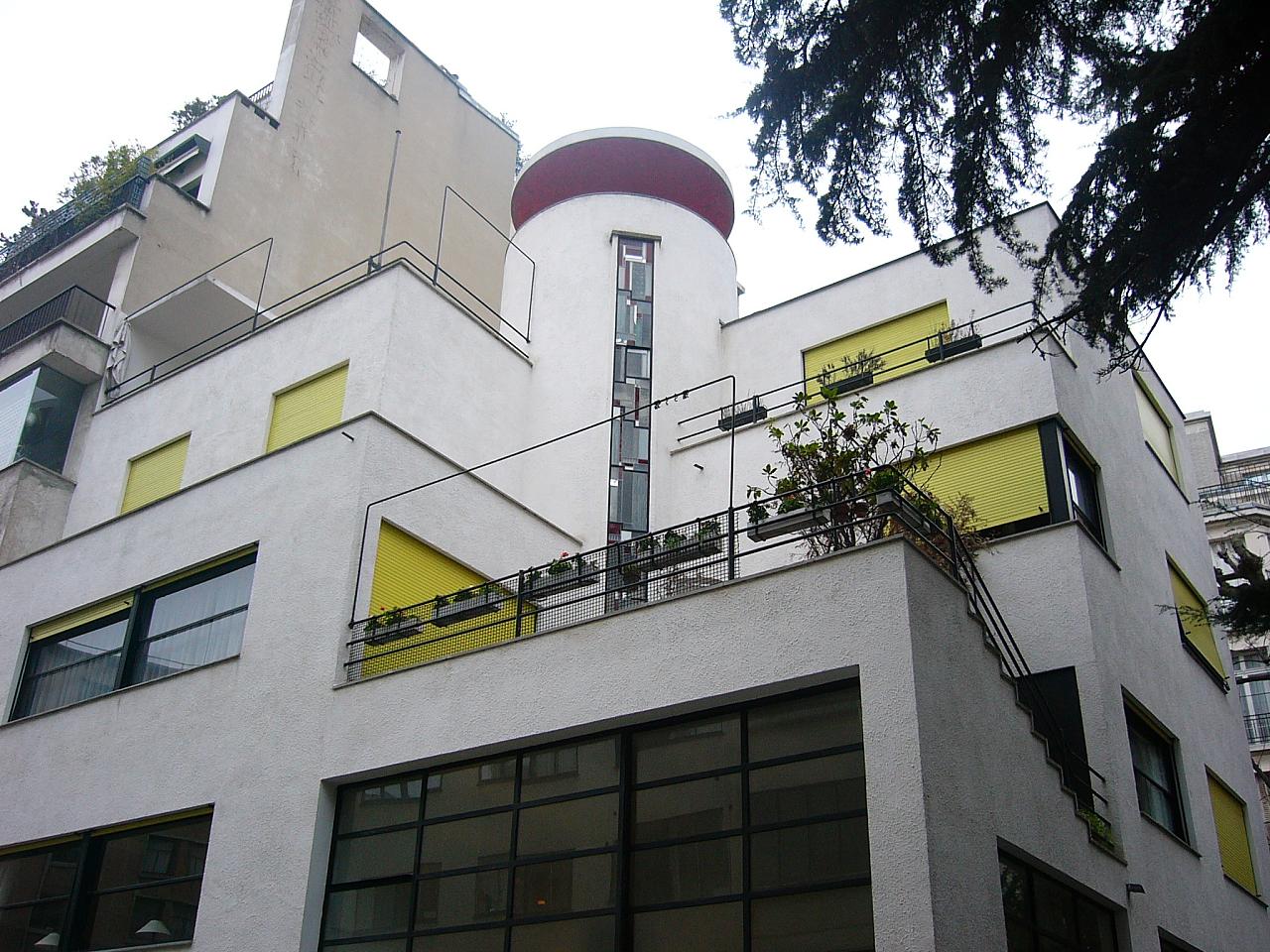
A detour through Rue Mallet‑Stevens sets the tone: a street designed as a modernist manifesto.
Clean lines, precise volumes, and an architecture that imagines another possible Paris.
Six villas, one street, one architect. Robert Mallet-Stevens built it in 1927 as a laboratory of modern living — private, radical, and largely unknown to visitors.
Seventy-seven metres long, seven metres wide. The press called it ‘the triumph of the straight line.
Bois de Boulogne: A Designed Nature
The Bois de Boulogne is not a wild forest.
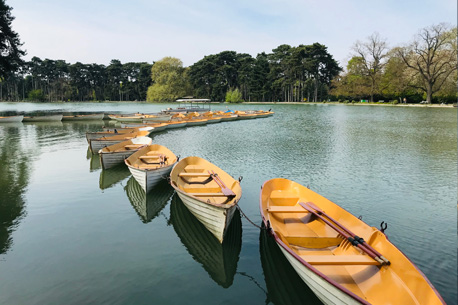
It’s a carefully constructed landscape, shaped under Napoleon III to give Parisians a place to breathe and escape.
Here, you can read the history of large‑scale landscape design:
man‑made lakes, planned pathways, curated clearings.
A place where the city relaxes without ever fully disappearing.
The Hippodromes: Between Saint‑Cloud and La Défense
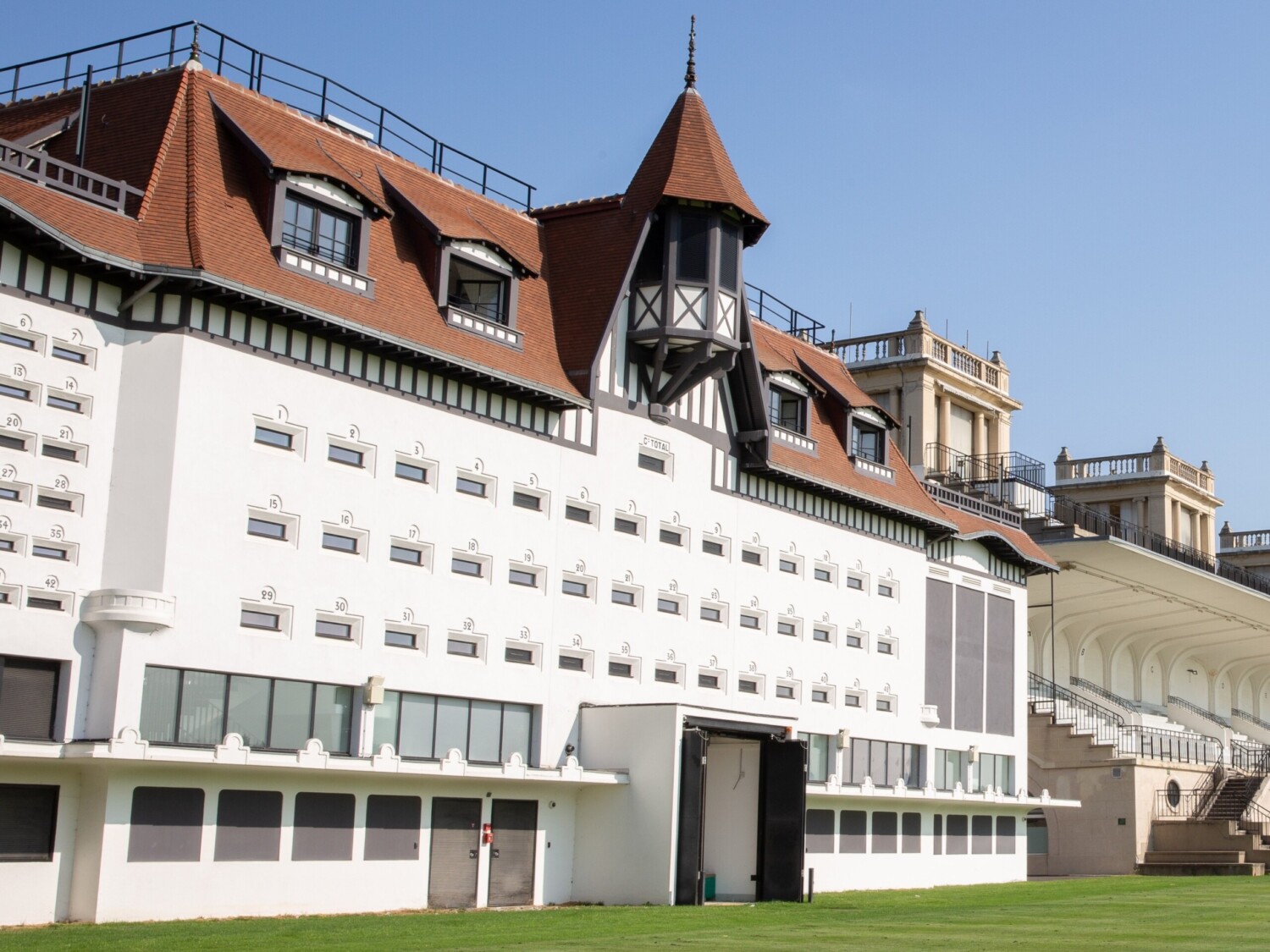
The Auteuil and Longchamp racecourses tell another story of Paris — one of horses, sport, and historic grandstands.
From the terraces, the view is striking:
- on one side, the Parc de Saint‑Cloud, with its classical lines and wooded slopes
- on the other, the La Défense skyline, almost surreal from this angle
A contrast that captures the essence of western Paris: nature, history, and modernity in a single frame.
Lunch: A Plate That Reflects the Territory
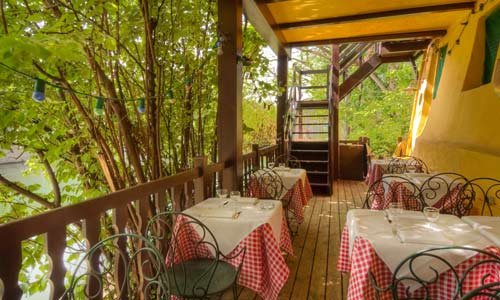
For lunch, I choose a place where cooking is precise and honest.
A restaurant where ingredients are respected and each plate reflects something about contemporary Paris.
We talk about what we’ve seen and what’s ahead.
Often, a dish becomes a starting point:
a technique that recalls a craft tradition, a vegetable that speaks of the Île‑de‑France terroir, a dessert rooted in French heritage.
A simple moment, but a meaningful one.
Hangar Y: Industry Turned Culture
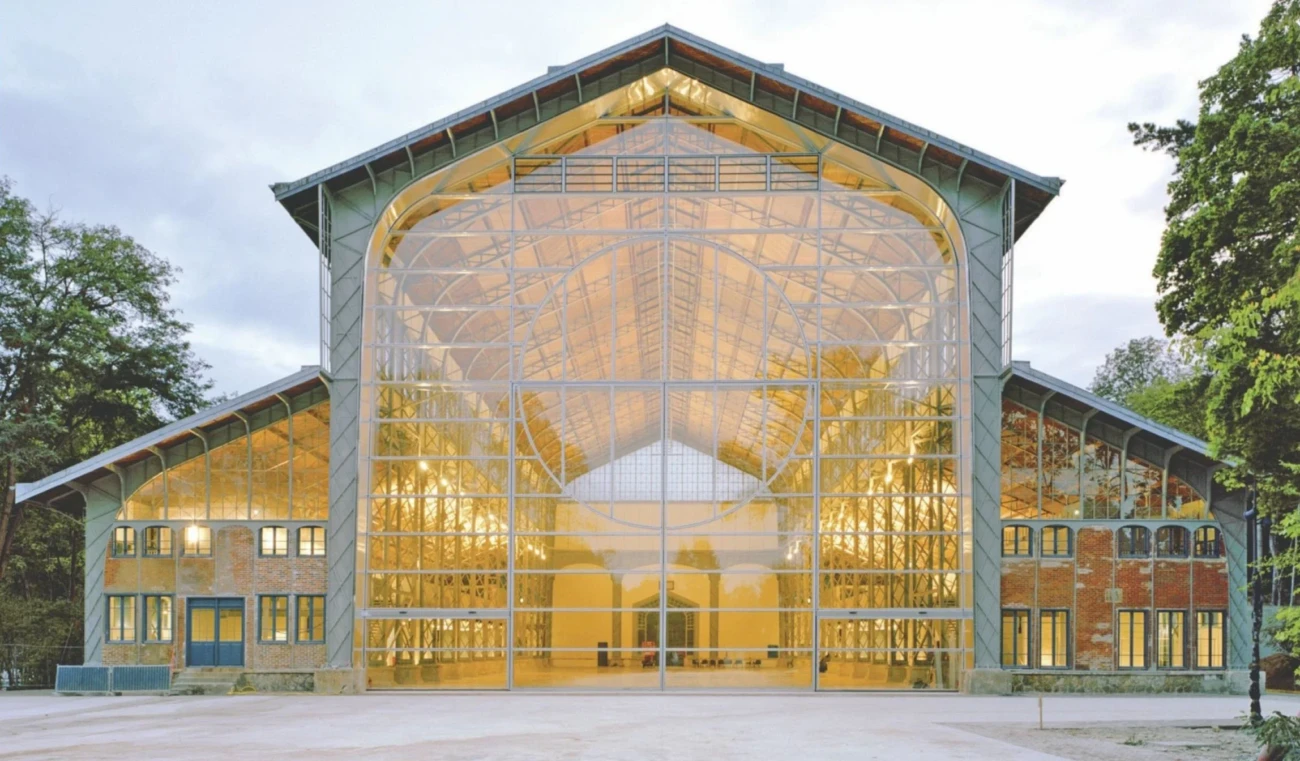
The Hangar Y in Meudon is a unique site: a vast 19th‑century airship hangar, now transformed into a cultural venue.
Its history is one of innovation, abandonment, and rebirth, a perfect example of industrial heritage reinvented for the present.
The Meudon Terrace: An Unexpected Panorama of Paris
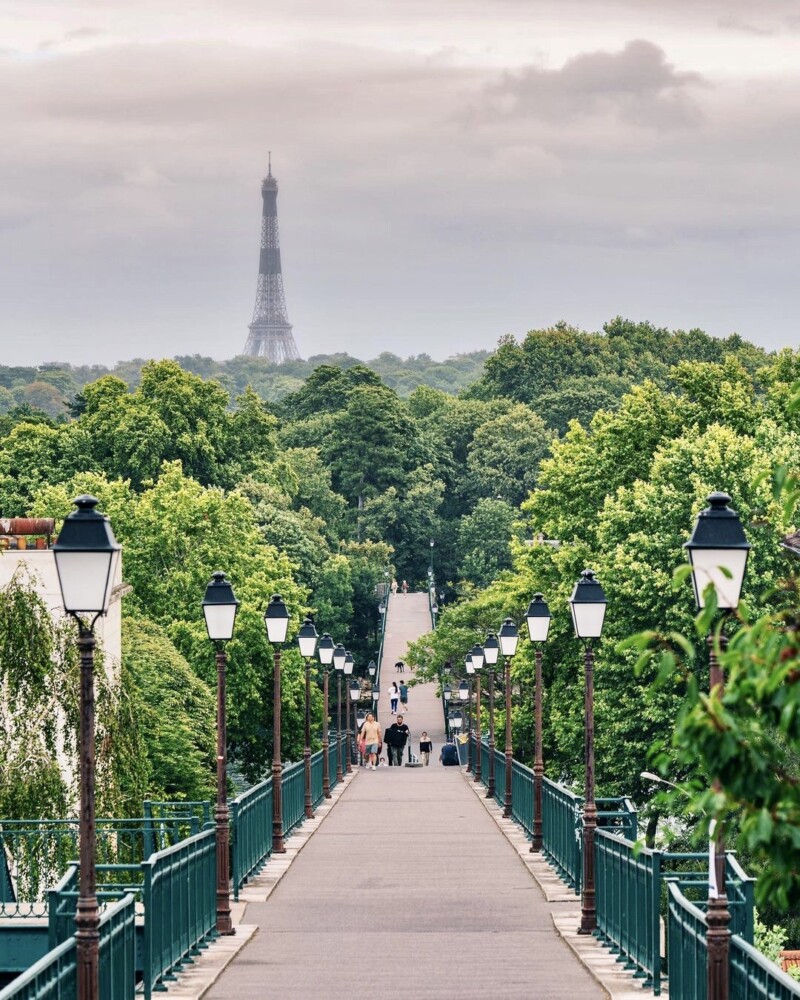
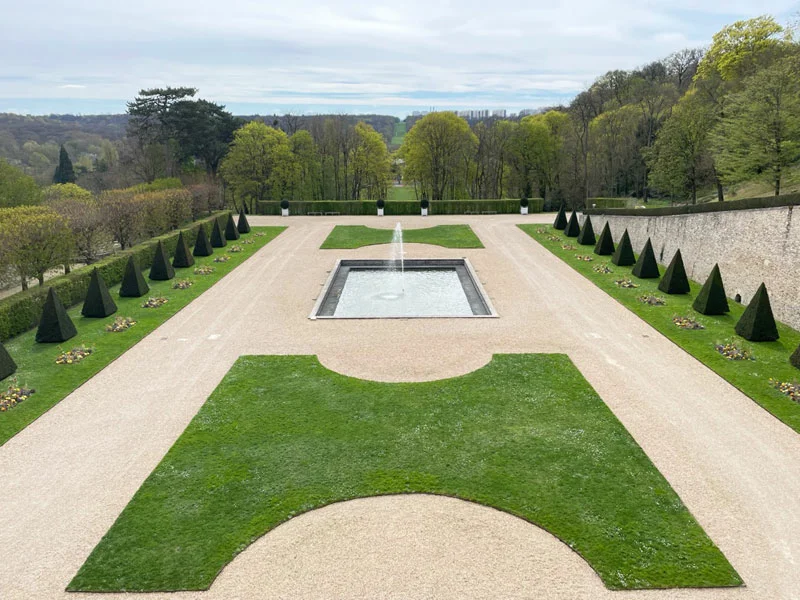
The terrace of the Château de Meudon offers one of the most surprising views of Paris.
A calm, frontal panorama where the city appears as a distant ribbon of stone.
You can pick out the Eiffel Tower, Montparnasse, and La Défense , but from a perspective that places Paris back into its natural setting.
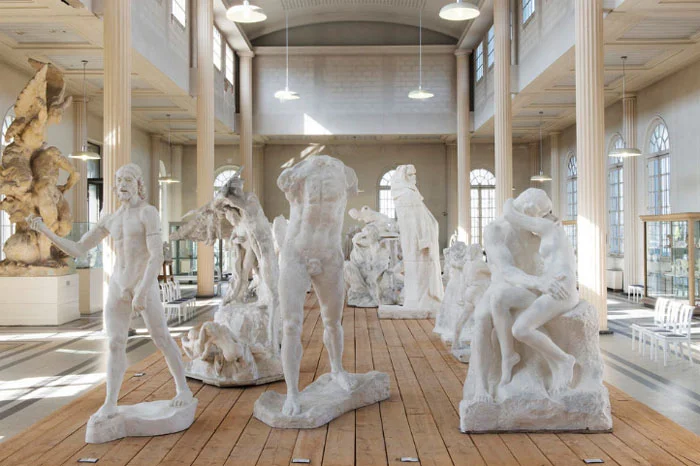
Rodin’s House: Art in Retreat
Just below the terrace, the Maison de Rodin reveals another relationship to creation.
An intimate, quiet place where the artist lived and worked, surrounded by nature.
It’s easy to understand why so many creators sought space and silence outside the city.
The Jean Arp Studio: Art as Refuge
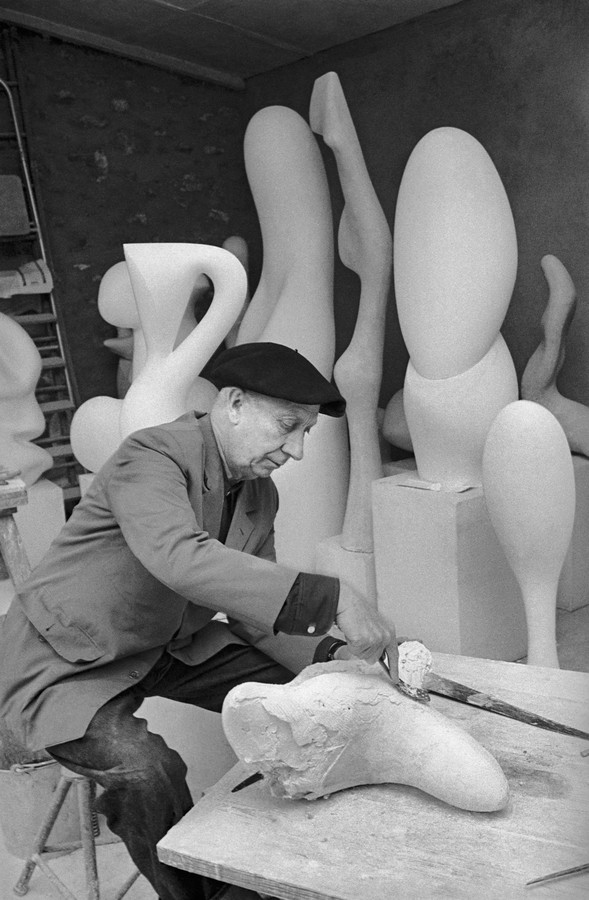
The day continues at the Jean Arp Studio, a discreet, almost hidden place.
A house‑studio where Jean Arp and his wife, Sophie Taeuber, lived and worked, a space they designed together, immersed in greenery and far from the noise of Paris.
A reminder that modern art often grew in the margins, not the center.
Returning to Paris: Understanding the City Through Its Edges
On the way back to the capital, the perspective shifts.
Paris appears differently: as a center surrounded by forests, studios, cultural sites, and shaped landscapes.
Paris beyond the walls is still Paris.
It’s the city’s breath, its laboratory, its reverse side.