
An Ancient Tradition : Paris, Capital of Statues
Public art in Paris began long before contemporary art.
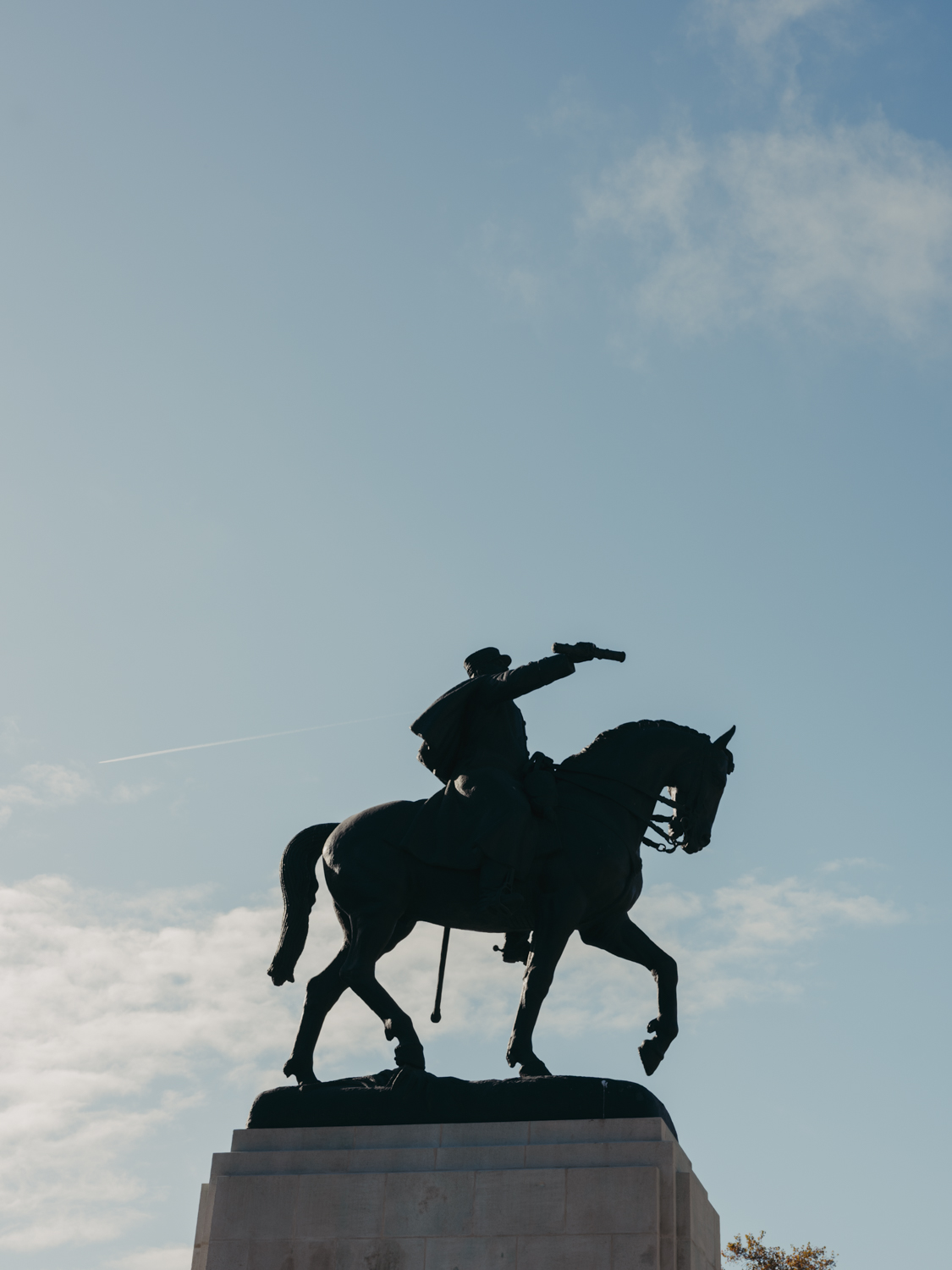
As early as the 17th century, the monarchy, the Empire, and their architects imagined a city where statues would punctuate perspectives.
Louis XIV, as an absolute monarch, erected his own effigies on royal squares.
Napoleon I commissioned monumental columns.
Napoleon III, through Haussmann, installed grand fountains and sculptural ensembles.
These classical works form the first layer of an artistic landscape that has only grown denser over time.
They give Paris that unique impression of being inhabited by figures, stories, and symbols.
The 20th Century : Paris Becomes a Laboratory of Modernity
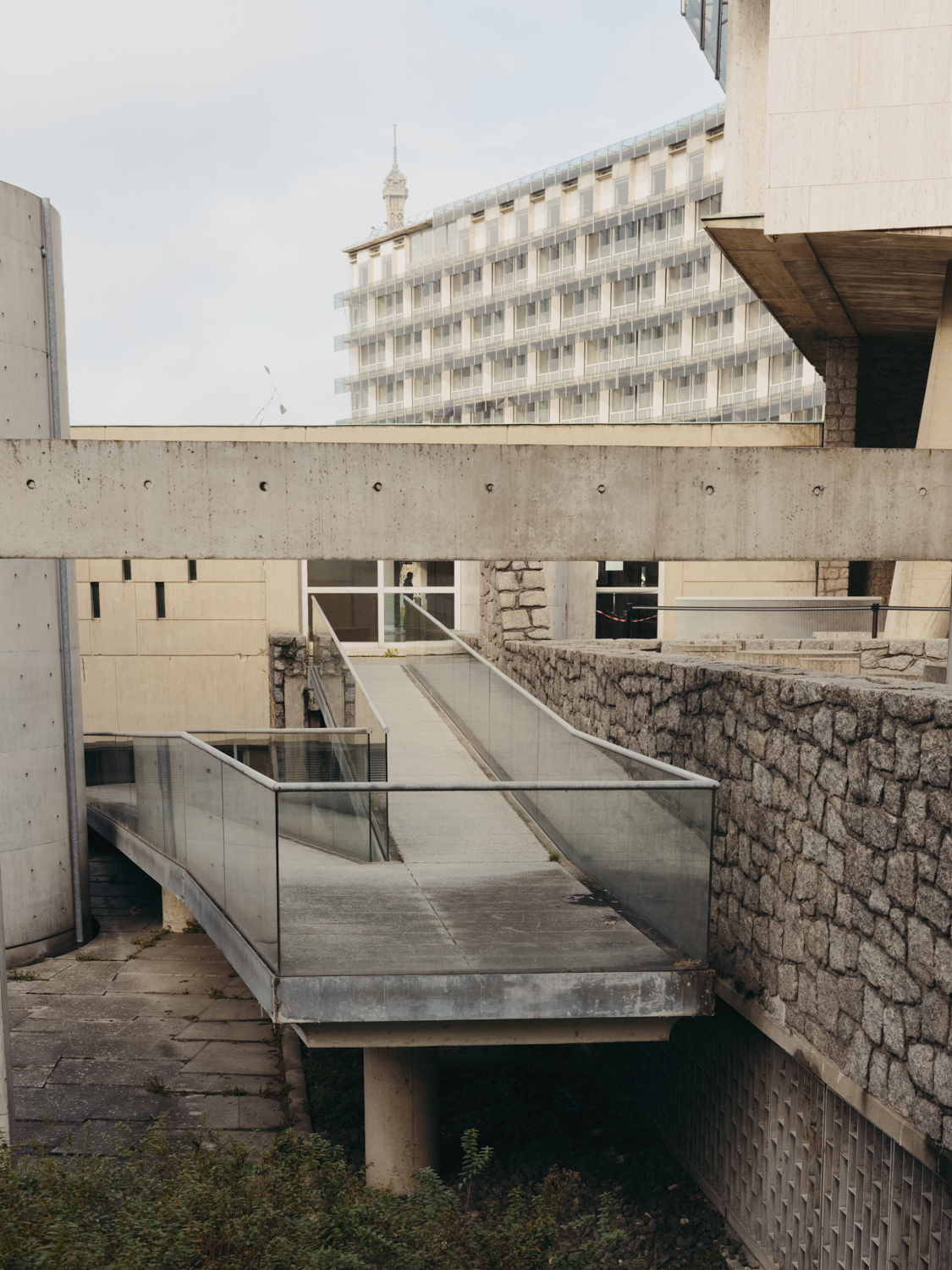
From the 1930s onward, and especially after the war, Paris opened its public spaces to modernity.
Artists stepped out of museums and galleries to invest in the city itself.
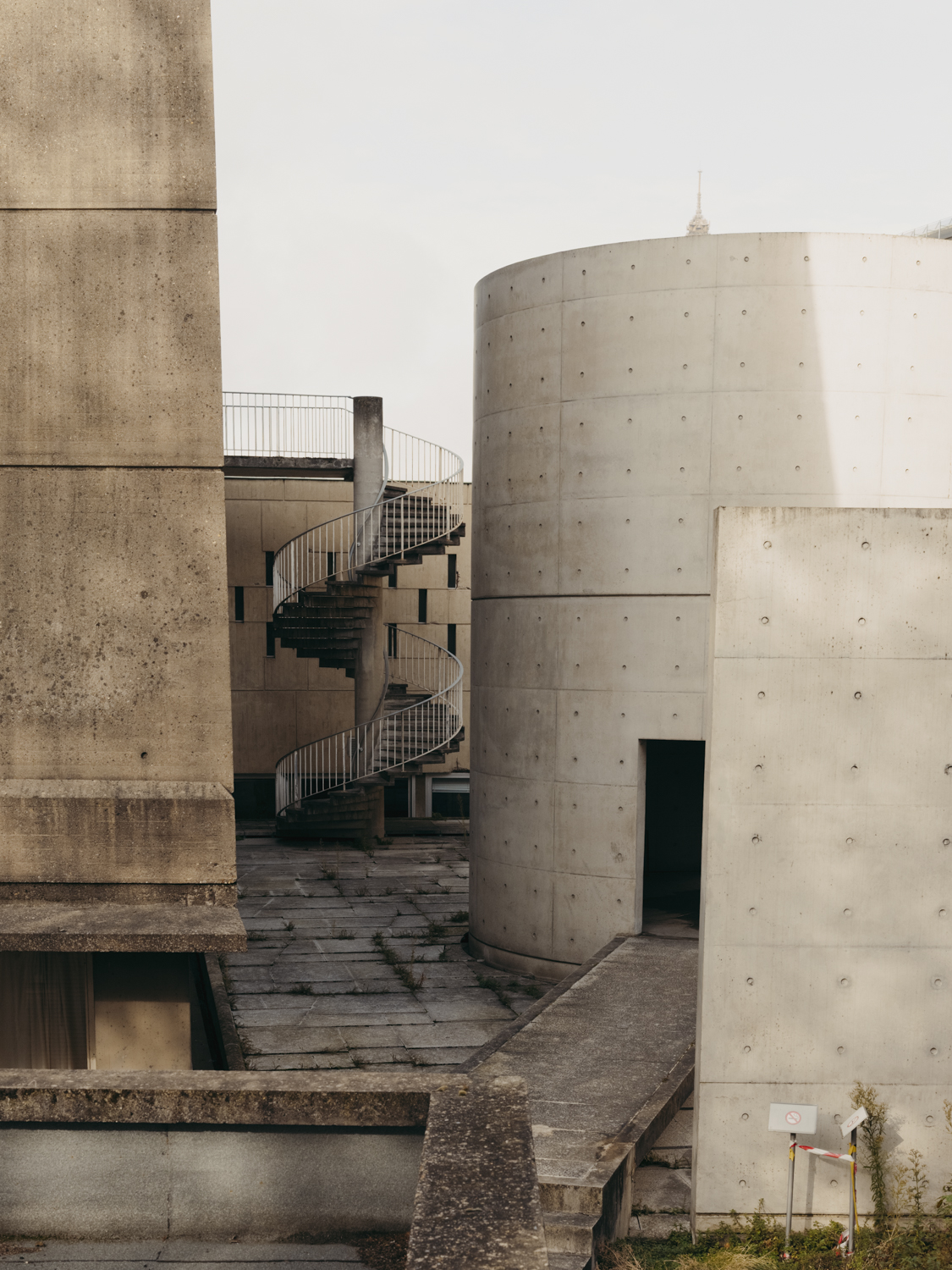
Forms and materials changed : bronze met steel, marble conversed with concrete, and colour entered the urban landscape.
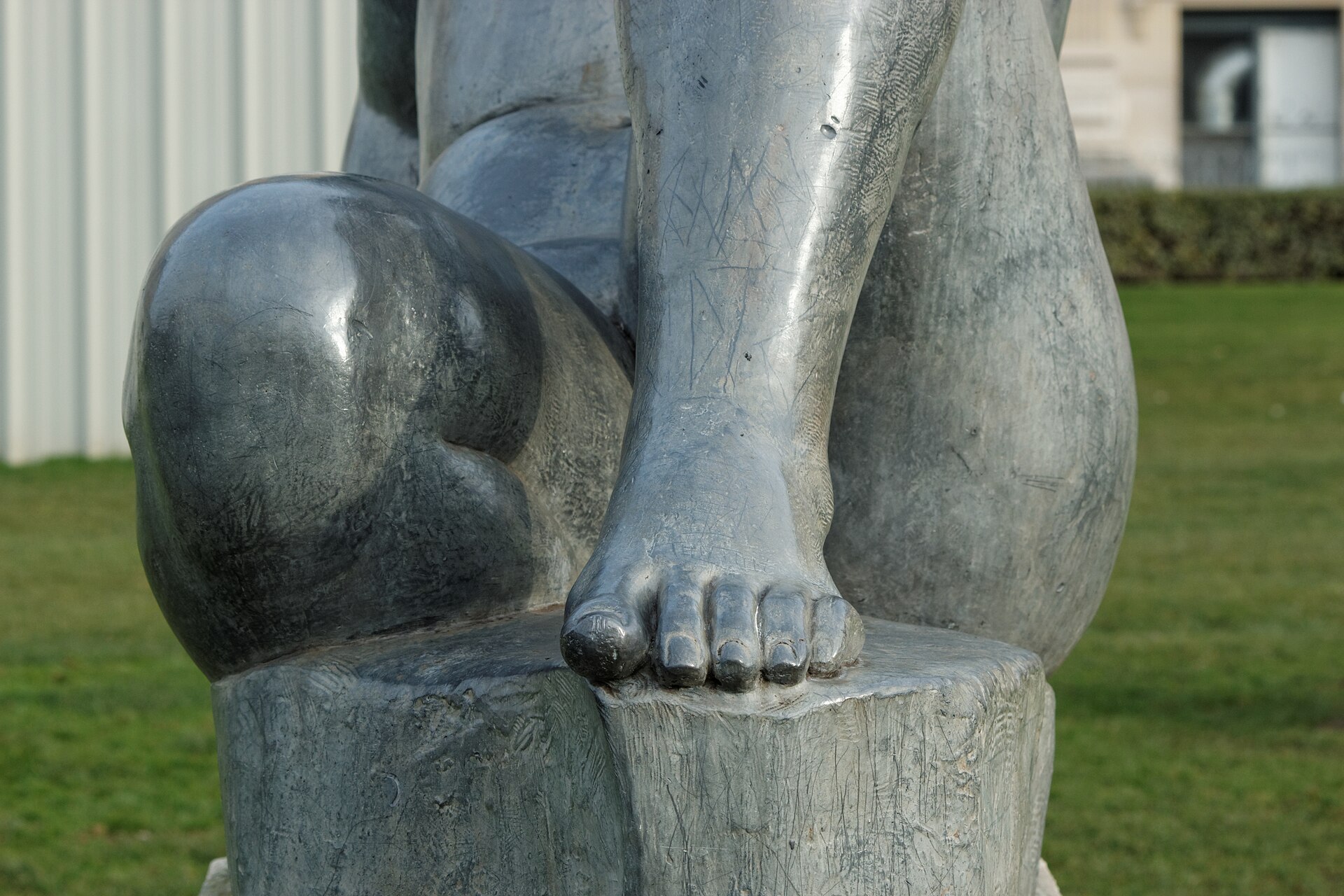
Paris now displays Calder and his stabiles, Zadkine since 2012, Maillol, Morellet, and many others, in both major thoroughfares and discreet, lesser‑known locations.
A world waiting to be discovered.
Political Will
1951 : A Foundational Decree
After the Second World War, in 1951, André Marie introduced the decree establishing the “1% artistique”, a project inspired by Jean Zay’s earlier proposal, which had not been voted on before the conflict.
The idea was to support artists by requiring that 1% of the budget for public buildings be dedicated to the creation of an original artwork.
Initially implemented by the Ministry of Education, the first beneficiaries were schools, colleges, and high schools.
The decree was later expanded, strengthened, and modernised to include new forms of artistic expression.
Beyond supporting artists, it created a dialogue between art and architecture by integrating artworks into everyday public spaces.
Presidential Grands Projets : Art as a Political Gesture
The presidents of the Fifth Republic initiated unique architectural projects, often controversial at first, now considered essential.
Who could imagine Paris without Beaubourg, the Louvre Pyramid, or the Grande Arche?
They also commissioned major artistic installations and new museums.
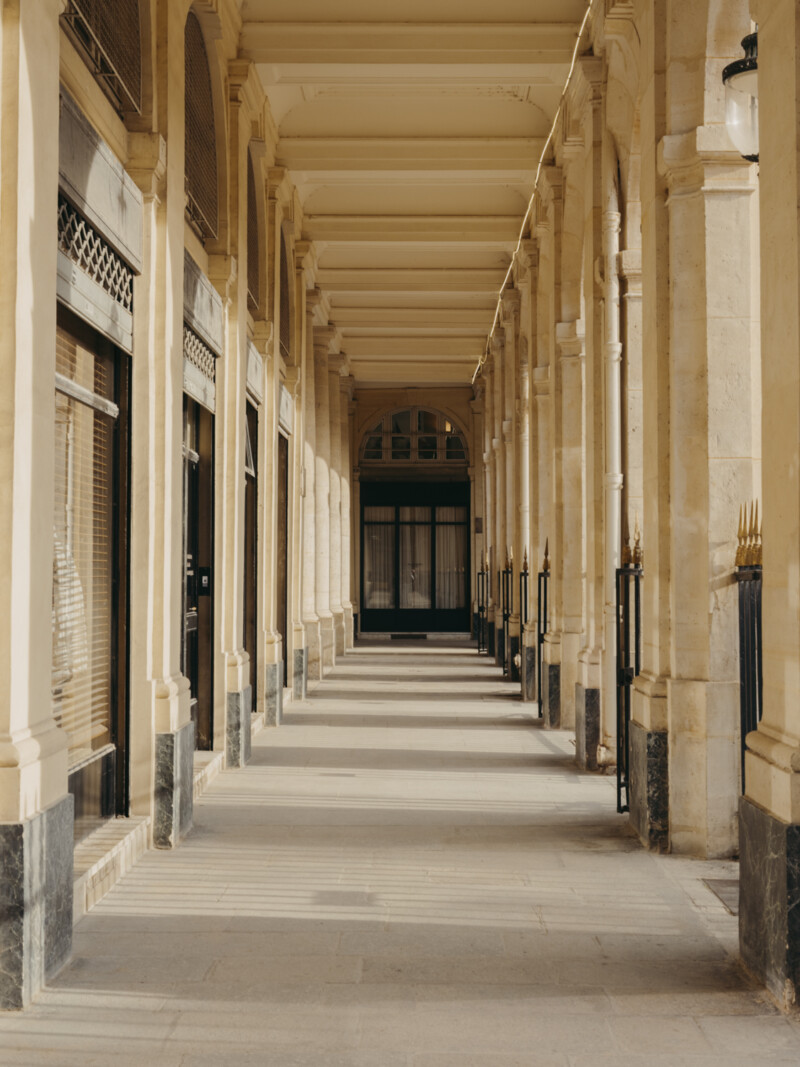
- President Mitterrand installed Daniel Buren’s columns in the Palais‑Royal, replacing a heavily concreted parking lot. The project faced fierce criticism and even a construction halt, the rest is history.
- Valéry Giscard d’Estaing oversaw the creation of the Musée d’Orsay, now one of the most visited museums in the world.
- Jacques Chirac, a connoisseur of Asian and extra‑European arts, commissioned the Musée du Quai Branly, insisted on gathering existing collections into Jean Nouvel’s building, and created a new cultural landmark.
More recent presidencies have focused on heritage restoration, the Grand Paris project, and the transformation of the city in preparation for the 2024 Olympic Games.
Gardens and Squares : Open‑Air Galleries
Paris has a unique characteristic : its gardens are galleries.
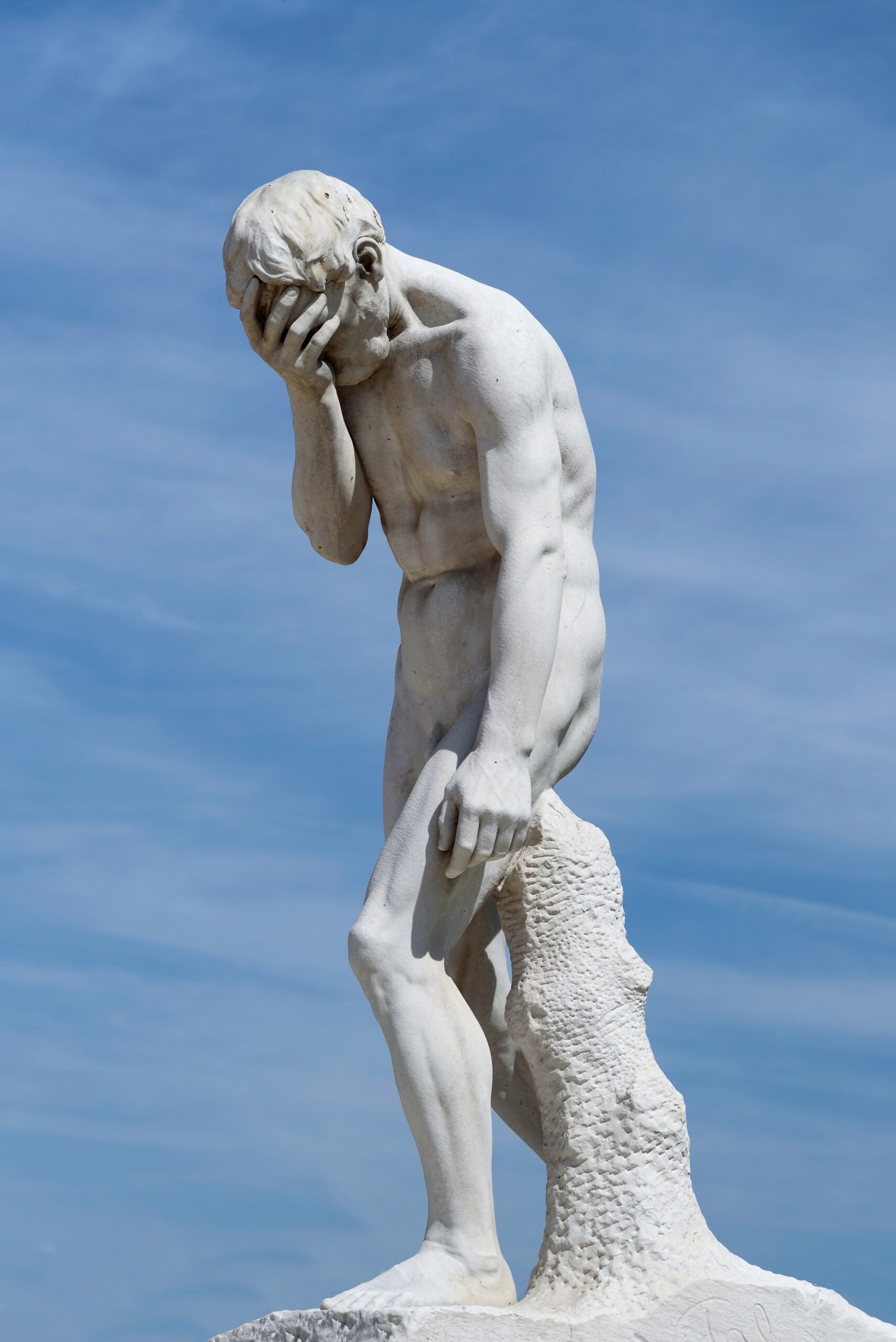
- The Tuileries host works by Louise Bourgeois, Henry Moore, and others.
- The Luxembourg Garden displays both classical and contemporary sculptures.
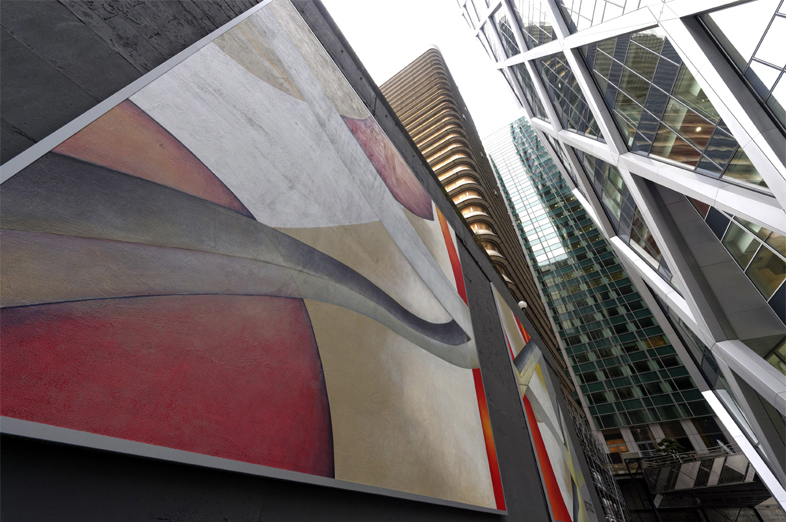
- La Défense, often perceived as a business district, actually contains more than 70 monumental artworks, one of the largest public art collections in Europe.
The Rise of Street Art
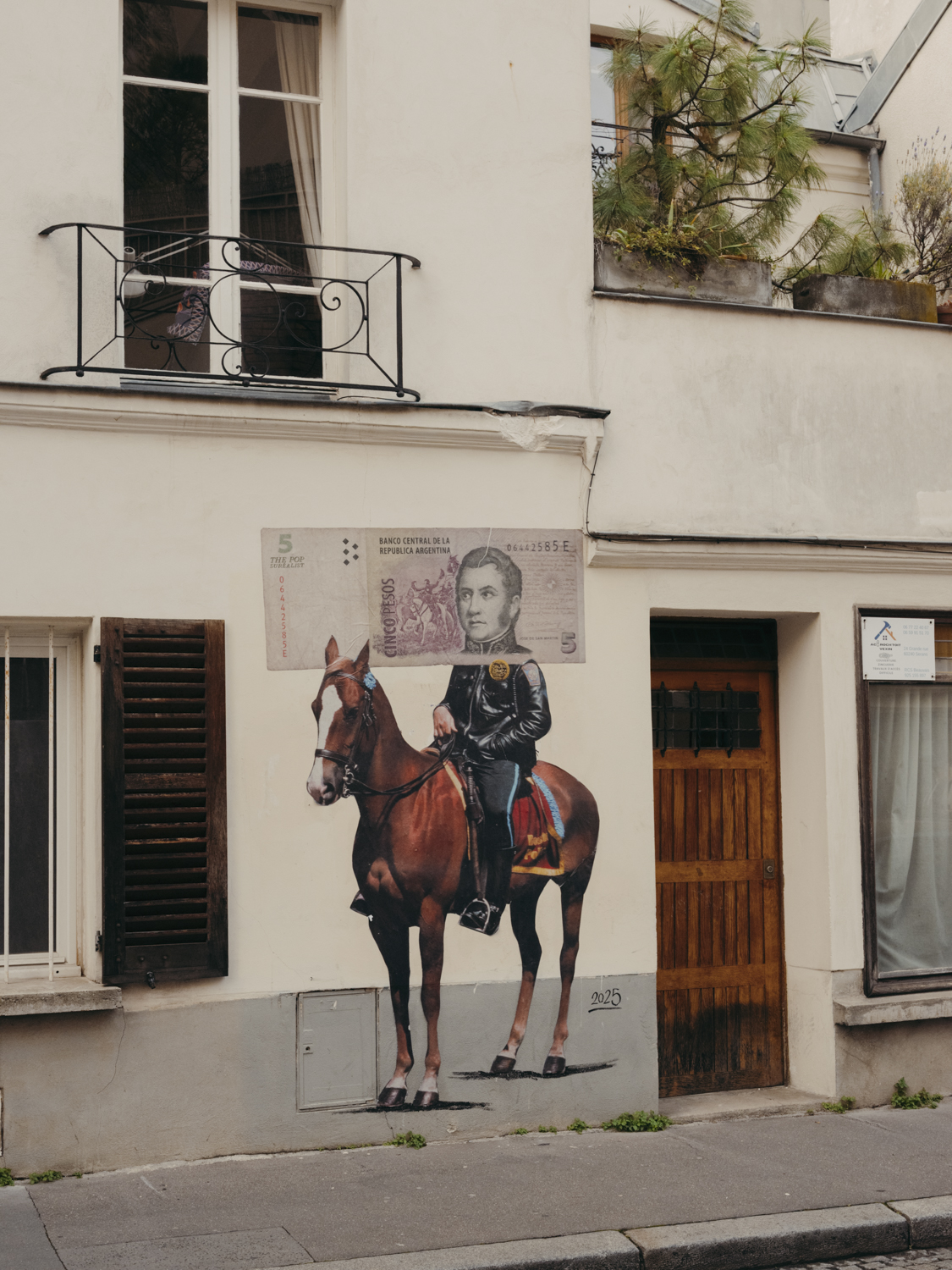
In the 1980s, following the rise of hip‑hop, New York graffiti shaped a generation of French artists, but with a more narrative approach and a distinct aesthetic.
Unlike Berlin, Paris has fewer industrial wastelands, which has shaped a different reading of urban art.
Some neighbourhoods have become emblematic : Butte‑aux‑Cailles, Belleville, Ménilmontant, and the Canal de l’Ourcq. Want to explore this artistic Paris up close? Discover our private art tours.
Paris as a Living Work
Paris is a city where every stone carries a story.
Public art adds new voices to this ongoing narrative.
It reminds us that Paris is not only heritage, it is a permanent act of creation.
This vision of Paris as a living canvas is at the heart of our bespoke approach to the city.