
The places that earn their reputation
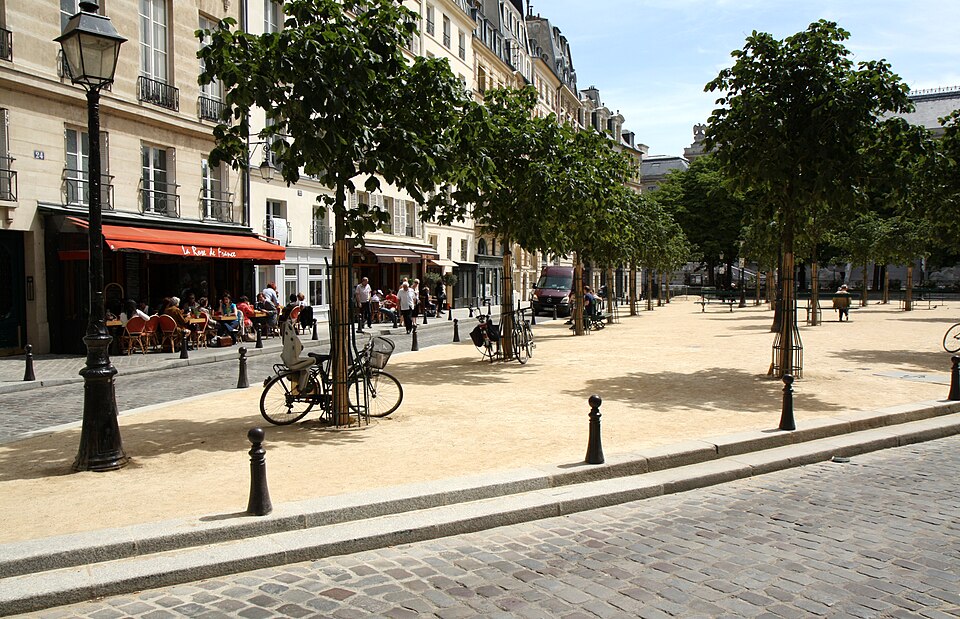
Place Dauphine
At the western end of Île de la Cité, a triangular square opens behind a narrow archway most visitors walk past without looking through. Place Dauphine has existed since 1607. Henri IV designed it. Yves Montand and Simone Signoret lived here for decades.
On a weekday evening, the square is quiet enough that you can hear the gravel shift under your feet. There are two or three café terraces and no souvenir vendors. It is one of the most romantic places in Paris, and it appears on almost no itinerary.
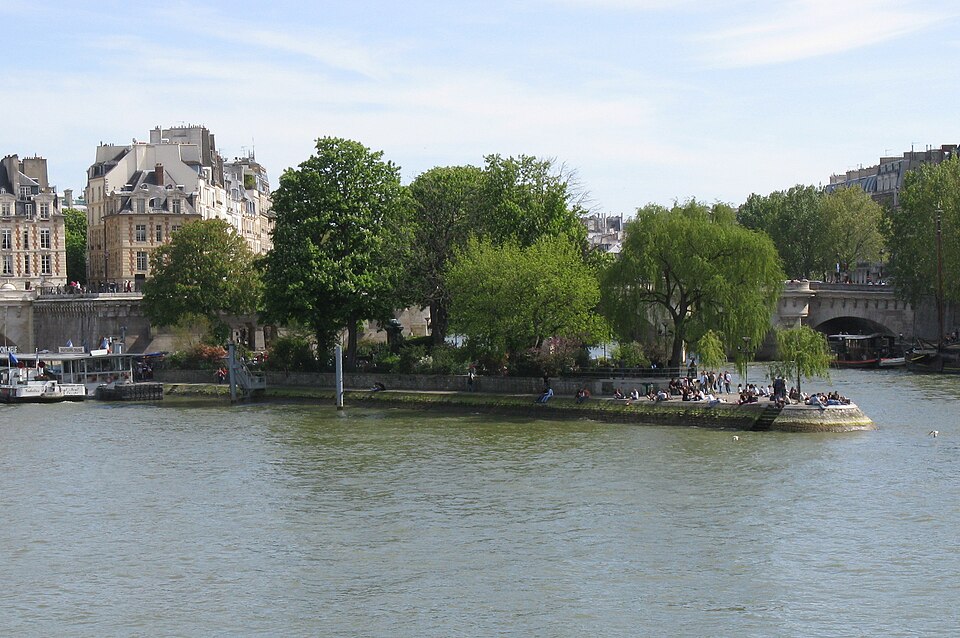
Square du Vert-Galant
Just below Place Dauphine, a stone staircase descends to the tip of the island — a narrow garden at water level, with the Seine moving on both sides and the Pont Neuf arching overhead. The city continues on all sides. Down here, it is somehow elsewhere.
Come at dusk. Bring wine, or don’t. The point is to be there.
The spots no guide mentions
Musée de la Vie Romantique
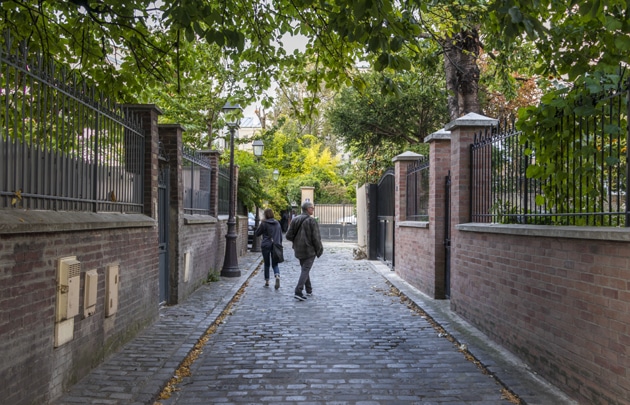
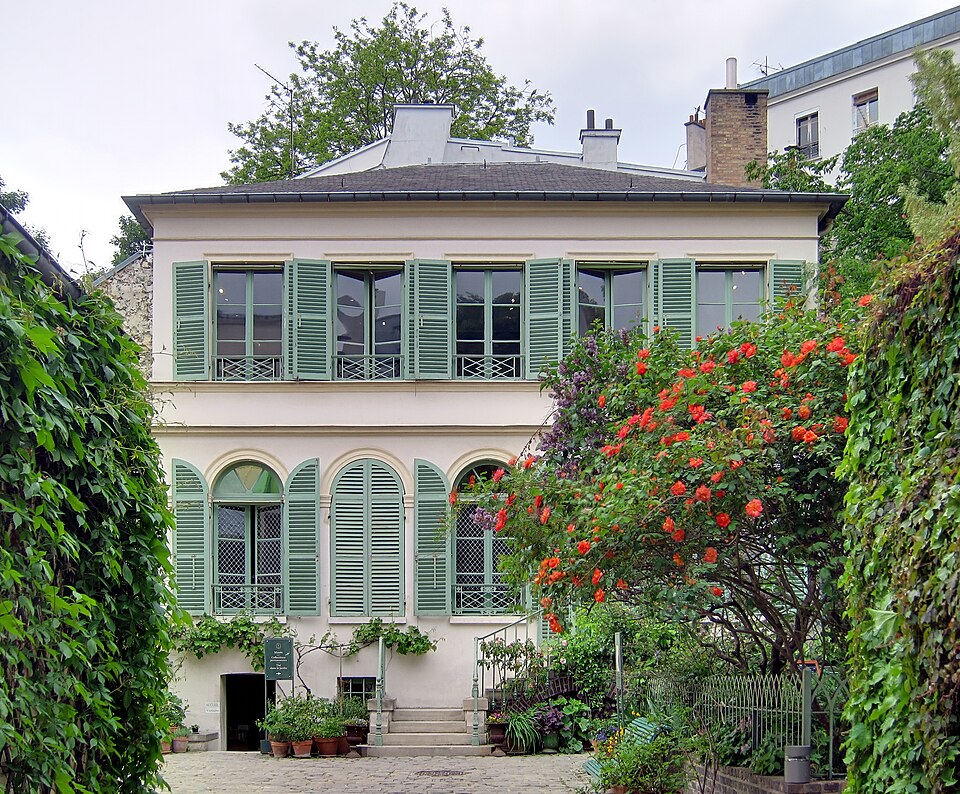
In the 9th arrondissement, a cobbled private lane leads to a small 19th-century villa surrounded by a rose garden. The museum inside is dedicated to the Romantic period — George Sand, Chopin, Delacroix, the era when Paris was consciously inventing the idea of itself as the city of love.
The garden café, open in warmer months, serves tea and cake under the trees. It is one of the most genuinely romantic afternoon stops in the city. The queue, when there is one, is usually short.
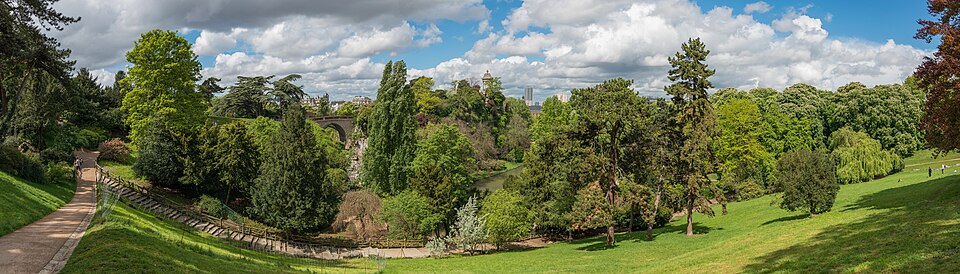
Parc des Buttes-Chaumont at golden hour
Most visitors never make it to the 19th arrondissement. The park there — steep, wooded, with a lake and a temple on an island accessible by a narrow bridge — is one of the great urban landscapes of Paris. Napoleon III commissioned it. Haussmann built it. Parisians use it without fanfare every day.
In the hour before sunset, the light on the water and the city visible below the northern edge of the park create the kind of scene that requires nothing from you except presence.
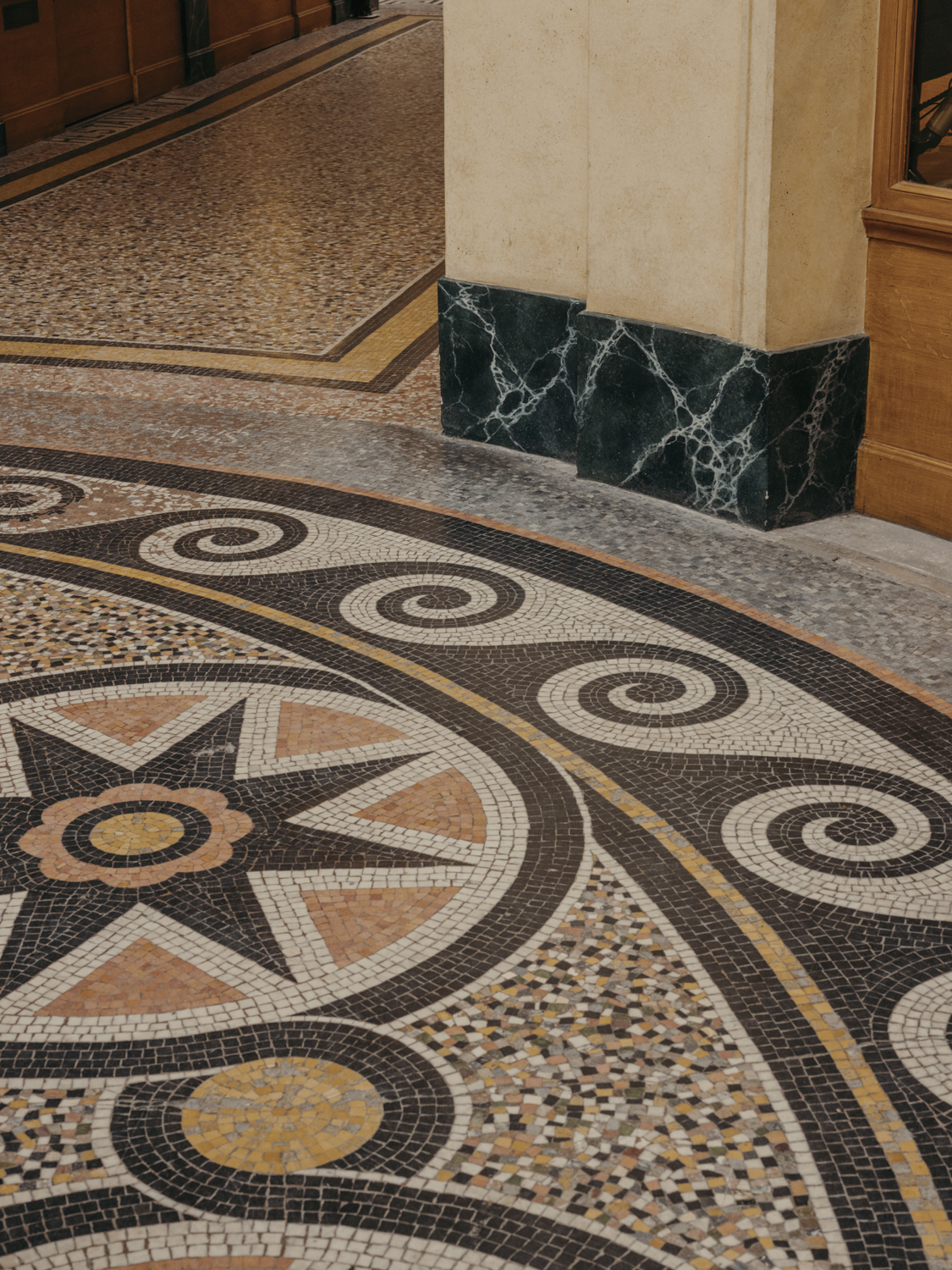
An evening that deserves the occasion
Galerie Vivienne after 6pm
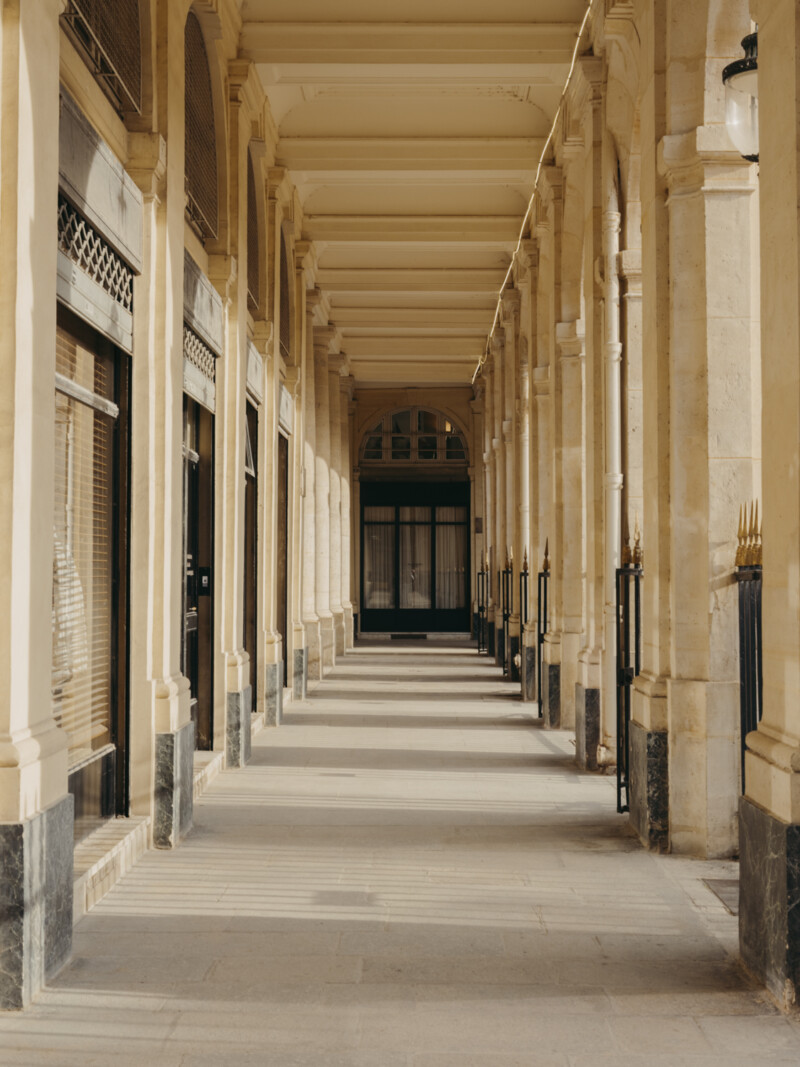
The covered passages of Paris are at their best in the early evening, when the shops are closing and the light comes through the glass ceiling at an angle that turns the mosaic floor gold. Galerie Vivienne, near the Palais Royal, is the finest of them. A wine merchant at number 13 has been part of the passage’s atmosphere for years. The bottles are serious. The conversation, if you invite it, is more so.
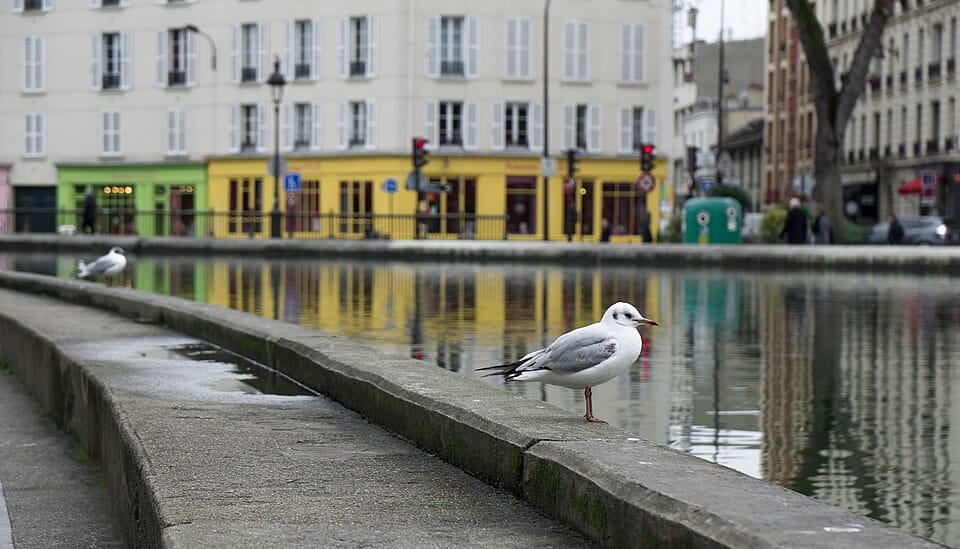
Canal Saint-Martin on a Tuesday
The canal’s reputation as a romantic spot is deserved, but the weekend version — crowded, photographed, performed — is not what earns it. Come on a Tuesday evening, when the locals have reclaimed the banks, and the water reflects the iron footbridges without competition.
On building a romantic day in Paris
The difference between a romantic day in Paris and a pleasant one is rarely the location. It is the pace, the specificity, and the quality of attention brought to it.
If you want to build a day around two people: their interests, their rhythm and the kind of afternoon they will still describe in ten years — that is precisely what a private experience with Re-Situ is designed for.
→ Further reading: Paris for couples — beyond the obvious
No two evenings are the same.