Paris in 3 Days : the Itinerary for Travellers Who Refuse to Be Tourists
Three days in Paris. We’ve heard people say it isn’t enough. We’ve also seen people do three days and come home with something that stays with them for years. The difference has nothing to do with how much ground they covered.
It has everything to do with how they chose to move through the city.
We’ve been showing people Paris for a long time. What we know for certain is this : most itineraries, the ones in the magazines, the ones the hotels hand out, the ones built around a list of twelve must-sees, are designed to make you feel like you’ve done Paris. They are not designed to make you feel Paris. Those are very different things.
This one is designed for the second kind of trip.
A word before we start
We’re not going to pretend the Eiffel Tower isn’t worth seeing. It is. Notre-Dame, the Louvre, Versailles, we understand why they’re on every list. They are genuinely extraordinary. But they have also become experiences that happen around the monument rather than with it. The queues, the noise, the guided groups moving in tight formation, none of this helps you feel anything except tired.
If you have three days, you don’t have time for all of that. You have time to actually be in Paris. There’s a difference. A significant one.
Three focused days without a single queue will give you more than five days of ticking boxes.
Day 1 : Start on the Right Bank. Start slowly.
Early morning, Palais-Royal
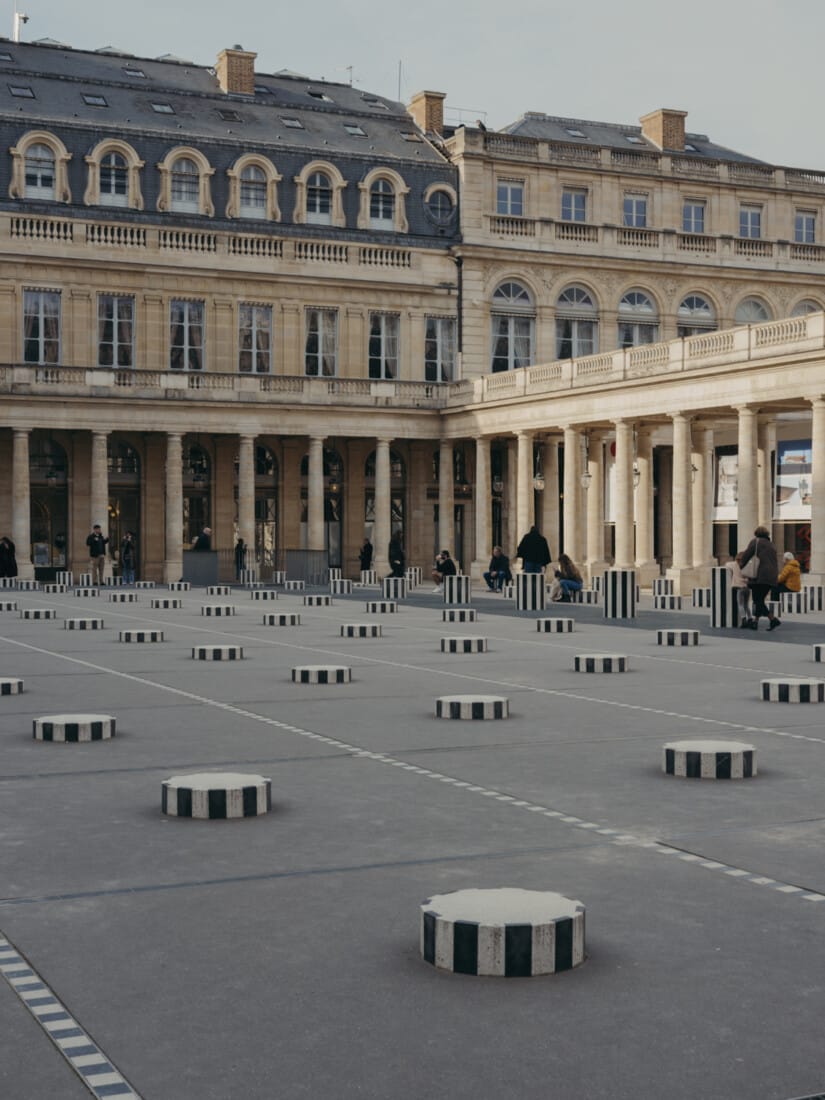
Go to the Palais-Royal. Before 9am if you can. This is non-negotiable.
We bring almost every guest here first, regardless of what they’ve asked to see. Not because it’s a hidden gem, it isn’t, really, locals know it well, but because it does something to people. The garden is so geometrically calm, so surprisingly human in scale after the grandeur of the Louvre next door, that it tends to reset expectations about what Paris is going to feel like.
And the history of the place is extraordinary. This garden was, for most of the 18th century, the most dangerous and most exciting address in the city. Gambling dens above the arcades, pamphlets being handed around below them, revolutionary meetings in the coffee houses. The kind of place where anything could happen and usually did. You can feel something of that charged history if you arrive before the tourists do.
Mid-morning, Into the passages
From the Palais-Royal, walk east into the 2nd arrondissement. Most visitors skip the 2nd entirely. This is a mistake.
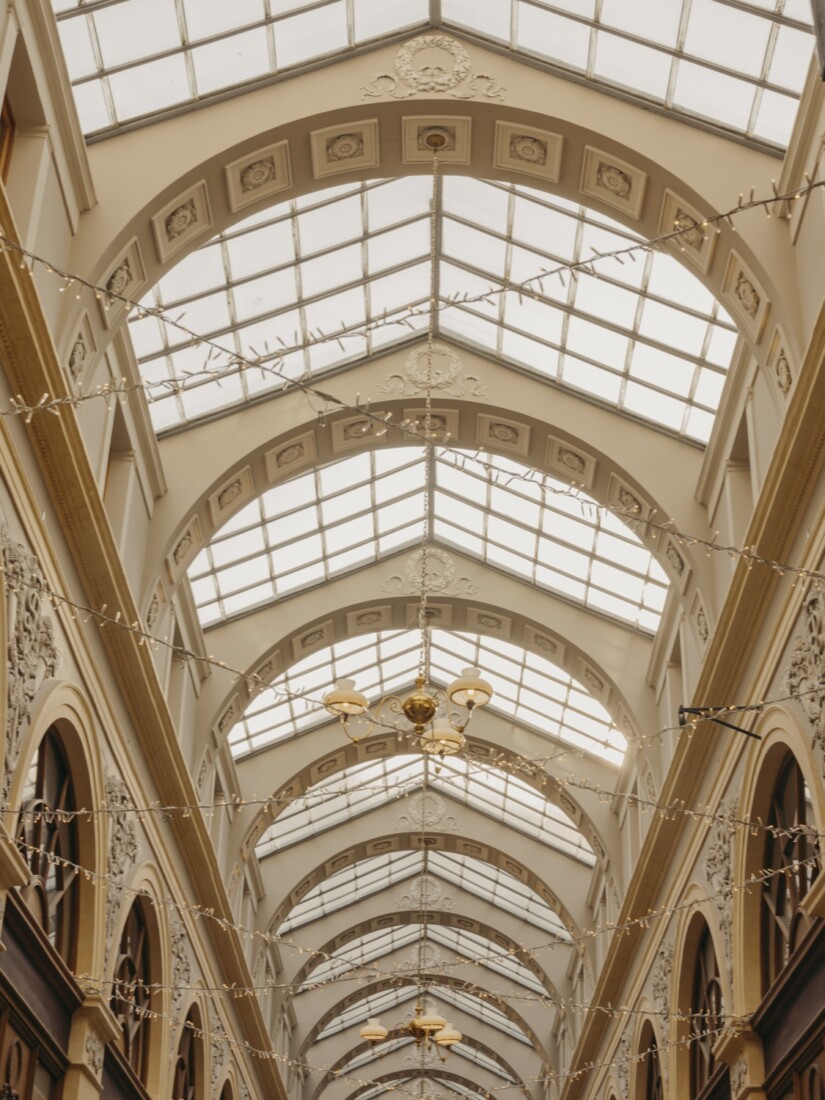
Find Passage du Grand Cerf on Rue Dussoubs. It’s the most beautiful of all the covered passages, three floors of wrought-iron galleries under a glass roof, and somehow it gets a fraction of the visitors that Galerie Vivienne does. We’ve never understood why. Go and see for yourself.
While you’re in the neighbourhood, Librairie Jousseaume in Galerie Vivienne is worth twenty minutes. The oldest bookshop in Paris, trading since 1826. Antique prints, maps, leather-bound volumes. Our guests rarely leave without buying something.
Lunch, Northern Marais
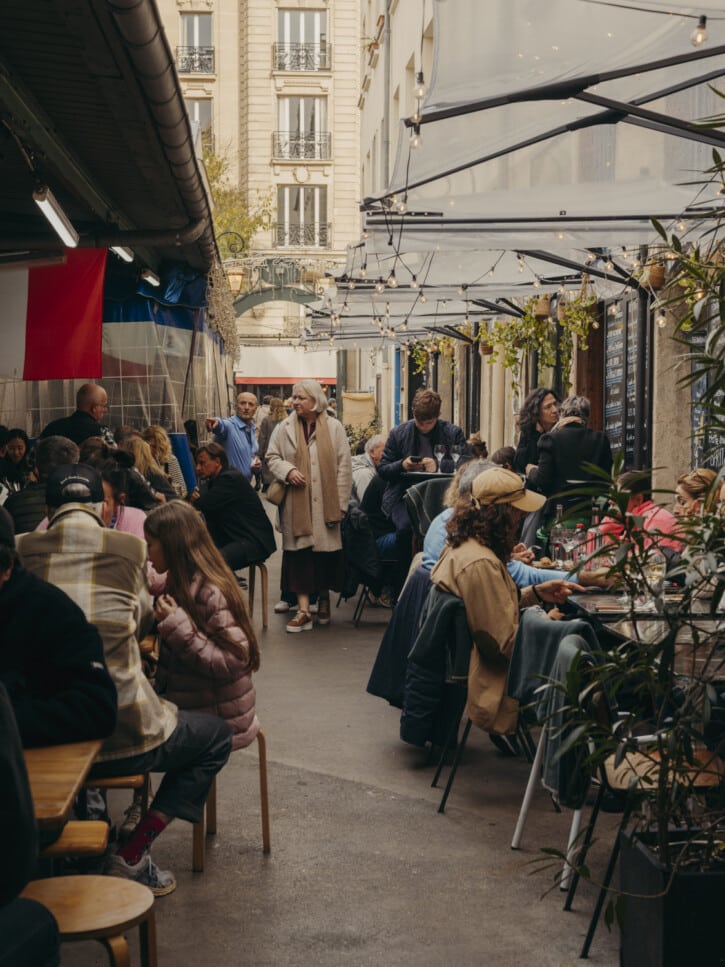
Walk south into the Marais. Rue de Bretagne and the Marché des Enfants Rouges, the oldest covered market in Paris, from 1615, for lunch. Nothing elaborate. A plate, a glass, a bench if you can find one. The northern Marais still functions as a neighbourhood rather than a tourist destination. That’s the version you want.
Afternoon, Le Marais in layers
Spend your afternoon in the Marais. But please, don’t just wander aimlessly, this neighbourhood has ten centuries of history and it rewards a little intentionality.
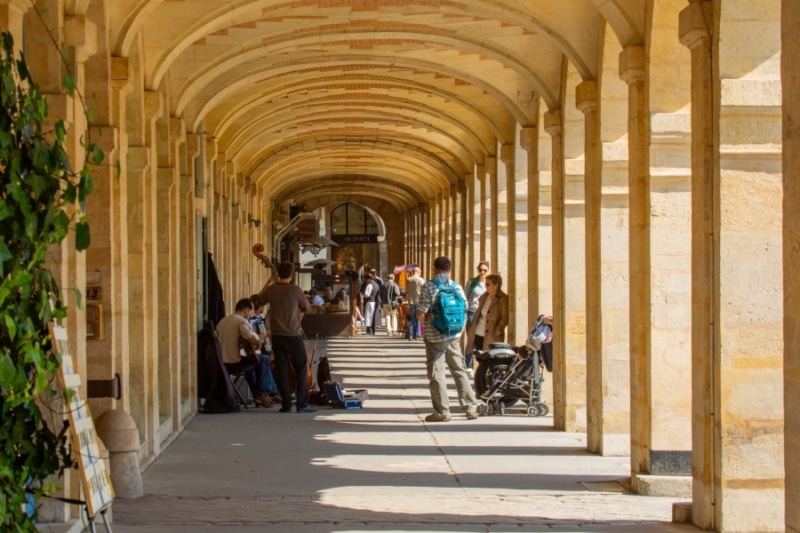
Place des Vosges first, but arrive through the northern arcades rather than the main entrance on the south. The difference in how the square reveals itself is remarkable. Then ask yourself : how is it possible that this exists, that it’s this beautiful, that it’s been here since 1612, and that half the people in it are looking at their phones?
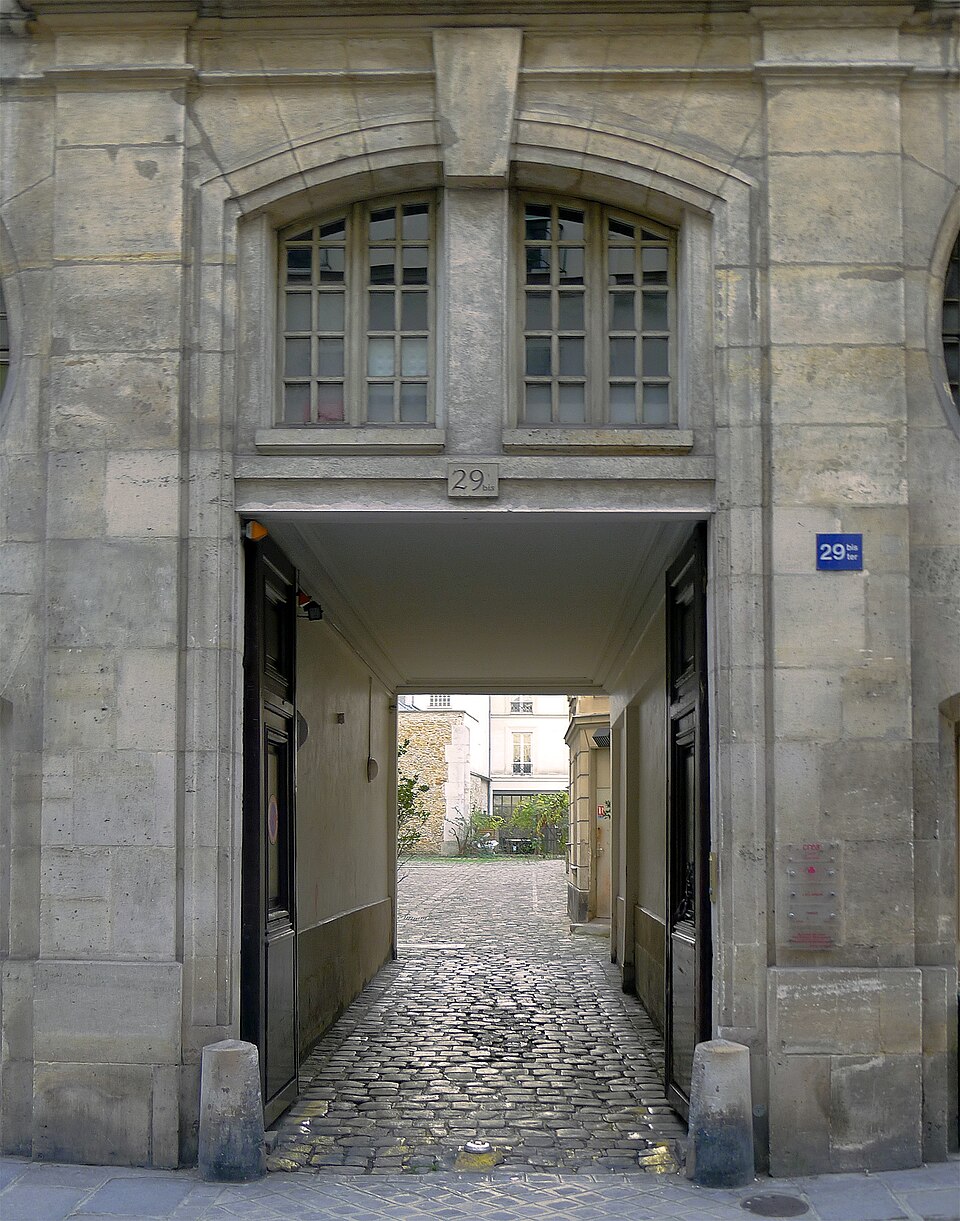
Then find Cour Damoye. The gate is at 2 Place de la Bastille, just to the right of the metro exit on the east side. Push it open. A cobblestone courtyard appears, artists’ studios, silence, the 19th century intact. The city noise drops away immediately. This is the kind of place we live to show people.
Evening, The lower quais
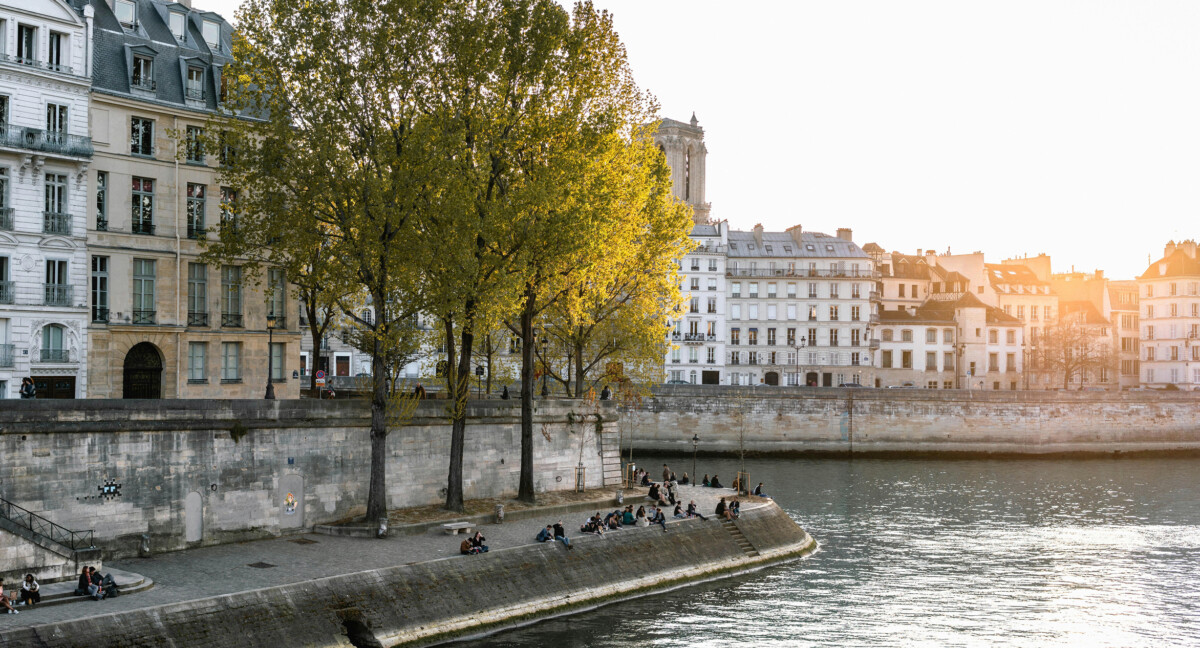
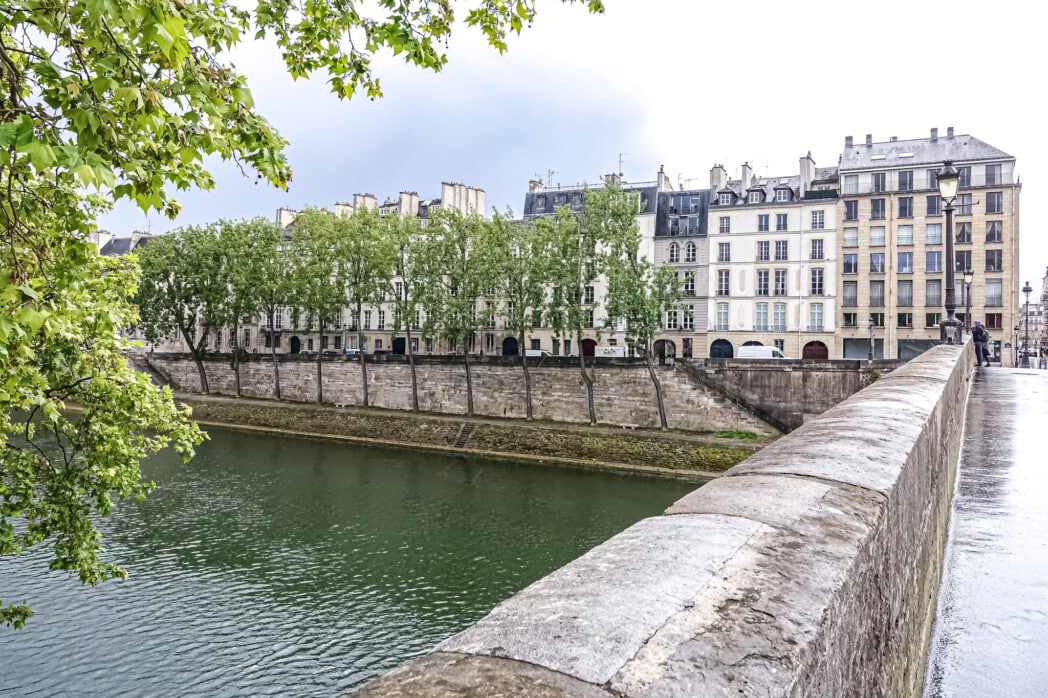
Walk to the Seine as it gets late. The lower quais between Pont Marie and Pont de Sully, on the Île Saint-Louis side. Go down the stone steps to the level below the road. It’s quieter down there. The light does things to the water that are hard to describe. Stay until you don’t want to leave.
This is the Paris we love. It costs nothing. It’s available to anyone. Almost nobody does it.
Day 2 : The Left Bank, but not the one from the postcards
Morning, Café de la Mairie
Saint-Germain-des-Prés is a neighbourhood we have a complicated relationship with. The myth, Sartre, de Beauvoir, existentialism in a cloud of Gauloises, is essentially gone, replaced by luxury boutiques and tourists photographing the façade of Café de Flore. The place itself, though, still has something if you know where to look.
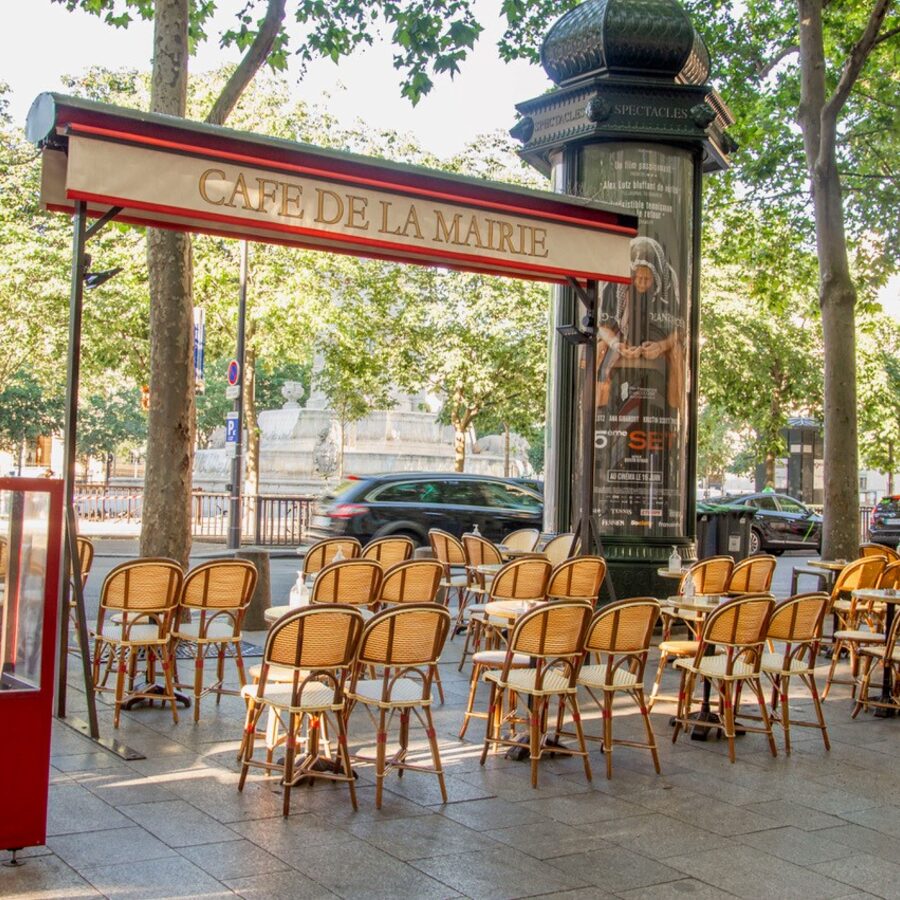
Start at Café de la Mairie on Place Saint-Sulpice. Not the Deux Magots. Not the Flore. The Café de la Mairie.
Hemingway used this café when the famous ones got too crowded. It has a zinc counter, a view of the fountain, and coffee that tastes the way it’s supposed to taste. No famous name above the door, no literary history carved into a plaque out front. Just a café that works as a café. Sit for an hour. Read something if you’ve brought it. Watch the square.
Mid-morning, 2,000 years in a garden
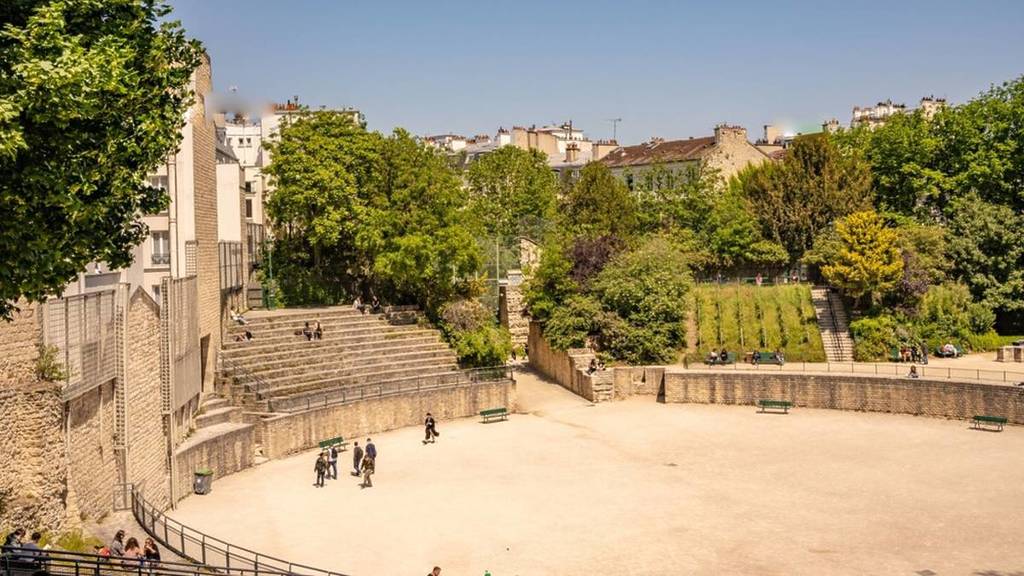
Walk east to the Jardin des Arènes de Lutèce, Rue Monge, in the 5th. This is a Roman amphitheatre from the 1st century AD. It was buried, forgotten, rediscovered during Haussmann’s demolitions in the 19th century, and is now a neighbourhood garden where old men play pétanque on summer afternoons.
The scale is quietly astonishing. You are standing in something that was eight centuries old when Notre-Dame was built. There’s rarely anyone there. We’ve brought guests here who have visited Paris a dozen times and never found it.
Lunch, Keep it simple
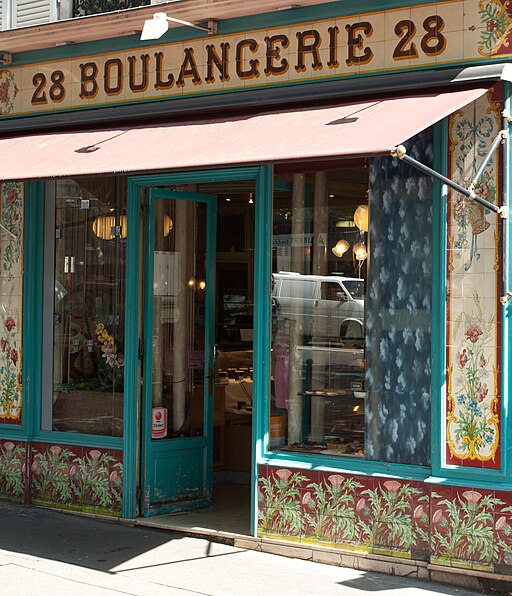
Find a boulangerie you trust, in the 5th there are several, and eat in the Jardin du Luxembourg. Go through the smaller south gates. Find a metal chair near the fountain. Watch Parisians eat lunch. Nobody is in a hurry. You shouldn’t be either.
Afternoon, The Musée d’Orsay, on your own terms
The Musée d’Orsay should be on this itinerary. The way most people visit it shouldn’t be.
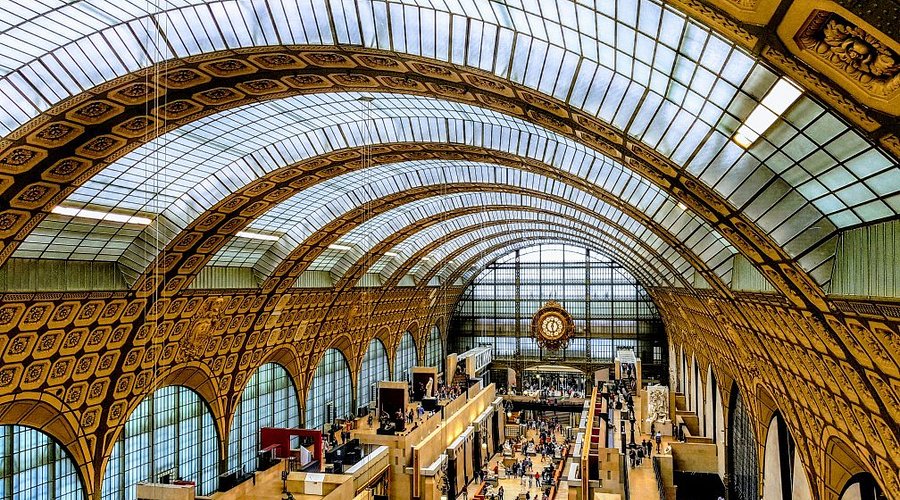
Go at 4pm. Book your entry time in advance, this is the one practical concession this itinerary asks of you. Go directly to the top floor and the Impressionist rooms. Give yourself ninety minutes, not four hours. Choose ten paintings to look at properly. Not twenty. Not forty. Ten.
Then have a coffee in the café on the upper level and look out through the station clock over the Seine. This is a better view of Paris than anything you’ll find at the top of the Eiffel Tower, and you’ll have it almost to yourself.
Evening
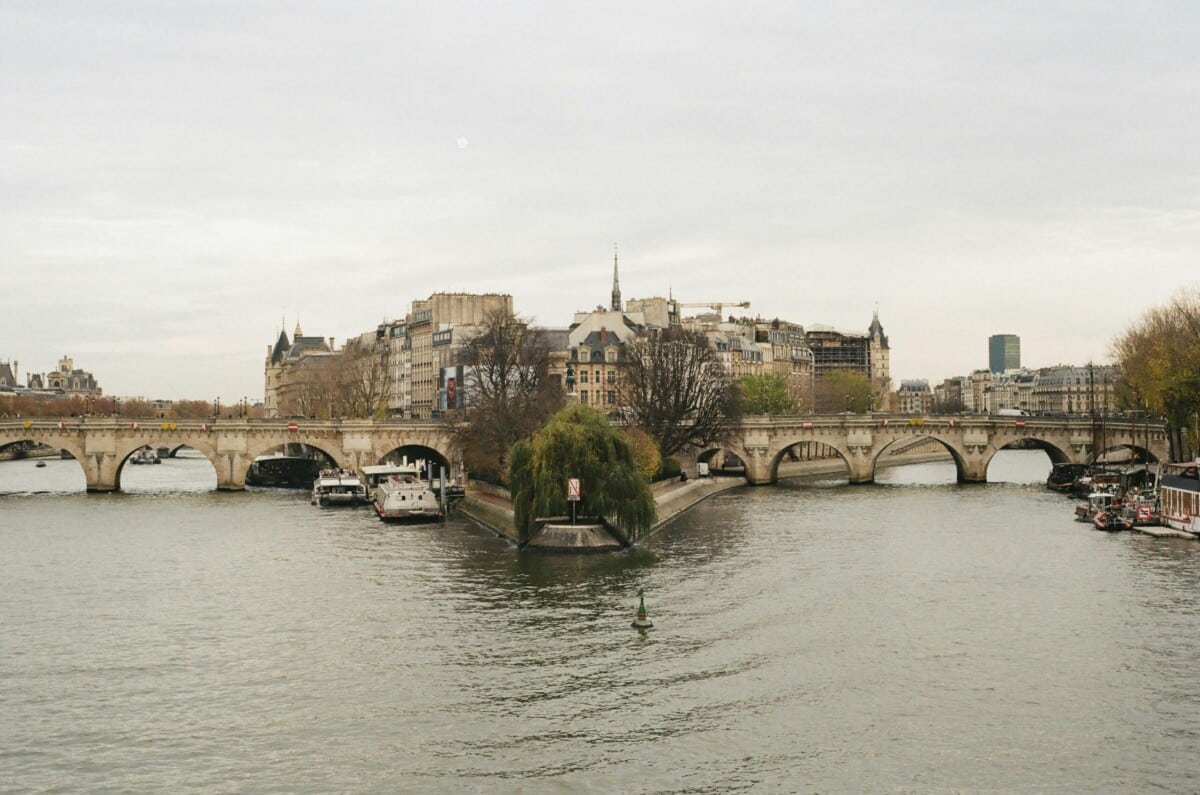
The tip of the Île de la Cité, the Square du Vert-Galant, at dusk. Willow trees, the Seine on both sides, Notre-Dame visible downstream. Bring something to drink. Stay.
Day 3 : The Paris Nobody Plans For
Morning, Belleville
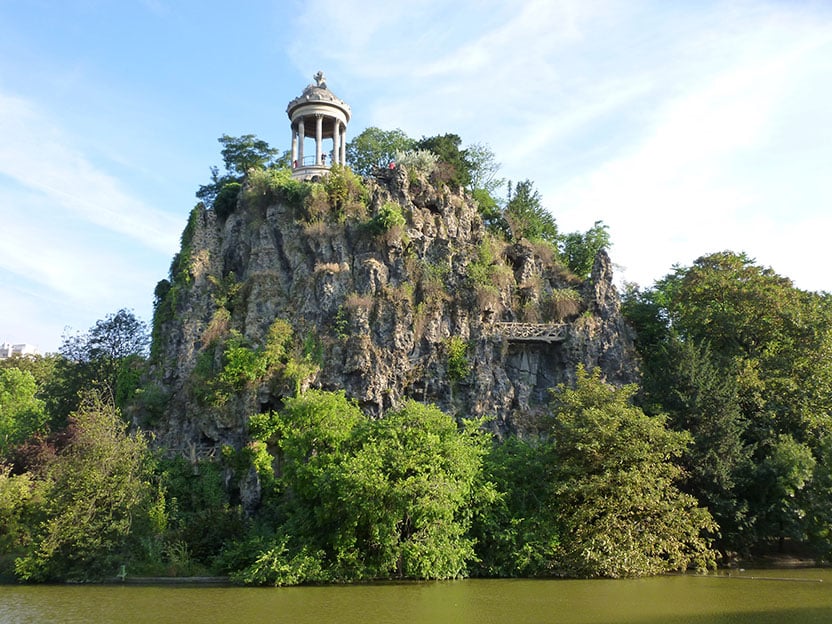
Start early. Take the metro to Belleville and walk up to Parc de Belleville, the highest park in Paris, and its most honest panorama. No barriers, no ticket, no tour guide with a flag. Just the entire city laid out in front of you and a bench to sit on. We come here when we want to remember why we love this city.
Walk down from the park through the streets of the 20th. This is a neighbourhood that still has the texture of a real Parisian arrondissement, not a destination, not a postcard, just a place where people live. The walk to the Canal takes twenty minutes and is worth every step.
Canal Saint-Martin on a weekday morning is one of the great simple pleasures of Paris. Art deco bridges, iron locks, plane trees, a boulangerie bag and a bench. Instagram has found it. But at 8am on a Tuesday it still belongs to you.
Mid-morning, A city above the city
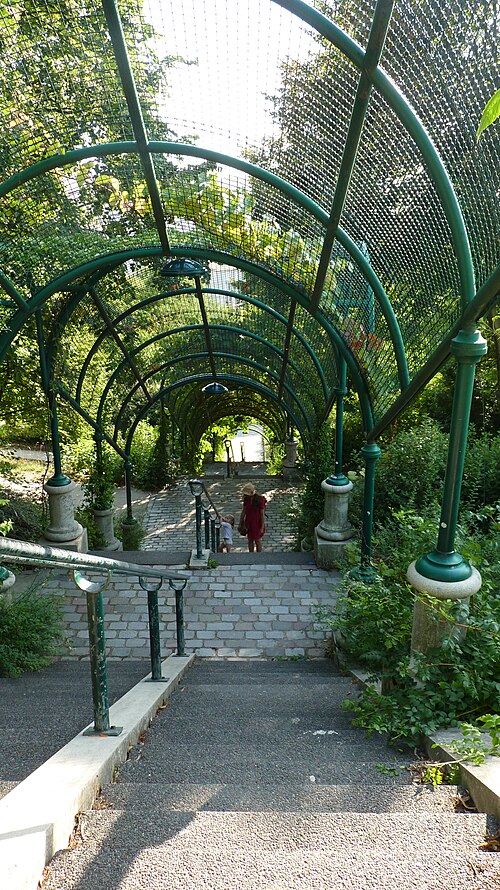
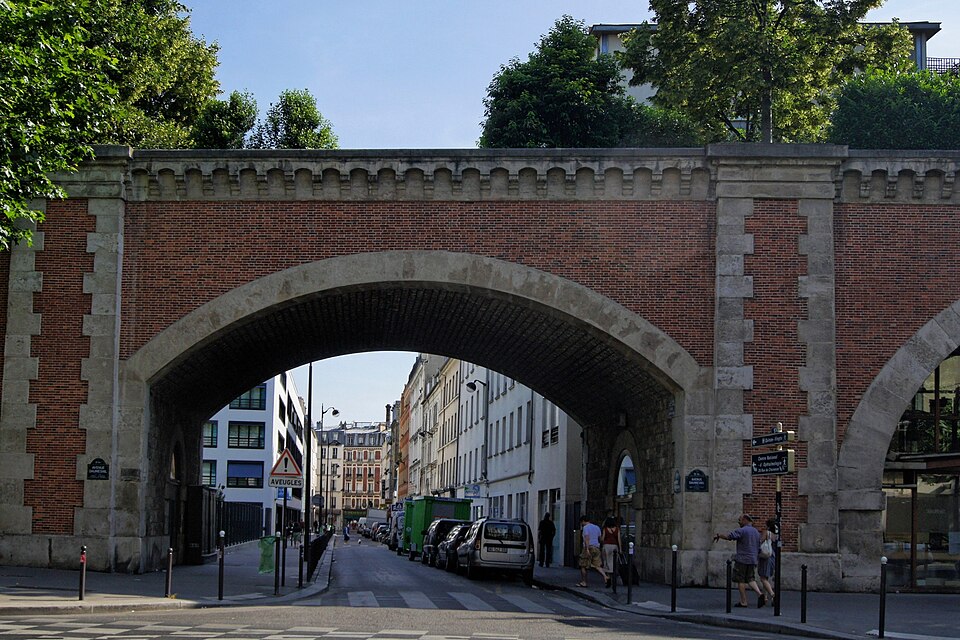
The Promenade Plantée is an elevated park built on a disused railway viaduct in 1993. It runs 4.5 kilometres above the rooftops of the 12th arrondissement. New York’s High Line was built twenty years later and gets infinitely more attention. That’s Paris for you.
Start at the Bastille end and walk east. Give it an hour. There are sections with wildflowers, sections with rose gardens, sections where you look down onto the rooftop terraces of apartment buildings and feel like you’re inside someone else’s private Paris. It’s extraordinary and almost always quiet.
Lunch, Marché d’Aligre
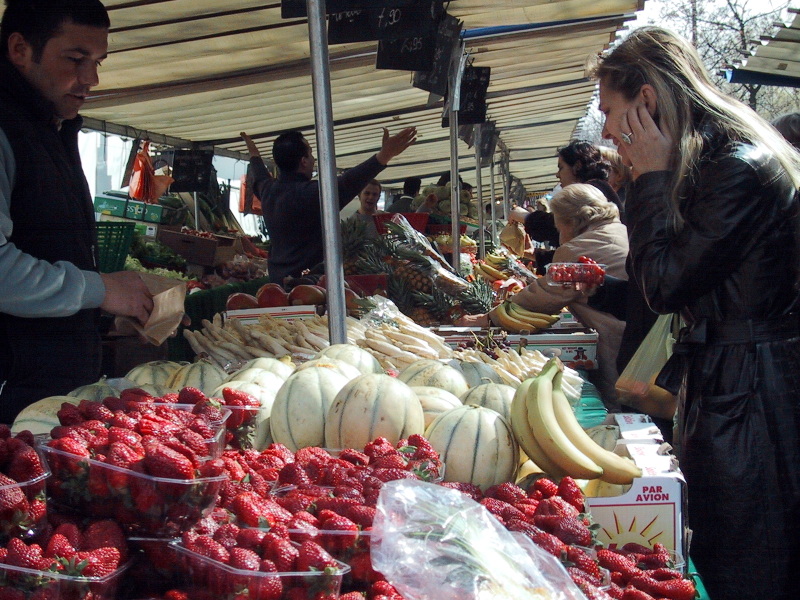
Descend to the Marché d’Aligre, it’s where we shop on Saturday mornings and where we bring guests who want to understand how Parisians actually eat. On a weekday it’s smaller but in some ways more itself. Cheese, bread, a glass of wine at the bar of the Café de la Mairie d’Aligre. Eat standing up if you have to.
Afternoon, One thing, chosen honestly
This is the part of the itinerary where we refuse to make a decision for you.
Here’s the thing : there are three places we could send you this afternoon, and the right one depends entirely on who you are.
If contemporary art is your thing : there are several galleries in the Marais worth your time right now. Ask us which one, because the answer changes.
If you want something singular and impossible to categorise : the Musée de la Chasse et de la Nature on Rue des Archives. A 17th-century mansion in the Marais containing taxidermy, Flemish hunting paintings, and contemporary art works in the most unexpected conversation. Our guests either love it immediately or take twenty minutes to understand what’s happening, and then love it. We’ve never taken anyone who regretted it.
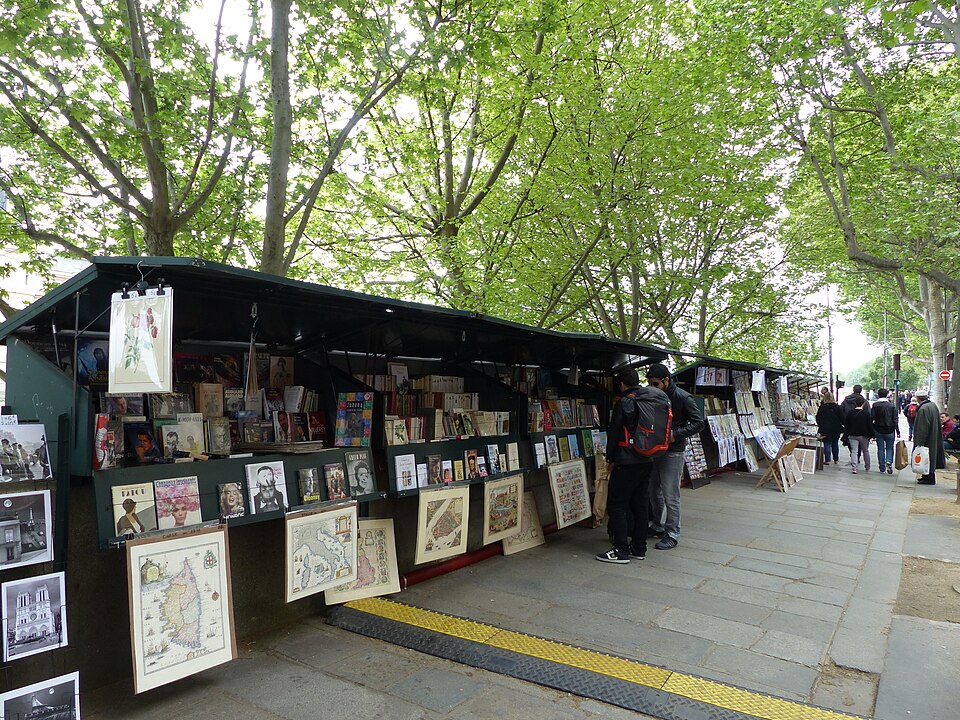
If you want to disappear into books : the bouquinistes along the Seine, the green-box booksellers who have been there since the 16th century, are the right answer. Give yourself two hours and no agenda.
That’s the afternoon. Follow what you’re actually curious about, not what the itinerary tells you to be curious about.
The practical things
Getting around : Walk. More than you think you should. The Métro is excellent but it puts you underground and removes you from the city. When walking isn’t practical, the Vélib’ bike-share system puts you at exactly the right speed.
When to start : Earlier than feels comfortable. Paris before 9am is a different city. A better one, in most ways.
What to book in advance : The Musée d’Orsay timed entry. Nothing else on this list requires advance booking.
The monuments : It’s not that they aren’t worth seeing. It’s that the experience around them, the queues, the crowds, the scale, often gets in the way of actually seeing them. Three days is too short to fight that battle.
If you’d like a guide
Everything in this itinerary can be done independently. That’s the point, it’s designed to be usable without anyone’s help.
But if you’d like someone on the ground with you : someone who can take you into a courtyard you wouldn’t have found, who knows the café owner on Rue Montorgueil and can get you a table on a Tuesday at 1pm, who has been reading this city for thirty years and can answer the question you didn’t know you had, that’s what Re-Situ does.
Private. Intimate. Built around what you’re actually interested in.
No two days are the same. Yours won’t be either.