Why Parisians don’t eat croissants every morning: unveiling the myth of the French breakfast
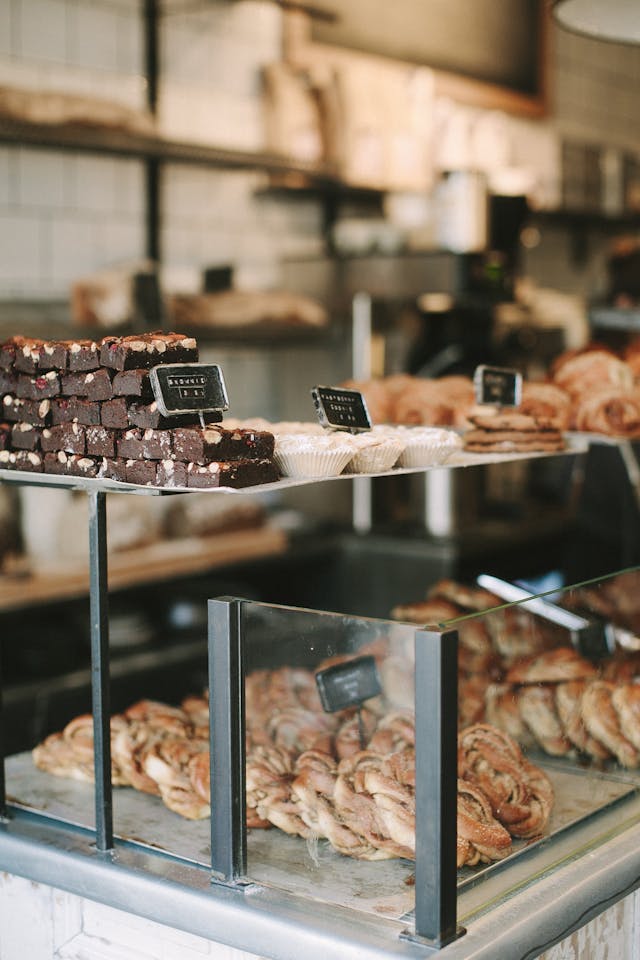
Step into a Parisian café on a crisp weekday morning and you might expect to spot locals quietly savoring golden croissants, lost in reverie. But look closer—something doesn’t quite fit. The iconic croissant, that buttery symbol of French mornings, is far less common than outsiders imagine. Rather than an everyday ritual, this flaky delight plays a very different role in real Parisian life. Let’s debunk why croissants are not eaten daily, reveal what genuinely happens at breakfast, and explore how truth diverges from postcard-perfect clichés.
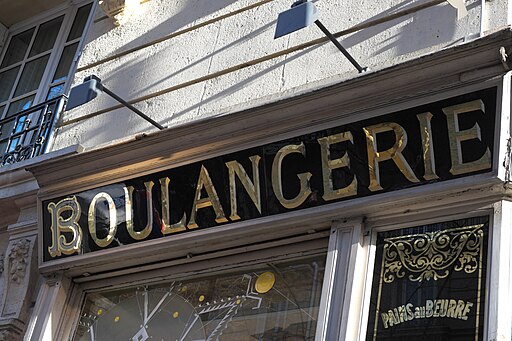
The myth of the daily croissant
The image of Parisians starting each day with a warm croissant has achieved near-mythic status abroad. Films, travel memoirs, and glossy ads all feed this irresistible fantasy. Yet ask any true local and you’ll get a knowing smile—croissants at breakfast are actually rare during the workweek.
This misconception about the French breakfast reveals more about visitors’ longings than about Parisian reality. The idea is seductive: who wouldn’t want to imagine themselves amid the scent of fresh pastry? Still, everyday life in Paris runs on a logic both practical and elegant—a logic that places the croissant firmly in the category of occasional treat.
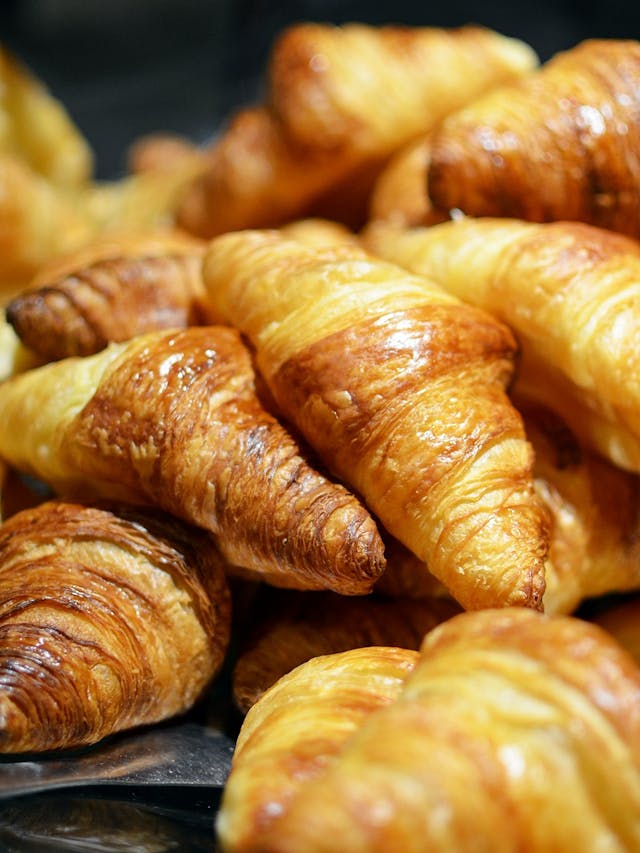
Croissants: reserved for weekends and special moments
If you stroll through the city at sunrise on a Monday, expecting baguettes and stacks of croissants under every arm, you’re bound to be disappointed. In truth, croissants are a treat, saved for weekends or special occasions when families linger over breakfast. Most weekdays, life moves briskly, leaving little time—or appetite—for such indulgence.
Adults typically bypass the bakery in favor of something simpler, while children rarely request croissants before school. These pastries belong to leisurely, festive mornings, not the backdrop of busy routines. However delicious, croissants are simply not regular breakfast fare in Paris.
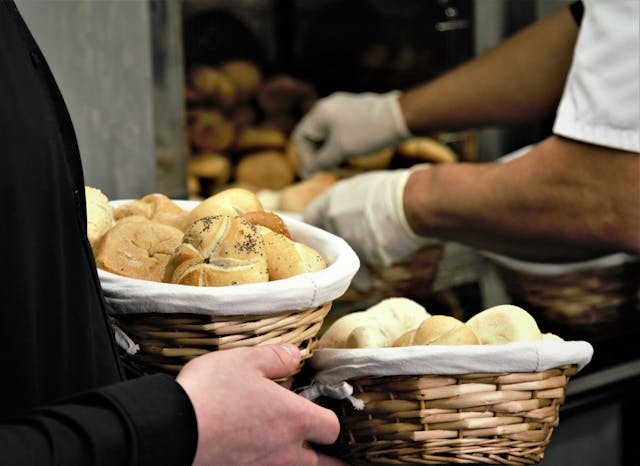
Health, restraint, and body image
Beneath the croissant’s allure lies a pragmatic approach to health. Parisians are keenly aware of what goes into their food—butter, sugar, and calories abound in each pastry. For many, especially women, body image and wellness play a subtle but persistent role in shaping eating habits.
The classic Parisian silhouette owes little to daily pastries. Sensible advice is passed down: enjoy croissants as an occasional pleasure, a reward after a long week or part of a celebratory spread. When it comes to weekly breakfast choices, the humble tartine—a simple slice of bread—is the undisputed winner, outnumbering croissants by far.
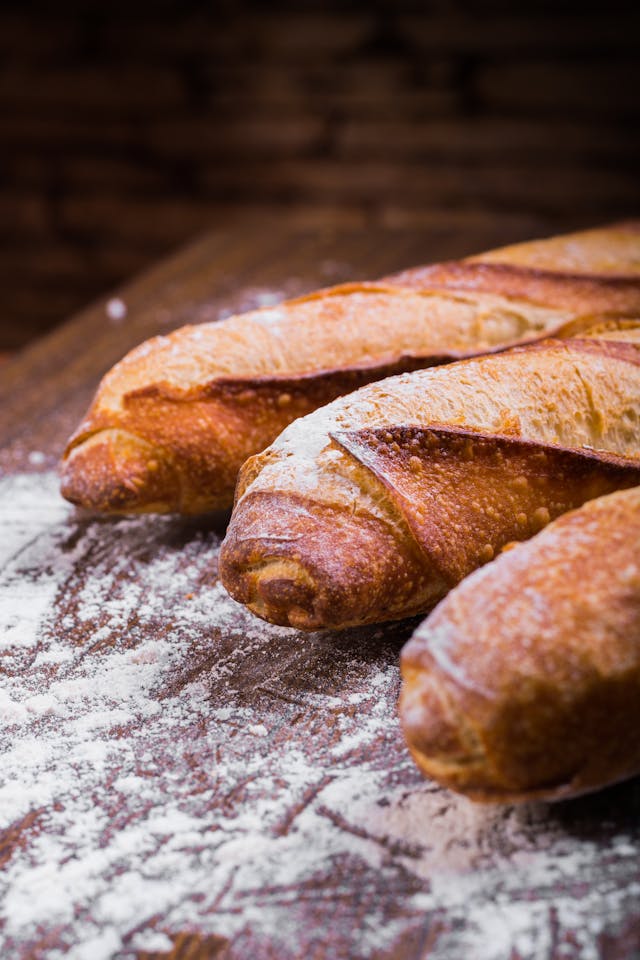
What Parisians really eat for breakfast
Wander through any arrondissement before nine o’clock, and a different scene emerges. While patisseries tempt with gleaming viennoiseries, authentic French breakfast foods are much more understated. If you’re looking to experience a more intimate side of the city, there are opportunities to join private tours in Paris that bring these quiet routines to life.
Coffee shops hum with activity, but most locals are ordering espresso to go, often paired with a tartine—fresh baguette with butter and jam. This quiet ritual, practiced since childhood, suits the pace of bustling weekday mornings. It’s quick, comforting, and perfectly attuned to the city’s rhythm.
- Tartine: Slices of baguette with salted or unsalted butter, sometimes brightened by fruit preserves.
- Café crème or espresso: Parisians prefer their coffee strong and straightforward, rarely indulging in milk-heavy options or elaborate blends.
- Fruit or yogurt: A bowl of plain yogurt and fruit suffices for the health-conscious.
- No elaborate eggs or savory staples: Scrambled eggs, sausages, or bacon are virtually absent from the typical home breakfast table.
This traditional, pared-down approach reflects both practicality and heritage. Rather than lavish spreads, Parisians embrace a simple, traditional French breakfast—a fleeting moment before plunging into the day’s demands.
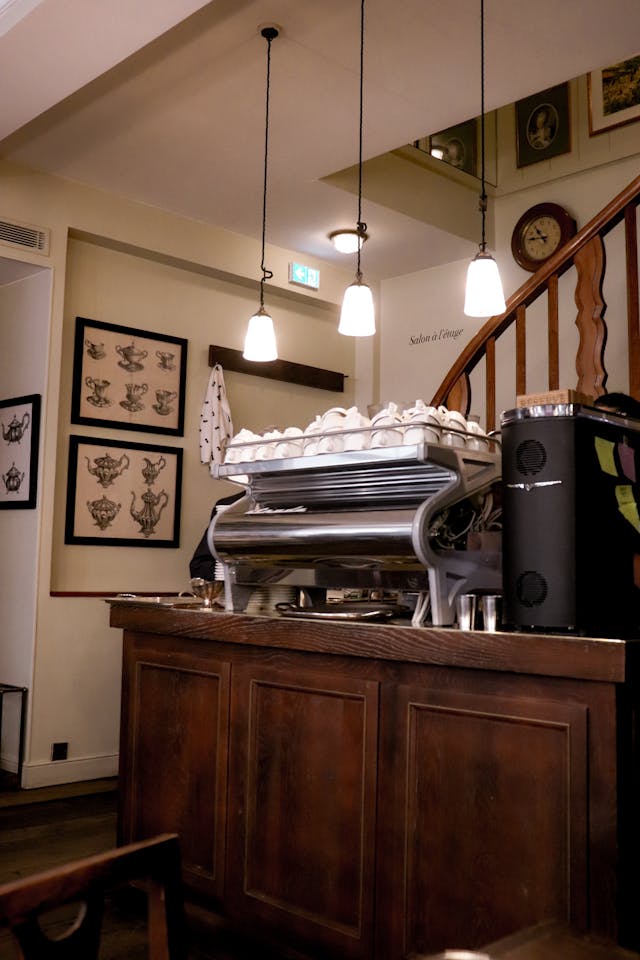
Café culture and the art of taking one’s time
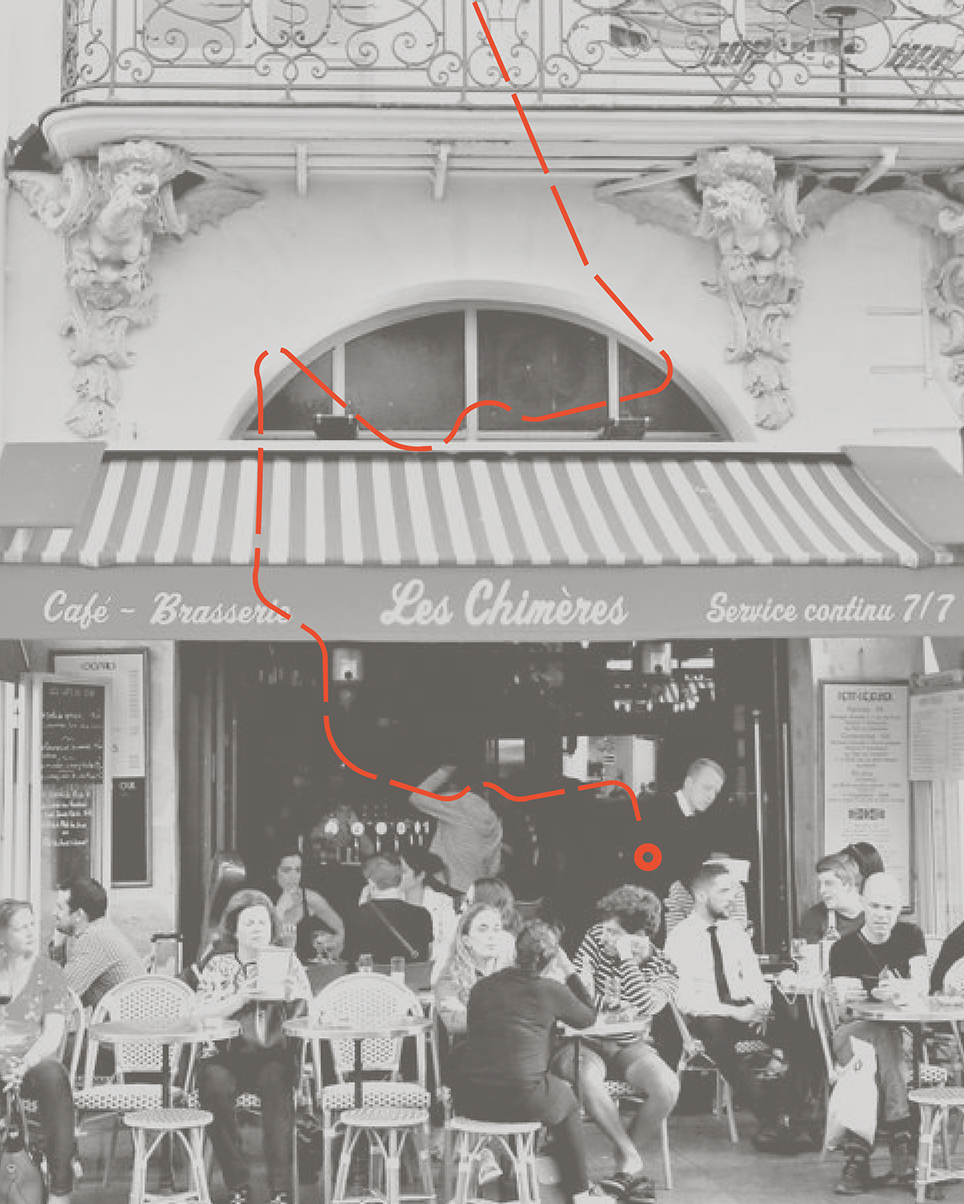
An exception exists for those with the luxury to linger. Retirees, freelancers, or weekend flâneurs may enjoy people-watching from a terrace, sipping a second cup and perhaps treating themselves to a pain au chocolat instead of a croissant. Such mornings are rare and cherished.
Even then, most locals opt for a tartine and coffee, maybe adding orange juice or a boiled egg if inspiration strikes. The display of pastries you see in tourist photos appeals mostly to visitors. Real café culture values conversation and observation above sugary abundance.
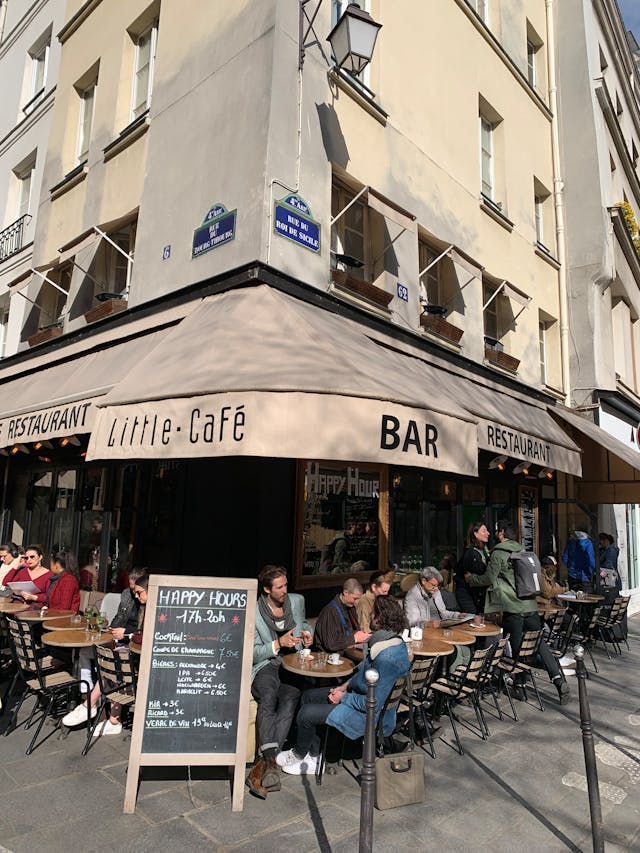
Marché rituals: breakfast takes a back seat
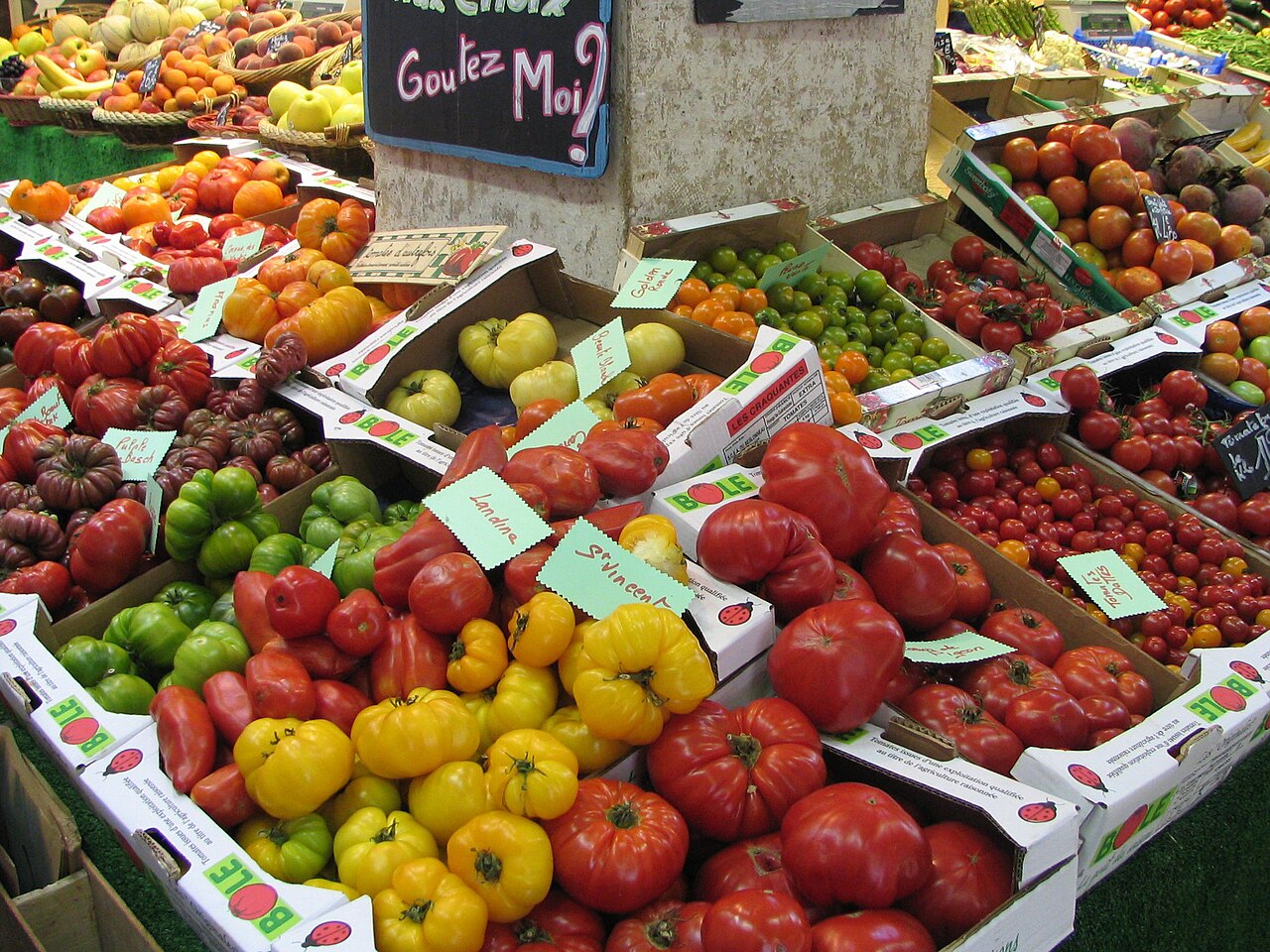
Another essential ritual unfolds at the weekly marché. Parisians flock to open-air markets for fresh produce and artisan breads — a ritual explored in depth in our Paris travel guides. Here, the focus is on quality ingredients and seasonal flavors—not sweet mornings.
A bite of cheese or fruit grabbed on the go is more likely than settling in for a heavy meal. Once again, real Parisian habits prevail over stereotypes.
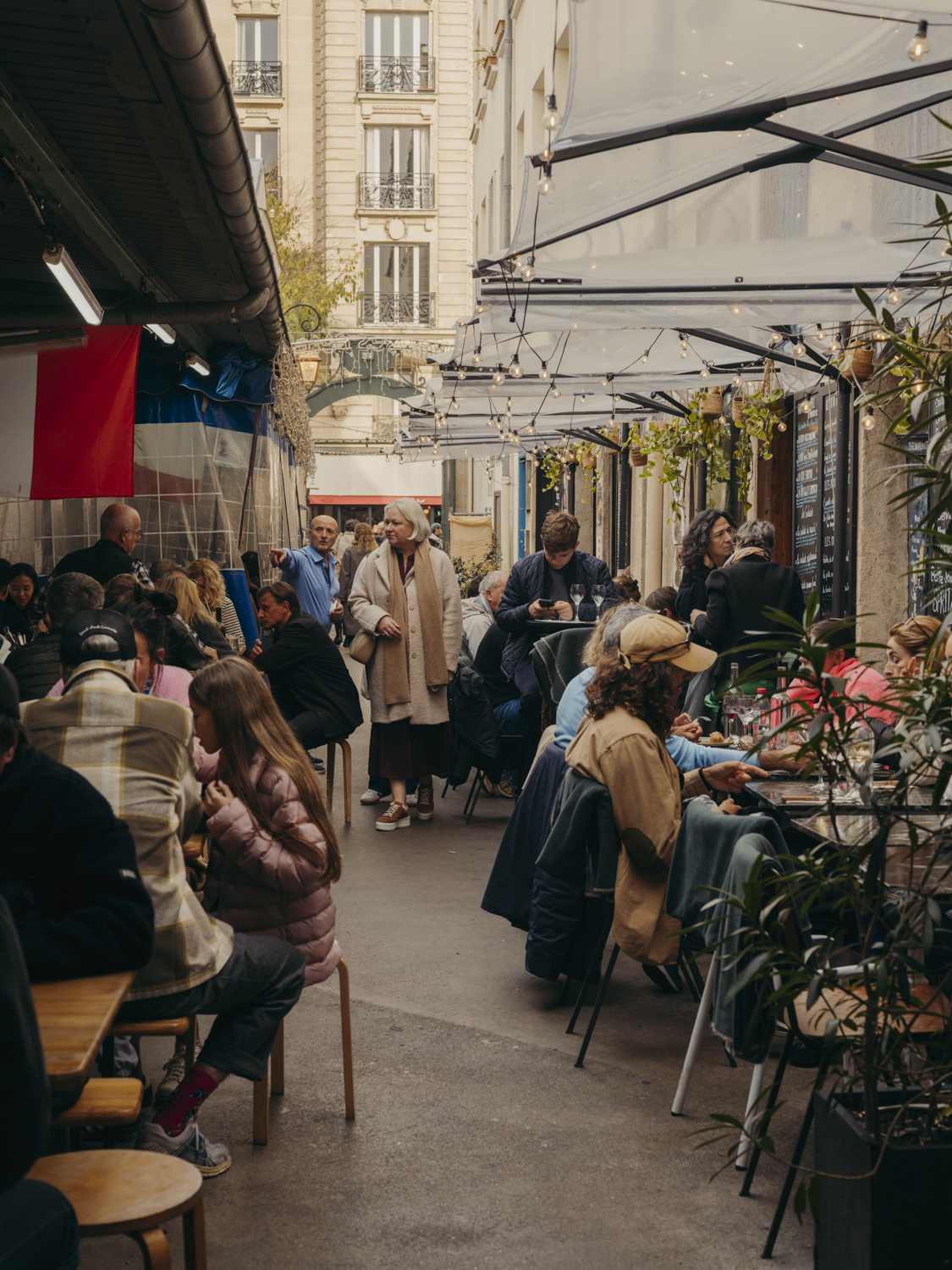
Parisian mornings : routines over rituals
Croissants may hold pride of place in the imagination, yet actual Parisian mornings tell a different story. Locals dash to the métro, scarfing down a tartine while scanning the news. Children wriggle into coats as parents juggle backpacks and coffee mugs—all before eight. Simplicity wins out, reserving indulgences for weekends, birthdays, or gatherings at a beloved pâtisserie.
Tourists’ mistaken beliefs crackle like autumn leaves beneath hurried feet, no match for the authentic tempo of Parisian life. The city’s true beauty lies in these contrasts between fantasy and custom—a secret best revealed by those who experience it daily.
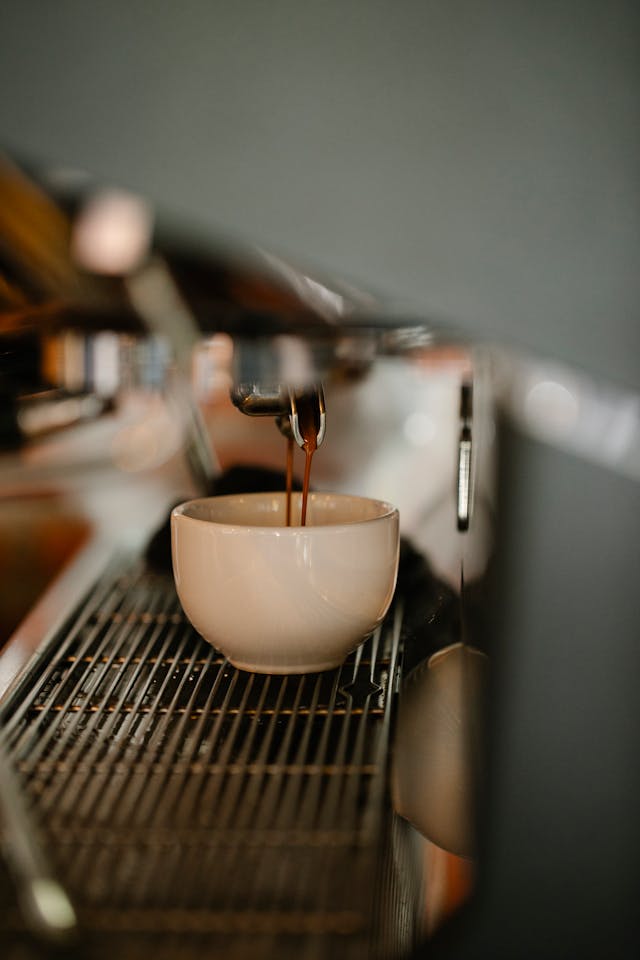
Discover the Paris only locals know
To truly taste Paris beyond the postcard myths, nothing compares to wandering its streets with someone who understands its discreet codes. Only a local guide reveals this hidden layer of Paris—showing that croissants are a treat and curating experiences richer than any cookie-cutter itinerary. For those seeking the city’s genuine spirit, trust a connoisseur of daily rhythms to unveil its secrets.
Next time you pass a boulangerie at dawn, remember: the real Paris awakens with understated charm, not excess. Discovering these nuances changes everything—including your first bite of bread and butter, savored amidst the gentle stirrings of a waking city. For a truly bespoke encounter with Paris, let yourself be guided by those who call it home. Explore more at Bespoke Paris.