The 10 Most Famous Paris Monuments,
and Why I Don’t Take You There
Paris is a city shaped by stone, iron, and light. Its monuments tell centuries of history, ambition, faith, and artistic brilliance. From soaring cathedrals to grand museums, these landmarks define the skyline and fuel the imagination of travelers from around the world.
I deeply respect these places. They are essential chapters of Parisian history, and visiting them can be a powerful experience. But as a private guide, my role is not to repeat what is already visible, explained, and documented everywhere.
I do not build my tours around the most famous Paris monuments – not because they lack beauty or meaning, but because they no longer offer intimacy, conversation, or surprise. Surrounded by crowds, queues, and fixed narratives, they often leave little room for the quiet, personal connection that reveals the living soul of the city.
Instead, I choose another path. One that leads through lesser-known streets, hidden courtyards, workshops, and neighborhoods where Paris is still experienced rather than consumed.
These monuments remain essential touchstones of Parisian history and identity. They deserve admiration – even from a distance.
If you’re curious about a more personal, human-scale approach to discovering Paris, I’d be delighted to craft a bespoke tour just for you.

The 10 Most Famous Paris Monuments
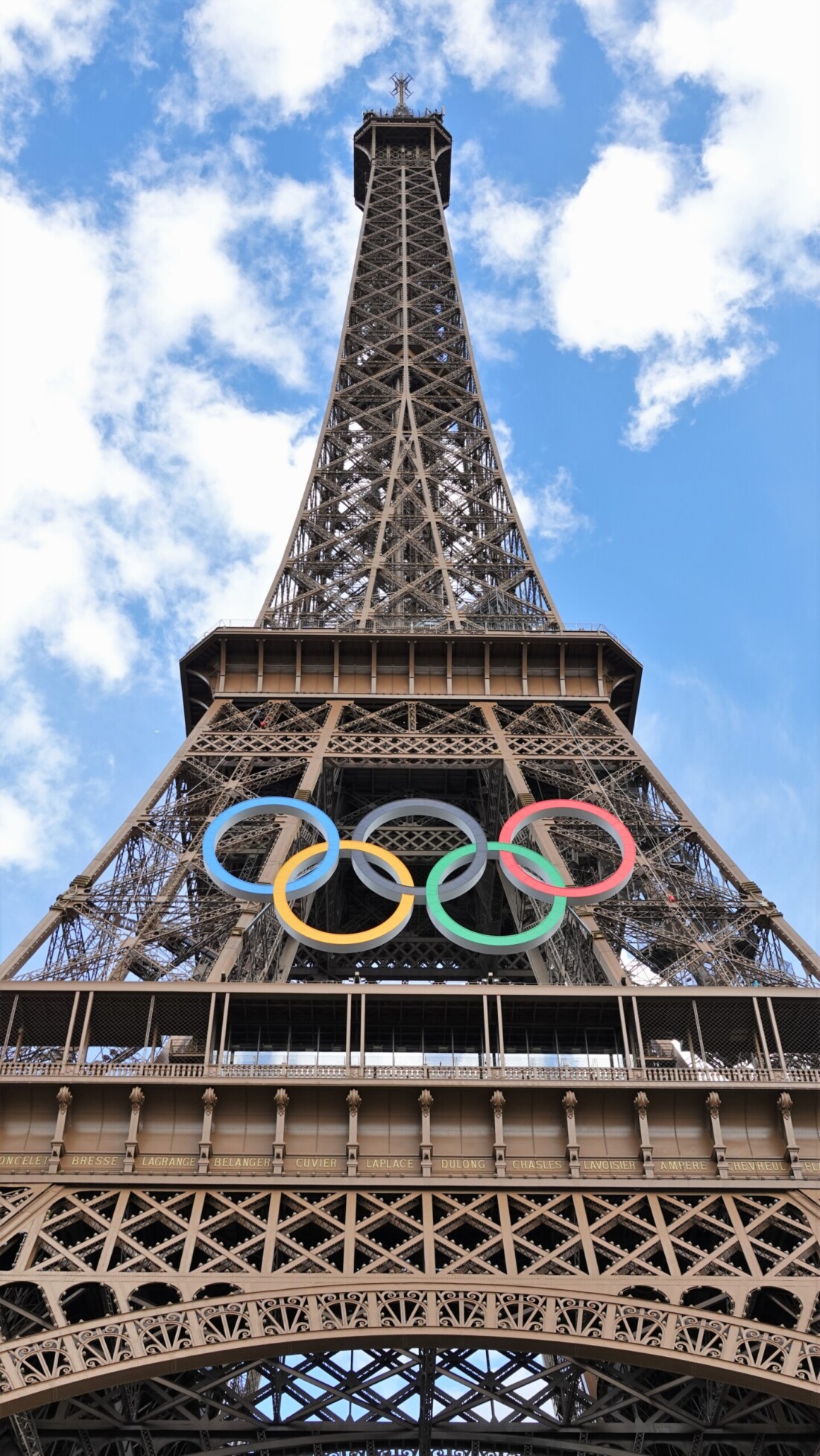
Eiffel Tower – The Iron Lady of Paris
No monument is more synonymous with Paris than the Eiffel Tower. Completed in 1889 for the World’s Fair, this 300-meter iron marvel was initially controversial – but it became the ultimate icon of modern engineering. Millions ascend its platforms each year, capturing sweeping views of the Seine and Paris rooftops.
But with long queues and constant crowds, the magic often fades. My tours favor quieter vantage points where the Iron Lady still impresses – from afar, and without the wait.
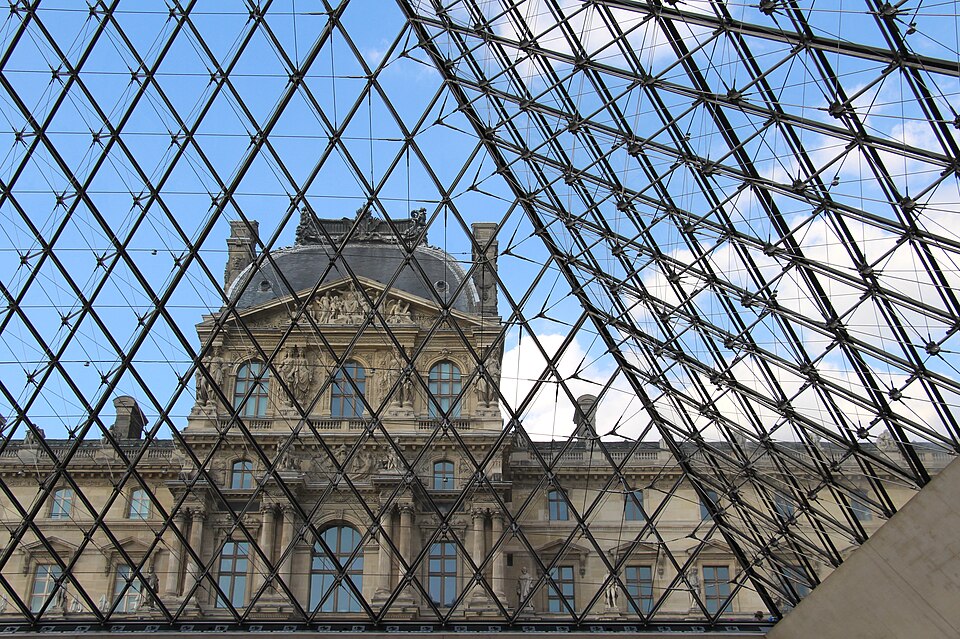
Louvre Museum – Home of the Mona Lisa
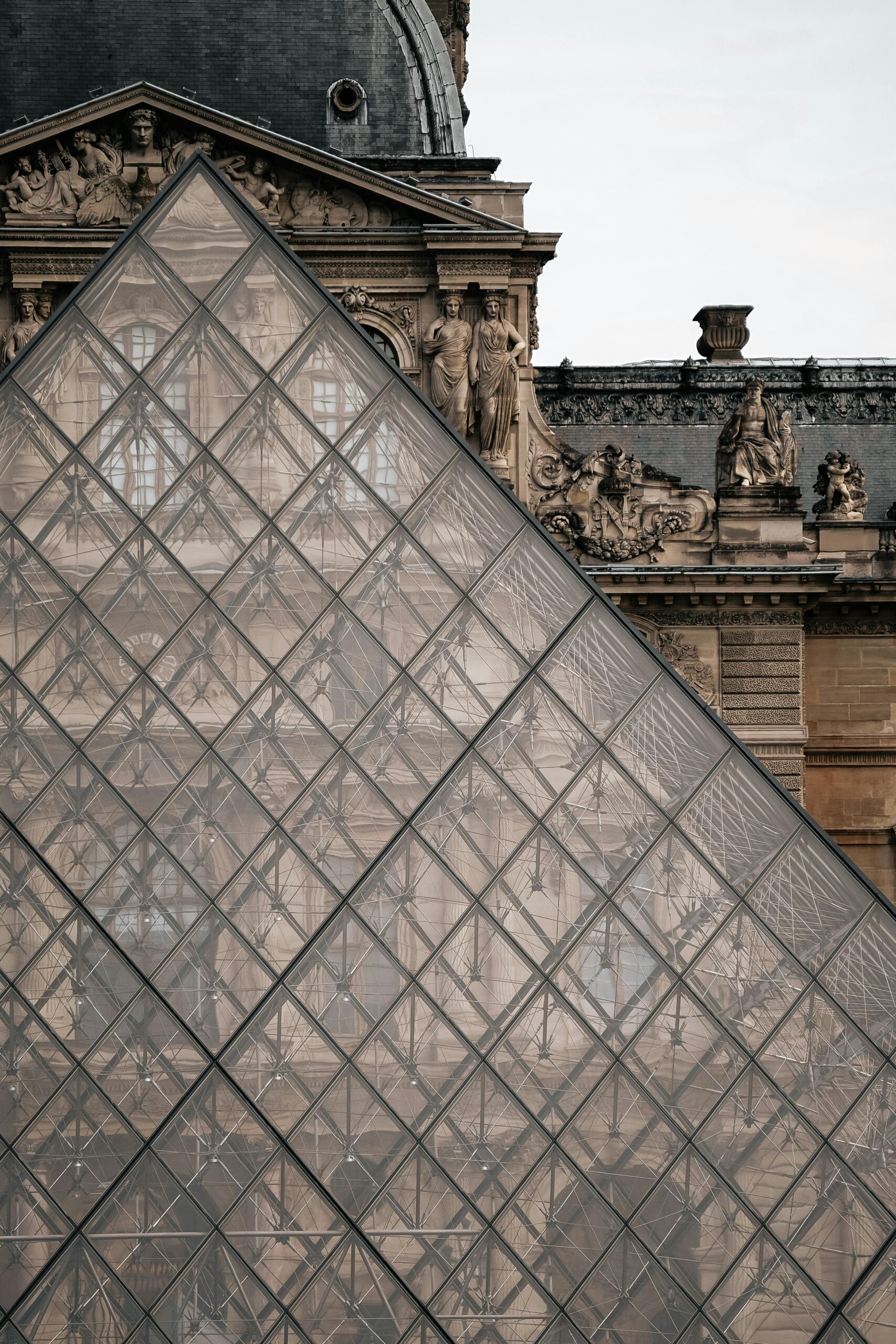
Housed in a former royal palace, the Louvre is one of the world’s largest and most visited art museums. Its pyramid entrance, designed by I.M. Pei, opens onto masterpieces spanning thousands of years – from Mesopotamian statues to Da Vinci’s most famous smile.
Yet the sheer scale and foot traffic can overwhelm. Rather than racing through galleries, I prefer guiding guests through smaller museums or hidden ateliers that reveal art on a human scale.
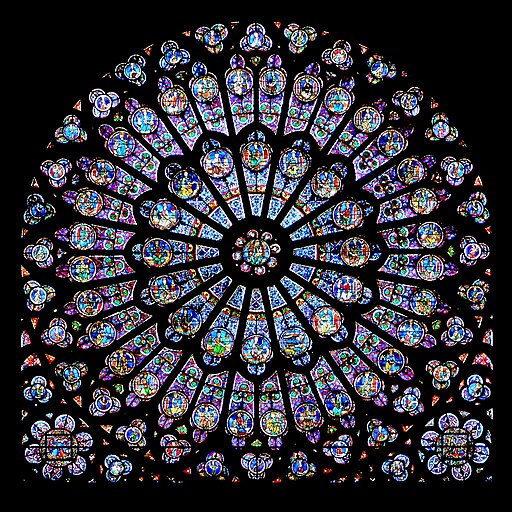
Notre-Dame Cathedral – A Gothic Masterpiece
Standing on the Île de la Cité since the 12th century, Notre-Dame is the spiritual heart of Paris. Its flying buttresses, rose windows, and sculpted façades embody the Gothic style at its peak. Even after the 2019 fire, its grandeur still inspires awe.
But with restoration ongoing and access limited, I lead visitors instead to lesser-known churches or peaceful cloisters – places of silence and sacred space beyond the crowds.
Arc de Triomphe – Monument to Military Glory
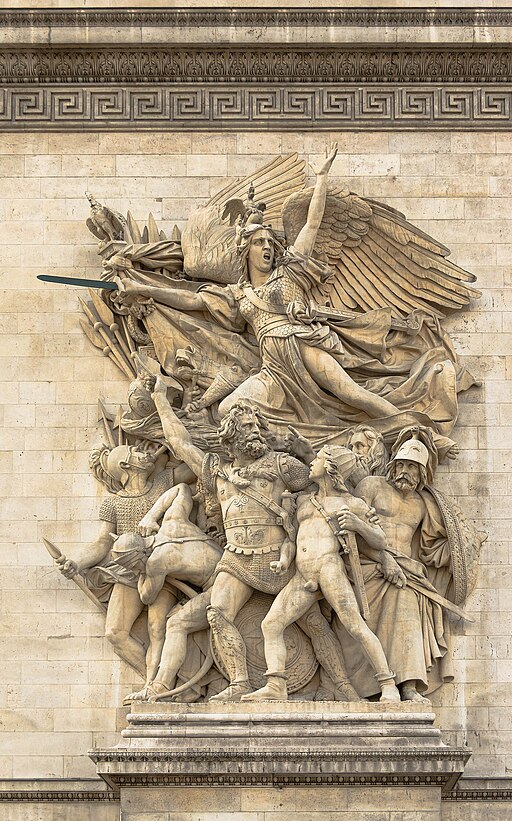
Commissioned by Napoleon in 1806, the Arc de Triomphe honors French soldiers and sits at the center of the Place de l’Étoile, where twelve grand avenues radiate outward. Its panoramic terrace offers striking views over the Champs-Élysées.
Yet the experience is often reduced to crossing a traffic circle and climbing in line. I prefer offering guests views that feel more intimate – rooftop spots, hidden terraces, or balconies with a story.
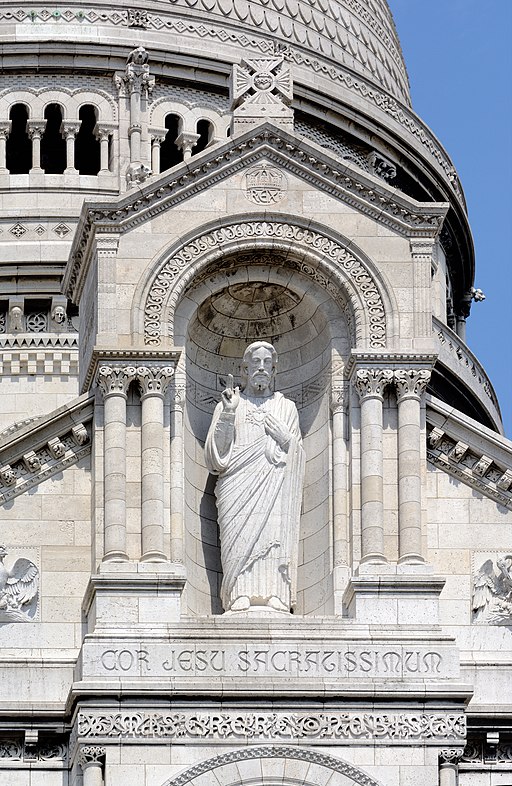
Sacré-Cœur Basilica – Montmartre’s White Crown
Perched atop the highest point in Paris, the Sacré-Cœur blends Romanesque curves with Byzantine domes. Its stark white silhouette glows day and night, drawing pilgrims and tourists alike to its steps and sweeping panoramas.
But Montmartre’s charm lies beyond the basilica – in quiet stairways, artist studios, and village-like streets. That’s where I take guests who want to feel Montmartre, not just photograph it.
Champs-Élysées – The Avenue of Spectacle
Once a royal promenade, today the Champs-Élysées is a bustling mix of flagship stores, cinemas, and crowds from all corners of the globe. It links two great Paris monuments: the Arc de Triomphe and Place de la Concorde.
But little remains of its former elegance. I invite guests instead to walk quieter, historic streets lined with true Parisian life – cafés, arcades, and timeless boutiques.
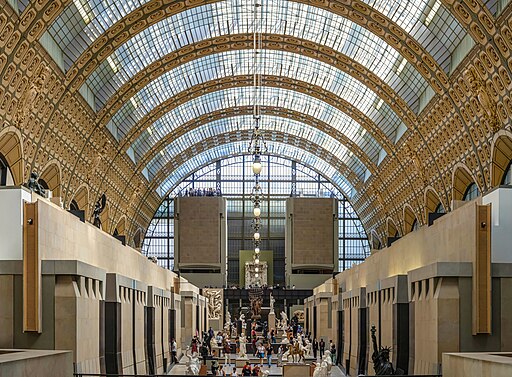
Musée d’Orsay – Impressionist Heaven
Housed in a converted Beaux-Arts train station, the Musée d’Orsay is a treasure trove of 19th-century art. Its vaulted glass roof and iconic clock windows frame masterpieces by Monet, Renoir, and Van Gogh.
It’s undeniably stunning – but also often packed. For guests seeking artistic emotion without elbowing through crowds, I propose lesser-known museums where beauty still whispers.
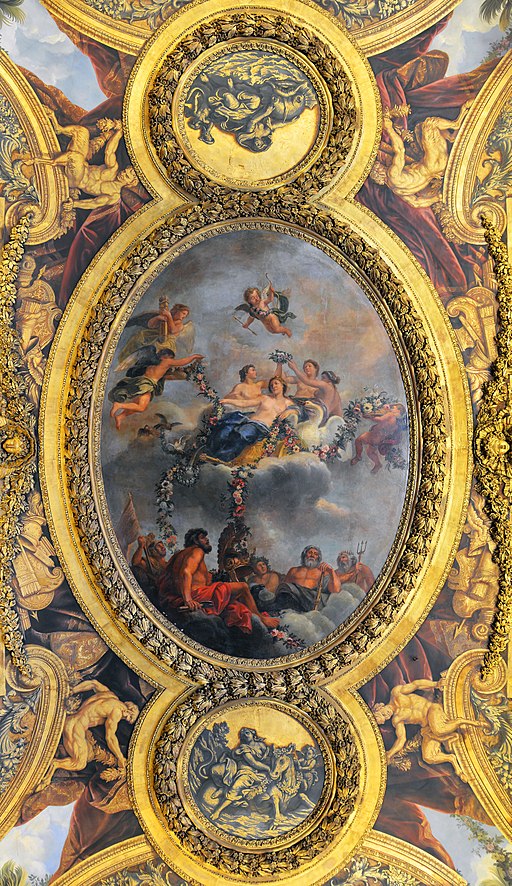
Palace of Versailles – Royal Power on Display
A short journey from Paris, Versailles dazzles with baroque excess: mirrored halls, sprawling gardens, and a history of absolute monarchy. Visiting can feel like stepping into a gilded chapter of French history.
But Versailles takes a full day and crowds follow every season. I offer alternatives: former mansions, private estates, or city palaces that tell Paris’s story without leaving town.
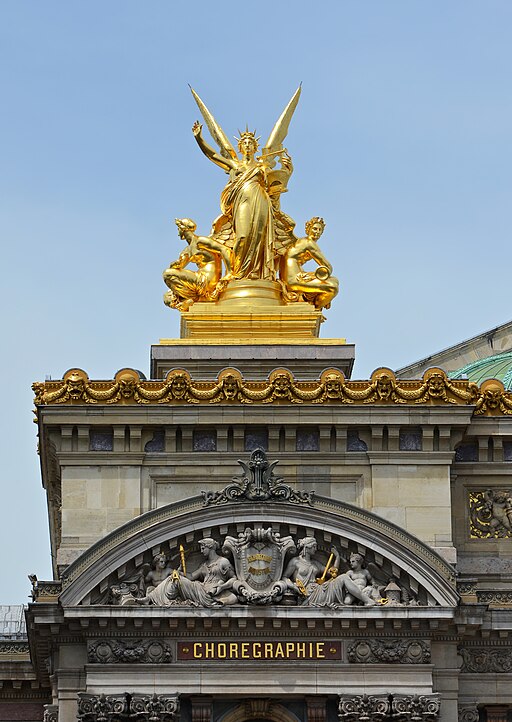
Opéra Garnier – The Belle Époque Jewel
Built under Napoleon III, the Palais Garnier is a temple of luxury. Its grand staircase, chandeliers, and painted ceiling by Chagall create a theatrical experience before any performance even begins.
Yet its glamour now serves mostly as a backdrop for Instagram. I prefer taking guests to smaller theatres, rehearsal spaces, or historic venues where Parisian creativity is still alive and tangible.
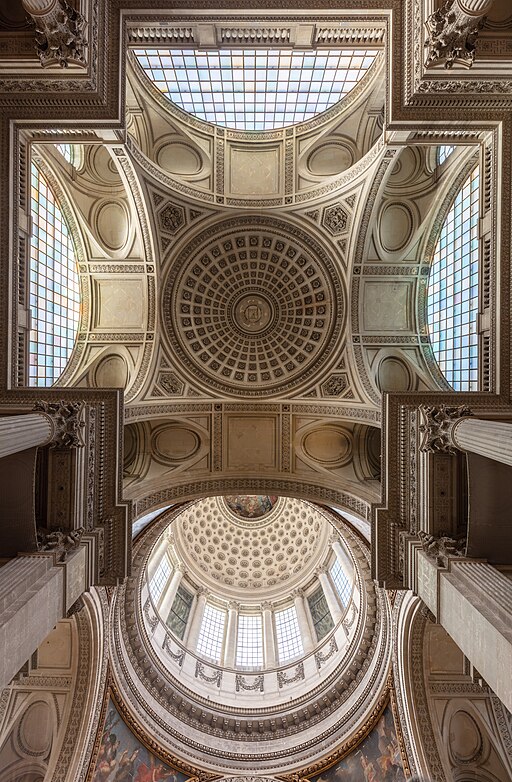
Panthéon – Monument to National Memory
This neoclassical giant towers over the Latin Quarter, housing the remains of great figures like Voltaire and Marie Curie. Its dome, columns, and frescoes speak to a vision of universalism and national pride.
But few visitors engage deeply here. Instead, I take guests to spaces that spark conversation – not reverence – from literary cafés to offbeat tributes to overlooked heroes.
Conclusion
These ten landmarks continue to shape how the world imagines Paris. They are powerful, beautiful, and unforgettable – but they are not the only story.
If you’ve already seen them, or wish to experience the city differently, I invite you to take another path. One designed around you, guided by conversation, curiosity, and quiet wonder.
Contact me to begin your private, tailor-made journey through a Paris few ever get to see.