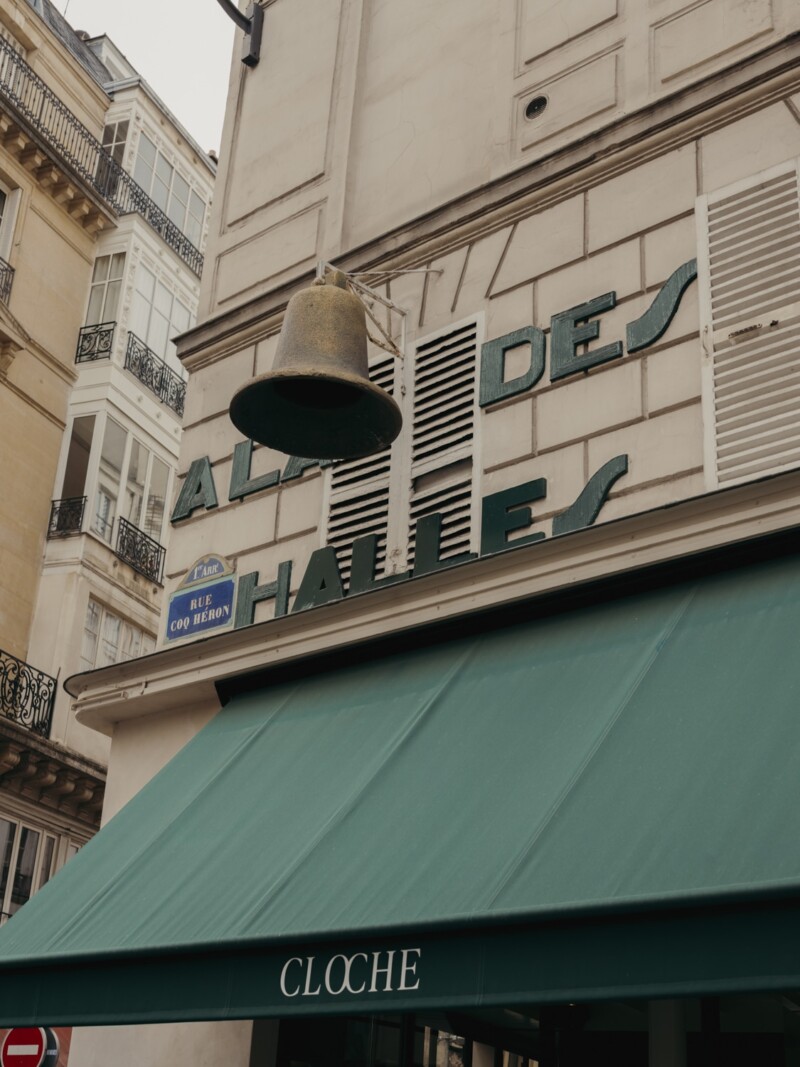

What four hours actually costs you
The journey to the Tower from central Paris takes twenty minutes. Then the queue to enter the grounds. Then another for the elevator. Security checks. The wait at the top, pressed against a railing with several hundred other people. The descent. The return.
For most visitors, the actual time spent with an unobstructed view of Paris from the Tower is under ten minutes. The rest is logistics.
That is not a complaint about the monument, it is extraordinary, and it will still be there next time. It is simply an honest accounting of time.
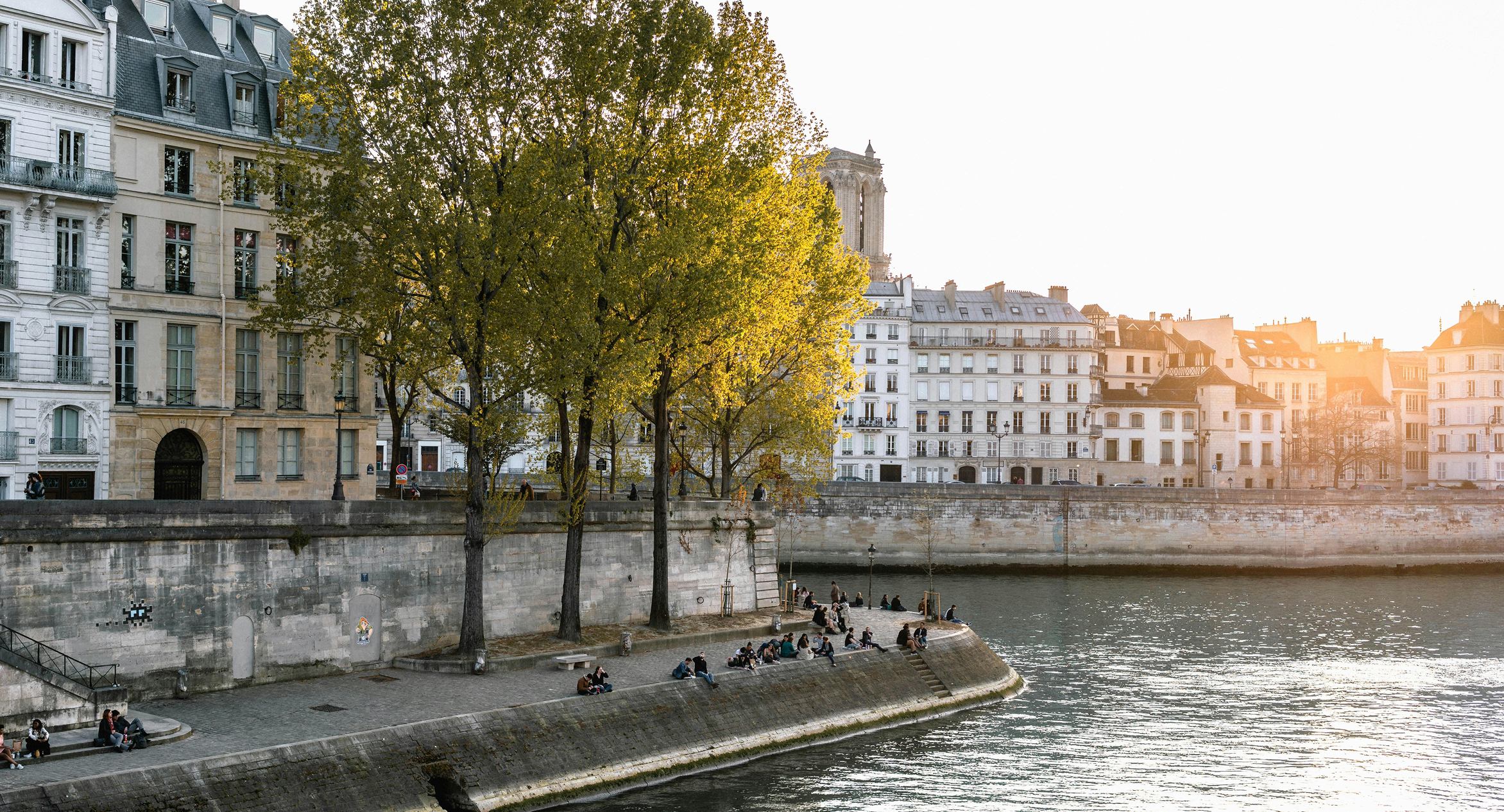
How to use four hours well
Choose one neighbourhood and stay in it
The instinct when time is short is to cover as much distance as possible. The result is a series of glimpses, the front of buildings, the outside of things, the impression of a city you haven’t quite entered.
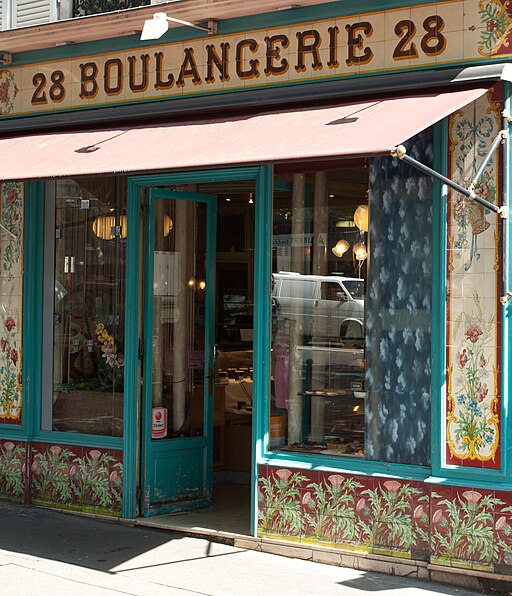
One neighbourhood, walked slowly, tells you more about Paris than four neighbourhoods rushed. The Marais on a Tuesday morning, for instance, before the galleries open, when the boulangeries are still warm and the courtyards belong to the people who live in them, is the city at its most legible.
Or the area around Rue du Cherche-Midi in the 6th, where a single street holds a century-old bread baker, a printmaker, two bookshops, and a café where the waiter will remember what you ordered if you come back the same afternoon. These are not attractions. They are encounters.
Go somewhere with a reason
A covered passage is worth an hour of anyone’s time. Galerie Vivienne, near the Palais Royal, is one of the finest, a 19th-century arcade of mosaic floors, glazed ceilings, and a wine merchant who has been operating from the same address since the passage was built. It is not on every itinerary. It is on the right ones.
The Palais Royal gardens themselves, hidden from the street behind an arch, offer twenty minutes of complete quiet in the middle of the first arrondissement. Colette walked here. Cocteau lived overlooking it. The arcades still house a handful of shops that have no interest in changing.

Have a coffee somewhere that deserves it
This is not a trivial suggestion. Where you sit for twenty minutes in Paris determines what you see, who you hear, and what you carry home. A terrace on a busy tourist street is one experience. A counter at a neighbourhood café on Rue de la Roquette or Rue Oberkampf, where the espresso is serious and nobody is looking at you, is another.
The difference is not difficult to find. It requires only the willingness to walk one street further than the first option.
What four hours in Paris is actually for
Not the monuments. Not the checklist. Not the photograph that proves you were there.
Four hours is for the quality of light at a specific hour in a specific place. For the conversation that starts because you stopped somewhere unexpected. For the discovery that Paris is not a museum you visit, it is a city you enter, briefly or otherwise, on its own terms.
If you want someone to make those four hours feel like the beginning of something rather than a compressed version of everything, that is precisely what a private experience with Re-Situ is built for.
→ More on how to approach Paris: Paris travel tips from a private guide
No two mornings are the same.